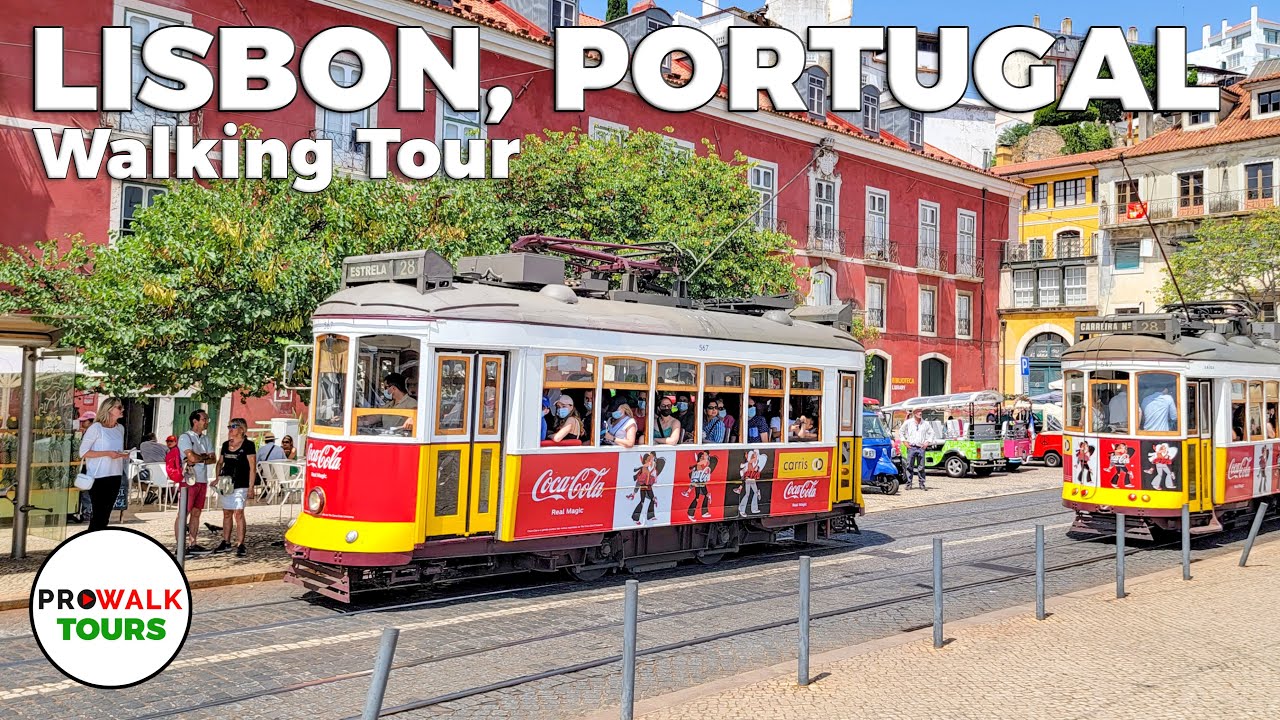


A first trip is Lisbon, a day in Sintra, then the train north to Porto and a night in the Douro. Add the Algarve if you want the coast, the Alentejo if you want the quiet, and give Madeira or the Azores a week of their own. The best windows are May to June and September.
5 Portugal city guides

Fun fact
Portugal and England have been formally allied since 1386, which makes it the oldest alliance still in force anywhere in the world.
Stereotypes, sorted out
The realityDifferent language, different food, and nine centuries as a separate state with borders that have barely moved since 1297. The two countries share a peninsula and very little else on the plate or in the ear.
The realityThe north is greener than the south because it is wetter, but the rain concentrates between October and March. Summers in Porto are dry, and in July the city is cooler than Lisbon and no wetter.
The realityIn Portugal port is as often an aperitif, usually white port long with tonic. What is actually on the table at dinner is Douro red, Alentejo red or a cold vinho verde.
The realityThe building is concentrated in the central stretch either side of Albufeira. West of Lagos the coast runs into protected park land, and east of Faro the Ria Formosa lagoon is a nature reserve of islands and channels.
The realityThe staged dinner version exists, but so do the fado vadio houses where anyone in the room can stand up and sing. The form is on the UNESCO intangible heritage list, and Lisbon and Coimbra sing two different kinds of it.
Cultural notes that actually help
- A coffee is a bica in Lisbon and a cimbalino in Porto. Ordering "um café" gets you a small strong espresso either way.
- Lunch starts around one and dinner rarely before eight. Kitchens off the tourist streets keep those hours strictly.
- The bread, olives and cheese that arrive unordered are the couvert, and they are charged for. Waving them away is completely normal.
- Portuguese is not Spanish, and opening in Spanish lands worse than opening in English. Bom dia and obrigado go a long way.
- Football allegiance is local and serious. Benfica, Porto and Sporting are a conversation, not small talk.
- Queues are formalised: take a numbered ticket in pharmacies, post offices and anywhere with a counter.
Famous Portuguese faces

Fernando Pessoa

José Saramago

Amália Rodrigues

Cristiano Ronaldo

Álvaro Siza Vieira

Egas Moniz

Eusébio

Rosa Mota

José Mourinho

Sophia de Mello Breyner Andresen

António Lobo Antunes

Mariza

Carlos do Carmo

Salvador Sobral

Maria João Pires

Joana Vasconcelos

Eduardo Souto de Moura

Maria de Sousa
Luís de Camões
Vasco da Gama
Paula Rego
Ferdinand Magellan
Henry the Navigator
Pedro Álvares Cabral
Pedro Nunes
Must-try Portuguese food

Bacalhau à Brás
Salt cod shredded through eggs, onion and matchstick potatoes, finished with olives.

Bacalhau à Gomes de Sá
Porto’s version: salt cod layered with potato and onion, then egg and olives on top.

Arroz de marisco
Soupy shellfish rice, ladled at the table from the pan it cooked in.

Polvo à lagareiro
Octopus roasted with smashed potatoes under a great deal of olive oil.

Amêijoas à Bulhão Pato
Clams opened in garlic, coriander and white wine. The bread is not optional.

Caldeirada
The fishermen's stew, layered and never stirred, so nothing falls apart.

Francesinha
Porto’s layered meat sandwich under melted cheese and a beer and tomato sauce.

Bifana
Thin pork steaks stewed in garlic and white wine, pushed into a soft roll.

Alheira
Bread-and-poultry sausage from Trás-os-Montes, invented in the Inquisition years.

Tripas à moda do Porto
Tripe and white beans, the dish that gave the city’s people their nickname.

Caldo verde
Kale shredded to threads through potato broth, with a coin of chouriço.

Peixinhos da horta
Green beans in a light batter, fried and eaten with a drink before the meal.

Queijo Serra da Estrela
Sheep’s cheese set with thistle instead of rennet, spooned out of its own crust.

Queijo de Azeitão
A small, soft sheep’s cheese from south of Lisbon, eaten the same way.

Pastel de nata
Custard tart with a scorched top and a shell that shatters. Cinnamon is contested.

Pastel de Tentúgal
Paper-thin pastry wound around egg cream, still made in the one town it is named after.

Bolo de mel
Madeira's dark molasses and spice cake, traditionally broken by hand, never cut.

Arroz de cabidela
Chicken rice finished with the bird’s blood and sharpened with vinegar.
Cozido à portuguesa
The national boiled dinner: meats, smoked sausage and vegetables out of one pot.
Arroz de pato
Duck rice baked until the top crisps, with sausage laid across it.
Sardinhas assadas
Charcoal-grilled sardines eaten off bread, the smell of every June street party.
Cataplana de marisco
Algarve shellfish steamed in a hinged copper pan that arrives at the table still shut.
Leitão da Bairrada
Suckling pig roasted whole for the crackling, eaten between Coimbra and Aveiro.
Açorda alentejana
Bread, garlic, coriander and a poached egg, assembled in the bowl with boiling water.
Sopa da pedra
Ribatejo’s stone soup, thick with beans and meat, and named after the story.
Canja
Chicken and rice broth, what the country makes for anyone who is unwell.
Pastéis de bacalhau
Salt cod and potato fritters, shaped between two spoons.
Presunto
Air-dried ham, at its best from Chaves in the north or Barrancos in the Alentejo.
Broa de milho
Dense corn bread with a thick crust, the loaf that soup and sardines are eaten with.
Travesseiros de Sintra
Almond cream folded into long pillows of puff pastry.
Ovos moles de Aveiro
Sweet egg yolk paste sealed inside wafer shells shaped like fish and barrels.
Espetada madeirense
Beef threaded onto a bay laurel skewer and grilled over wood.
Cozido das Furnas
Azorean stew buried in volcanic ground at São Miguel and left to cook underground.
Vinho verde
Young, light white from the Minho, with a faint prickle and a low alcohol level.
Port
Fortified Douro wine, drunk here as an aperitif as often as after dinner.
Madeira wine
Deliberately heated in the cask, so an open bottle keeps for years.
Ginjinha
Sour cherry liqueur poured into a small glass, with the cherry left in the bottom.