

First-timers should pair Rome and Florence with two nights in Venice; repeat visitors trade up for Naples, Bologna and the hill towns of Tuscany. The best windows are April–May and September–October, warm, lighter crowds, and easier to book than the August peak.
14 Italian city guides

Rome

Florence

Venice

Milan

Naples

Bologna

Palermo

Verona

Turin

Genoa

Siena

Lecce

Cagliari

Bari
Fun fact
Italy has only been one country since 1861, and it still governs like twenty. Five of its 20 regions, Sicily and Sardinia among them, hold special autonomy under the 1948 constitution, with powers over language, schools and tax. Cross a regional line and the food, dialect and pace change.
Stereotypes, sorted out
The realityPasta is usually the first course, not the whole plate. A full meal moves from antipasto to primo to secondo, and most people eat one course at lunch and go light at dinner.
The realityThere are twenty, and they do not blend. Butter and rice in the north, oil and tomato in the south, and a sauce named after a town is usually made only near it.
The realityNobody will stop you. Milk after a meal is simply not the habit here, so if you want to order the way the room does, ask for an espresso or a macchiato.
The realityThe high-speed trains are punctual and frequent, and they are the spine of any Italian trip. Museums and offices keep their own hours, which is a different problem: book ahead and check the closing day.
The realityNaples, Palermo, Bari and Lecce are where a lot of the best eating and the least queueing is. Watch your bag in crowds, as in any big city, and go.
Cultural notes that actually help
- Say buongiorno on the way into a shop or bar, and arrivederci on the way out.
- Coffee is a standing drink. Order at the bar, drink it there, and expect table service to be billed differently.
- The coperto on your bill is a per-person cover charge, not a tip and not a scam.
- Lunch runs roughly 1 to 3 and dinner rarely starts before 8. Kitchens close in between.
- Cover shoulders and knees for churches. The big basilicas turn people away at the door.
- Ferragosto, 15 August, empties the cities. Family-run places close for the week around it.
Famous Italian faces

Sophia Loren
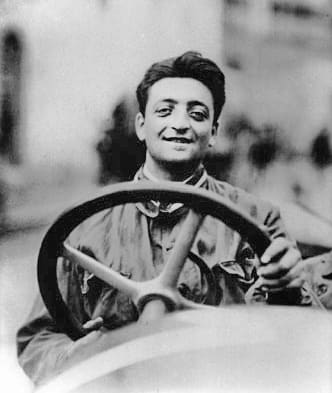
Enzo Ferrari

Maria Montessori

Alcide De Gasperi

Valentino Rossi

Gino Bartali

Roberto Baggio

Federica Pellegrini

Gian Lorenzo Bernini

Sandro Botticelli

Federico Fellini

Sergio Leone

Luciano Pavarotti

Ennio Morricone

Enrico Fermi

Rita Levi-Montalcini

Massimo Bottura

Carlo Petrini
Leonardo da Vinci
Dante Alighieri
Michelangelo
Galileo Galilei
Giuseppe Verdi
Giuseppe Garibaldi
Camillo Benso di Cavour
Sergio Mattarella
Caravaggio
Anna Magnani
Antonio Vivaldi
Guglielmo Marconi
Pellegrino Artusi
Must-try Italian food

Pasta al pomodoro
Tomato, basil and good oil. The baseline everything else is judged against.

Bruschetta
Grilled bread, raw garlic, oil, and whatever is ripe.

Tiramisù
Coffee, mascarpone and cocoa. Veneto's gift to every dessert menu.

Cacio e pepe
Pecorino and black pepper emulsified with pasta water. Three ingredients, no hiding.

Carbonara
Guanciale, egg and pecorino. No cream, ever.

Carciofi alla giudia
Artichokes pressed flat and fried crisp, from the Roman Ghetto.

Supplì
Fried rice croquette with a molten mozzarella centre.

Pizza napoletana
Wet in the middle, blistered at the rim, about 90 seconds in the oven.

Mozzarella di bufala
Buffalo milk mozzarella from the Campanian plain, eaten the day it is made.

Sfogliatella
Shell-shaped pastry in a hundred leaves, filled with sweet ricotta.

Bistecca alla fiorentina
Thick T-bone, rare, salt and oil and nothing else.

Ribollita
Bread and bean soup, reboiled the next day and better for it.

Pappa al pomodoro
Tomato and stale bread cooked to a purée. Peasant food, still on every menu.

Panzanella
Summer bread salad with tomato, onion and basil.

Parmigiano Reggiano
Aged cow's milk cheese, made only around Parma, Reggio and Modena.

Piadina
Romagna's flatbread, folded hot around squacquerone and rocket.

Risotto alla milanese
Saffron rice finished with butter and marrow.

Vitello tonnato
Cold sliced veal under a tuna and caper sauce. Piedmont's summer starter.

Pesto alla genovese
Basil, pine nuts, garlic and cheese pounded raw. Liguria's whole argument.

Polenta
Cornmeal, soft or grilled, the staple of the Alps and the Veneto.

Arancini
Fried rice balls, ragù in the east of Sicily and butter in the west.

Pasta alla Norma
Aubergine, tomato and salted ricotta, from Catania.

Cannoli
Shells fried in advance, filled with sheep's ricotta to order.

Caponata
Sweet and sour aubergine, served at room temperature.

Pane carasau
Sardinia's paper-thin flatbread, baked to keep for months.

Culurgiones
Sardinian parcels of potato, pecorino and mint, pleated by hand.

Espresso
Ordered at the bar, drunk standing, done in under a minute.

Aperol Spritz
Prosecco, bitter aperitivo and soda. Invented in the Veneto, drunk everywhere.

Negroni
Gin, vermouth and Campari in equal parts, first mixed in Florence.

Chianti Classico
Sangiovese grown between Florence and Siena, marked with a black rooster.

Barolo
Nebbiolo from the Langhe hills of Piedmont. Patient wine.

Limoncello
Amalfi lemon liqueur, served cold at the end of dinner.
Prosciutto crudo
Air-cured ham, sliced to order, from Parma or San Daniele.
Gelato
Denser and served warmer than ice cream, so the flavour hits harder.
Amatriciana
Guanciale, tomato and pecorino, named for the town of Amatrice.
Ragù napoletano
Meat and tomato cooked down for most of a Sunday.
Babà
Rum-soaked sponge, a Neapolitan institution.
Orecchiette con cime di rapa
Puglia's ear-shaped pasta with turnip tops, chilli and anchovy.
Tagliatelle al ragù
Bologna's slow meat sauce, on ribbons of egg pasta and never on spaghetti.
Tortellini in brodo
Filled pasta in clear capon broth. The Sunday version, not the cream one.
Aceto balsamico tradizionale
Modena vinegar aged through a series of casks for years.
Cotoletta alla milanese
Bone-in veal, breaded and fried in butter.
Focaccia genovese
Dimpled, salty and oily, best warm from the bakery.


