Don't be a tourist, be a traveler, world in motion
Plan a trip
Live destination map
◆ Country guide · East Asia

Top 10s across Japan

From Tokyo and Kyoto to Osaka, Kanazawa and Naoshima, Japan city by city, each one distilled to ten things worth your time, mapped and filmed.

13
Cities
47
Prefectures
4
Video guides
Region
Best months
Mar · May · Oct
Ideal length
10–14 days
Budget / day
$120–200
Language
Japanese
Getting around
Shinkansen & IC card

When to visit Japan

Best months balance weather, color and crowds.
Full month guide →
Jan
Feb
Mar
Apr
May
Jun
Jul
Aug
Sep
Oct
Nov
Dec
Best, mild and clear, ahead of the crowd Peak, blossom and autumn colour (book months ahead) Good (Jan and Feb are powder season in Hokkaido) Off, the June rains then August heat
Quick answer · where to go in Japan

First-timers should pair Tokyo and Kyoto with a day in Osaka or Hakone; repeat visitors trade up for Kanazawa, Naoshima and the Japan Alps. The best windows are late March–April for cherry blossom and October–November for autumn color, both worth booking months ahead.

13 Japanese city guides

Sorted by what travelers are saving this month.

Fun fact

One number worth knowing

Japan counted 6,852 islands for 36 years, from a 1987 Japan Coast Guard survey. A 2023 recount from digital maps, using the same rule of a natural coastline 100 metres or longer, found 14,125. Nothing rose from the sea: sharper imagery split coastlines that older maps had read as one landmass.

Stereotypes, sorted out

The clichés you have heard, what is actually true, and how to fit in.
"Japan is punishingly expensive"

The realityThe flights and the rail are what cost. Eating is some of the best value in any rich country: a bowl of ramen, a set lunch or a convenience-store breakfast runs to a few dollars, and the quality floor is high everywhere.

"Nobody speaks English"

The realityStations, signage and ticket machines on the main routes are bilingual, and staff at big stations are used to visitors. Conversational English is rarer once you leave the cities, which a translation app handles.

"The whole country is neon and skyscrapers"

The realityMost of Japan is mountains, rice terraces and small timber towns. Twenty minutes on a local line out of Kyoto puts you in farmland, and two thirds of the land is forested.

"You will offend someone by getting the etiquette wrong"

The realityVisitors are given wide latitude and nobody expects a bow at the right angle. Two habits cover almost everything: take your shoes off wherever the floor level changes, and keep your voice down on trains.

"Tipping is an insult"

The realityIt is not an insult, it is simply not done. Leave money on the table and someone will chase you down the street to return it. Service is included in the price and the standard does not move.

A bullet train leaving to the secondCherry blossom under a full canopyA lit vending machine on an empty streetNeon reflected in wet Shinjuku pavementBowing, then bowing againPlastic food in a restaurant windowA salaryman asleep on the last train

Cultural notes that actually help

  • Shoes come off wherever the floor level changes: homes, ryokan, temple halls and some restaurants. Slippers are usually waiting.
  • Trains are quiet by default. Phone calls are not made on board, and headphones stay low.
  • An IC card (Suica in Tokyo, ICOCA in Kansai) taps you through almost every urban train, bus and convenience store. Carry some cash for small towns and shrines.
  • At an onsen you wash and rinse at the taps first, then get into the bath with no swimwear. Many baths still turn away visible tattoos, so check before you go.
  • Public bins are rare. Carry your rubbish until you find one, usually beside a vending machine or inside a convenience store.
  • Stand on the left of an escalator in Tokyo and on the right in Osaka. Getting it wrong is the most visible mistake a visitor makes and the least important.

Famous Japanese faces
The names behind Japan’s cinema, literature, art, music, sport, science, design and food. Pick a field.
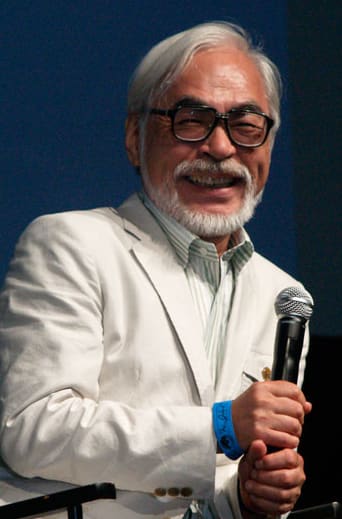
Hayao Miyazaki, Japan (portrait via Wikimedia Commons)

Hayao Miyazaki

Co-founded Studio Ghibli, directed Spirited Away
Akira Kurosawa, Japan (portrait via Wikimedia Commons)

Akira Kurosawa

Director of Rashomon and Seven Samurai
Haruki Murakami, Japan (portrait via Wikimedia Commons)

Haruki Murakami

Novelist, Norwegian Wood and Kafka on the Shore
Yayoi Kusama, Japan (portrait via Wikimedia Commons)

Yayoi Kusama

Artist of the polka dot and the infinity room
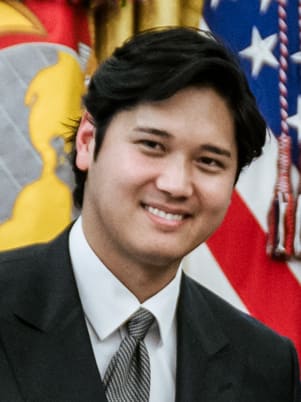
Shohei Ohtani, Japan (portrait via Wikimedia Commons)

Shohei Ohtani

Baseball player who pitches and hits at the top of the game
Ryuichi Sakamoto, Japan (portrait via Wikimedia Commons)

Ryuichi Sakamoto

Composer, Yellow Magic Orchestra and The Last Emperor
Tadao Ando, Japan (portrait via Wikimedia Commons)

Tadao Ando

Self-taught architect of concrete and light, Pritzker laureate
Toshiro Mifune, Japan (portrait via Wikimedia Commons)

Toshiro Mifune

Actor at the centre of sixteen Kurosawa films
Hirokazu Kore-eda, Japan (portrait via Wikimedia Commons)

Hirokazu Kore-eda

Director of Shoplifters, Palme d’Or 2018
Takeshi Kitano, Japan (portrait via Wikimedia Commons)

Takeshi Kitano

Comedian turned director of Hana-bi and Sonatine
Ryusuke Hamaguchi, Japan (portrait via Wikimedia Commons)

Ryusuke Hamaguchi

Director of Drive My Car
Yasujiro Ozu, Japan (portrait via Wikimedia Commons)

Yasujiro Ozu

Director of Tokyo Story, filmed from floor height
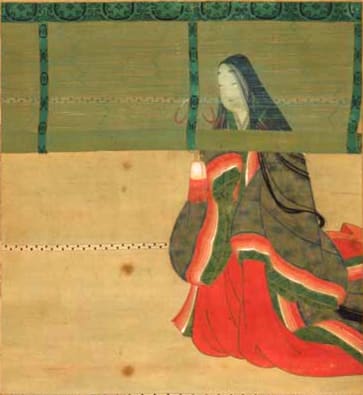
Murasaki Shikibu, Japan (portrait via Wikimedia Commons)

Murasaki Shikibu

Wrote The Tale of Genji in Heian-era Kyoto
Sei Shonagon, Japan (portrait via Wikimedia Commons)

Sei Shonagon

Wrote The Pillow Book at the same court
Yasunari Kawabata, Japan (portrait via Wikimedia Commons)

Yasunari Kawabata

Nobel laureate in Literature, Snow Country
Kenzaburo Oe, Japan (portrait via Wikimedia Commons)

Kenzaburo Oe

Nobel laureate in Literature, A Personal Matter
Banana Yoshimoto, Japan (portrait via Wikimedia Commons)

Banana Yoshimoto

Novelist, Kitchen
Utagawa Hiroshige, Japan (portrait via Wikimedia Commons)

Utagawa Hiroshige

Printmaker of the Fifty-three Stations of the Tokaido
Takashi Murakami, Japan (portrait via Wikimedia Commons)

Takashi Murakami

Artist behind Superflat
Yoshitomo Nara, Japan (portrait via Wikimedia Commons)

Yoshitomo Nara

Painter of the wide-eyed, unimpressed child
Joe Hisaishi, Japan (portrait via Wikimedia Commons)

Joe Hisaishi

Composer of the Ghibli scores
Hikaru Utada, Japan (portrait via Wikimedia Commons)

Hikaru Utada

Singer-songwriter, First Love
Seiji Ozawa, Japan (portrait via Wikimedia Commons)

Seiji Ozawa

Conductor who led the Boston Symphony for 29 years
Naomi Osaka, Japan (portrait via Wikimedia Commons)

Naomi Osaka

Tennis player, four Grand Slam singles titles
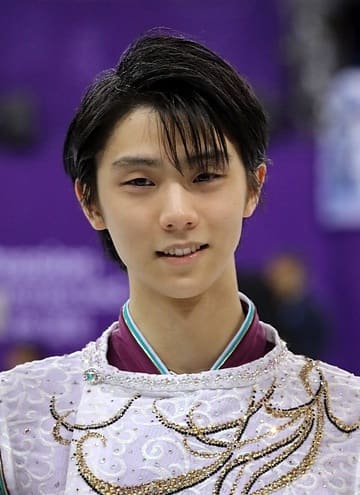
Yuzuru Hanyu, Japan (portrait via Wikimedia Commons)

Yuzuru Hanyu

Figure skater, back-to-back Olympic gold
Ichiro Suzuki, Japan (portrait via Wikimedia Commons)

Ichiro Suzuki

Outfielder who hit a record 262 in a single season
Hideki Yukawa, Japan (portrait via Wikimedia Commons)

Hideki Yukawa

Physicist, Japan’s first Nobel laureate
Shinya Yamanaka, Japan (portrait via Wikimedia Commons)

Shinya Yamanaka

Nobel laureate for induced pluripotent stem cells
Katsuko Saruhashi, Japan (portrait via Wikimedia Commons)

Katsuko Saruhashi

Geochemist who traced fallout across the Pacific
Issey Miyake, Japan (portrait via Wikimedia Commons)

Issey Miyake

Designer of the pleat, and of clothes made from one cloth
Yohji Yamamoto, Japan (portrait via Wikimedia Commons)

Yohji Yamamoto

Designer who dressed a generation in black
Jiro Ono, Japan (portrait via Wikimedia Commons)

Jiro Ono

Sushi chef of Sukiyabashi Jiro
Nobu Matsuhisa, Japan (portrait via Wikimedia Commons)

Nobu Matsuhisa

Chef who took Japanese-Peruvian cooking worldwide
Katsushika Hokusai

Katsushika Hokusai

Printmaker behind The Great Wave off Kanagawa
Matsuo Basho

Matsuo Basho

Poet who walked the north and wrote The Narrow Road
Rei Kawakubo

Rei Kawakubo

Founded Comme des Garcons

Must-try Japanese food

The classics, then what each region is known for. Pick a category.
Nigiri sushi, Japan (Wimup)

Nigiri sushi

Fish on a small press of vinegared rice, eaten in one go, ideally at a counter.

Sashimi, Japan (Wimup)

Sashimi

No rice, no cooking, nowhere to hide. The cut matters as much as the fish.

Tempura, Japan (Wimup)

Tempura

Batter thin enough to hear. Order it piece by piece at the counter.

Tonkatsu, Japan (Wimup)

Tonkatsu

Breaded pork cutlet, shredded cabbage, rice. The comfort standard.

Yakitori, Japan dish (Wimup)

Yakitori

Chicken on skewers over charcoal, salted or glazed. Every part of the bird.

Karaage, Japan dish (Wimup)

Karaage

Marinated fried chicken, crisp and juicy, the default with a beer.

Gyoza, Japan dish (Wimup)

Gyoza

Pan-fried dumplings with a lacy crisp base, best beside a bowl of ramen.

Katsudon, Japan (Wimup)

Katsudon

Cutlet, egg and onion simmered over rice. One bowl, no decisions.

Shoyu ramen, Japan (Wimup)

Shoyu ramen

The Tokyo original: clear soy-based broth, curled noodles, a slice of pork.

Soba, Japan (Wimup)

Soba

Buckwheat noodles, hot in broth or cold on a bamboo mat with dipping sauce.

Udon, Japan (Wimup)

Udon

Thick wheat noodles with a chew. Sanuki udon from Kagawa is the benchmark.

Monjayaki, Japan (Wimup)

Monjayaki

Tokyo’s looser cousin to okonomiyaki, scraped off the griddle with a tiny spatula.

Chanko nabe, Japan (Wimup)

Chanko nabe

The sumo stable hotpot, eaten in Ryogoku where the wrestlers live.

Okonomiyaki, Japan (Wimup)

Okonomiyaki

Osaka’s cabbage-heavy savoury pancake, sauce and bonito flakes on top.

Takoyaki, Japan (Wimup)

Takoyaki

Octopus batter balls, molten inside. Wait longer than you want to.

Kushikatsu, Japan (Wimup)

Kushikatsu

Deep-fried skewers from Shinsekai. One dip in the shared sauce, never two.

Kaiseki, Japan dish (Wimup)

Kaiseki

Kyoto’s seasonal tasting menu, built around what is at its peak this fortnight.

Yudofu, Japan (Wimup)

Yudofu

Tofu simmered in hot water, eaten near the temples of northwest Kyoto.

Jingisukan, Japan (Wimup)

Jingisukan

Sapporo lamb grilled on a domed iron plate, named after Genghis Khan.

Motsunabe, Japan (Wimup)

Motsunabe

Fukuoka offal hotpot with garlic, chives and cabbage.

Okinawa soba, Japan (Wimup)

Okinawa soba

Wheat noodles in pork broth, topped with stewed belly. Not soba at all.

Hoba miso, Japan (Wimup)

Hoba miso

Takayama miso and mountain vegetables grilled on a magnolia leaf.

Matcha, Japan (Wimup)

Matcha

Whisked powdered green tea. Uji, south of Kyoto, is where the good leaf grows.

Daifuku, Japan (Wimup)

Daifuku

Pounded rice cake around sweet bean paste, sometimes a whole strawberry.

Dorayaki, Japan (Wimup)

Dorayaki

Two small pancakes with red bean between them.

Taiyaki, Japan (Wimup)

Taiyaki

Fish-shaped batter cake filled with bean paste or custard, eaten walking.

Kakigori, Japan (Wimup)

Kakigori

Shaved ice so fine it collapses. A summer institution, not a snow cone.

Warabimochi, Japan (Wimup)

Warabimochi

Bracken-starch jelly dusted with roasted soybean flour.

Sake, Japan (Wimup)

Sake

Brewed from rice. Ask for junmai to taste it dry, and try it cold.

Shochu, Japan (Wimup)

Shochu

Distilled from barley, sweet potato or rice. Kyushu is its heartland.

Umeshu, Japan (Wimup)

Umeshu

Green plums steeped in spirit and sugar. Sweet, and dangerous over ice.

Unagi kabayaki

Freshwater eel grilled and lacquered with a sweet soy glaze.

Tonkotsu ramen

Fukuoka style, pork bones boiled to opacity, thin straight noodles.

Miso ramen

Sapporo’s answer to a Hokkaido winter: fat, corn, butter and miso.

Tsukemen

Noodles and broth served apart. The broth is concentrated on purpose.

Tamago sando

Convenience-store egg sandwich on crustless milk bread. Far better than it should be.

Edomae anago

Sea eel from Tokyo Bay, steamed then grilled, softer than unagi.

Obanzai

Kyoto home cooking, small vegetable dishes served side by side.

Kaisendon

Hokkaido seafood bowl: crab, scallop, uni and salmon roe over rice.

Hiroshima okonomiyaki

Built in layers, with a nest of fried noodles inside.

Goya champuru

Okinawan stir-fry of bitter melon, tofu, egg and pork.

Japanese whisky

Built on the Scottish model since the 1920s, now scarce and sought after.

Highball

Whisky and soda, very cold, poured everywhere from izakaya to vending machine.
Know before you go

The essentials for planning a Japan trip.
Language

Japanese

Bilingual signage covers stations, airports and the main sights. Outside them, a translation app does the work.

Power

100V · Type A

Two flat prongs, and the lowest mains voltage in the world. The grid runs at 50Hz east of the Alps and 60Hz west of them, which matters to appliances and not to a phone charger.

Emergency

110 police · 119 fire

Dial 119 for fire and ambulance, 110 for police. Both are free from any phone, anywhere in the country.

Visa

90 days, visa-free

Japan waives the short-stay visa for 74 countries and regions, at 90 days for most of them. Check the ministry list for your passport.

Getting around

Shinkansen

High-speed rail links Tokyo, Kyoto, Osaka, Hiroshima and Fukuoka on one spine, and reaches Kanazawa and Sapporo on its northern branches. Reserve a seat in blossom and autumn season.

Money

Cards, plus cash

Cities are close to cashless, but shrines, small counters and rural buses still want yen. Convenience-store ATMs take foreign cards around the clock.

Tipping

Not done

Nowhere, for anything. Service is in the price, and money left behind only causes confusion.

Tourism board

Official site

Japan’s national tourism office: trip planning, regional guides and seasonal events.

Japan travel FAQ

How many days do you need in Japan?+
Ten to fourteen for a first trip: four or five in Tokyo, three in Kyoto, then one of Osaka, Hakone or Kanazawa. The Shinkansen makes a two-base trip easy, and trying for more cities than that spends the holiday on platforms.
When is the best time to visit Japan?+
Late March into April for cherry blossom and late October into November for autumn colour, both of which need booking months ahead. May and early October give you the same weather with far fewer people. June is the rainy season and August is hot and humid.
Is the Japan Rail Pass worth buying?+
Only on a long multi-city loop. Since the 2023 price rise a straightforward Tokyo, Kyoto and Osaka trip usually costs less on single tickets. Price your actual route both ways before you buy, and remember the pass does not cover the fastest Nozomi trains.
Do you need to speak Japanese?+
No. Signage, ticket machines and station announcements on the main routes are bilingual, and a phone camera translates a menu in seconds. A few words of greeting still change the temperature of an exchange.
Should you start with Tokyo or Kyoto?+
Tokyo, and give it the jet lag. It absorbs a disoriented first two days better than anywhere, and arriving in Kyoto after it makes the shift in pace land. On a second trip, reverse it and fly into Osaka.

Japan on Wimup Videos

City vlogs to watch before you book.
YouTube ↗
1:20:07

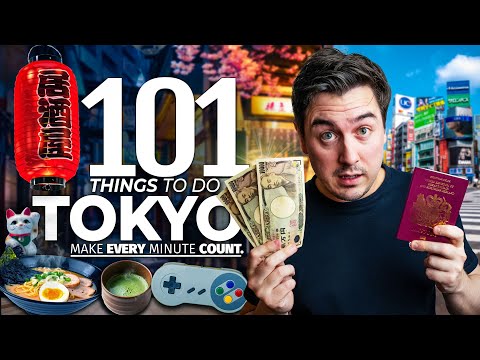
Tokyo: 101 Things to Do

2.3M views
1:35:44

Kyoto Temple Route

18K views
1:14:10

Osaka on Foot

633K views
13:40

Hokkaido Powder

4.1M views

Planning a Japan trip?

One fully-researched Japanese city (ranked, mapped and paired with video) in your inbox every Thursday.

Photo credits (63)