


Open in Rio de Janeiro, then pick one more region and commit to it. North for Salvador and the Bahian coast, where the food and the music are strongest. West for the Pantanal and the clear rivers around Bonito, where the wildlife is. Manaus or Belém for the Amazon, each a leg of its own. South for the falls at Foz do Iguaçu. Distances are continental, so fly between regions and travel slowly inside them.
3 Brazil city guides
Fun fact
Brazil borders every South American country except Chile and Ecuador. Counting French Guiana that is ten land neighbours, more than any other country in the Americas.
Stereotypes, sorted out
The realityCarnival is five days a year and the coast is a thin strip of a very wide map. Inland sit the colonial gold towns of Minas Gerais, the world’s largest tropical wetland in the Pantanal, a purpose-built modernist capital, and a southern wine country with cold winters.
The realityPortuguese, and it is the only Portuguese-speaking country in the Americas. Spanish earns goodwill and very little comprehension. Learn bom dia, obrigado and quanto custa before you land.
The realityRisk in Brazil is a question of neighbourhood, and it changes by the hour and the street. Carry little, book a ride app after dark, and ask your hotel which blocks to avoid. That advice is most of the work.
The realityBrazil covers more than eight and a half million square kilometres and holds four time zones. Two weeks buys you one region done properly, plus the flights either side.
The realityManaus, the usual gateway, is a long flight from the southeast, and the lodges are hours further by boat. The rainforest is a leg of its own, and it rewards the days you give it.
Cultural notes that actually help
- Greetings are physical. Handshakes turn into embraces, cheek kisses are standard, and the number of kisses changes by region, so follow whoever moves first.
- Punctuality is elastic socially and firm professionally. Turning up well after the stated hour for dinner is normal. A meeting is not.
- Pix, the instant bank transfer built by the central bank, now runs day-to-day payments. Cards are widely taken, and cash matters most in small towns and at markets.
- A ten percent service charge appears on most restaurant bills. It is customary, though not compulsory, and it is usually the whole tip.
- Sunday belongs to the beach and the family lunch. Cities thin out, and plenty of shops stay shut.
- Do not photograph inside a favela without a guide who lives there and has asked on your behalf.
- Portuguese first, always. Even a few words shift a conversation, and English is far less common outside hotels and airports than visitors expect.
Famous Brazilian faces
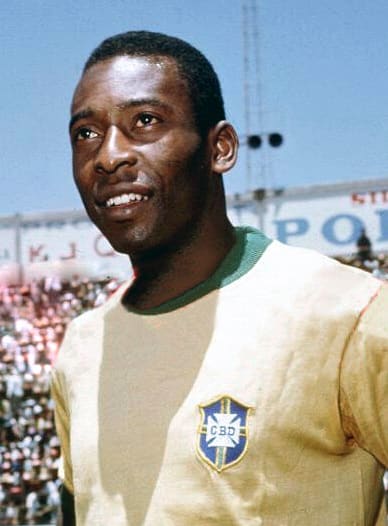
Pelé

Ayrton Senna

Oscar Niemeyer

Antônio Carlos Jobim

Marta

Machado de Assis

Sebastião Salgado

Garrincha

Zico

Sócrates

Ronaldo

Ronaldinho

Neymar

Emerson Fittipaldi

Gustavo Kuerten

Rebeca Andrade
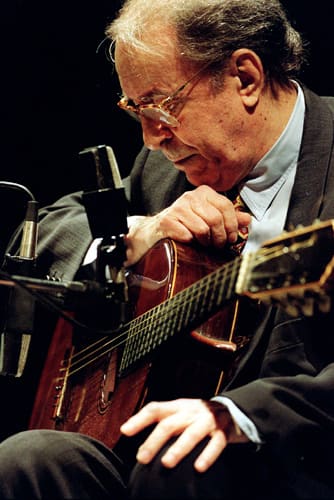
João Gilberto

Gilberto Gil

Caetano Veloso

Chico Buarque

Elis Regina

Carmen Miranda

Anitta

Jorge Amado

Carlos Drummond de Andrade

Paulo Coelho

Fernanda Montenegro

Walter Salles

Fernanda Torres

Glauber Rocha

Tarsila do Amaral

Roberto Burle Marx

Alberto Santos-Dumont
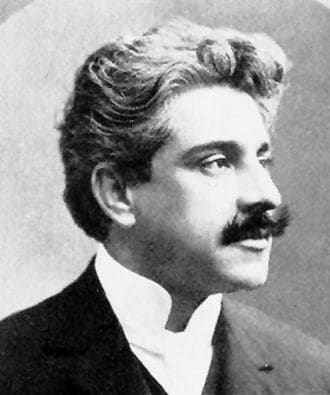
Oswaldo Cruz
Clarice Lispector
Milton Nascimento
Lygia Clark
Hélio Oiticica
César Lattes
Must-try Brazilian food

Feijoada
Black beans and salted, smoked pork, with rice, greens and orange. A Saturday lunch dish.

Farofa
Toasted cassava flour, often fried with bacon and egg, scattered over a plate for crunch.

Pão de queijo
Cassava-starch cheese rolls, hollow and elastic. Baked all morning in Minas.

Feijão tropeiro
Mule-driver beans fried with cassava flour, sausage, egg and collard greens.

Moqueca baiana
Fish stewed in coconut milk, dendê palm oil and peppers, in a clay pot.

Acarajé
Black-eyed pea fritters fried in dendê and filled with vatapá, sold by Bahia’s baianas.

Vatapá
Bread, shrimp, peanuts and coconut milk cooked to a thick paste. Acarajé’s filling.

Baião de dois
Rice and black-eyed peas with coalho cheese and dried beef. The northeast in one pan.

Carne de sol
Salted, air-dried beef, grilled and served with butter beans and cassava. Sertão cooking.

Tapioca
Cassava starch set in a hot pan into a soft crêpe, filled sweet or savoury, for breakfast.

Cuscuz nordestino
Steamed cornmeal for breakfast with butter, cheese or eggs. Not the North African kind.

Tacacá
Tucupi broth with dried shrimp and jambu, a leaf that numbs the mouth. Belém street food.

Pato no tucupi
Duck poached in tucupi, the fermented juice of wild cassava. Belém’s festival dish.

Pirarucu
One of the world’s largest freshwater fish, salted, dried and shredded into stews.

Churrasco
Beef, sausage and chicken hearts on skewers over coals, carved at the table, gaúcho style.

Barreado
Beef slow-cooked overnight in a sealed clay pot on the Paraná coast. Eaten with banana.

Coxinha
Shredded chicken in a teardrop of dough, breaded and fried. The default snack.

Pastel
A thin fried pastry filled with cheese or beef. Market food, taken with sugarcane juice.

Pão na chapa
White bread split, buttered and pressed on the griddle. Breakfast at any padaria counter.

Pudim de leite
Condensed-milk flan under dark caramel, kept on every lanchonete counter.

Caipirinha
Cachaça, lime and sugar muddled over ice. The national drink, built on sugarcane spirit.

Guaraná
Soda made from an Amazonian berry, and the local answer to cola.
Arroz e feijão
Rice and beans, at almost every lunch in the country. The base of every plate.
Picanha
The rump cap, salted heavily and grilled over coals. The cut a churrasco is judged on.
Frango com quiabo
Chicken stewed with okra over angu, a soft cornmeal. The Sunday plate in Minas Gerais.
Açaí
In the Amazon, thick, unsweetened and eaten with fish. The sweet frozen bowl is southern.
Brigadeiro
Condensed milk and cocoa cooked down, rolled in sprinkles. At every birthday party.
Quindim
Baked custard of egg yolk, sugar and coconut. Portuguese origin, Brazilian execution.
Romeu e Julieta
Guava paste with fresh white cheese. Two ingredients, and no notes.
Cafezinho
A small, strong, sweet coffee, offered constantly and refused rarely.
Chimarrão
Hot yerba mate through a metal straw from a shared gourd, across Rio Grande do Sul.
