Don't be a tourist, be a traveler, world in motion
◆ Country guide · Southern Europe

Top 10s across Spain

Four distinct kitchens, eight centuries of layered architecture and a rail network that puts most of it within a morning of Madrid. Spain rewards going slowly in one region rather than fast through five.

6
City guides
49,128,297
People
3
Video guides
Live destination map
AllMadridCataloniaAndalusiaBasque CountryValencian CommunityCastile and LeónGalicia
Best months
Apr · May · Sep
Ideal length
10–14 days
Budget / day
$120–190
Language
Spanish, plus Catalan, Basque and Galician
Getting around
Renfe AVE & metro
Region Theme Budget Best month Trip length 6 guides
Grid Map
Quick answer · where to go in Spain

A first trip is Madrid and Barcelona with the AVE between them, then one region chosen properly: Andalusia for Seville, Granada and the Moorish south, or the Basque coast for San Sebastián and Bilbao. Repeat visitors trade up for Galicia, Asturias and the Castilian cathedral towns. The best windows are April to June and September to October, warm enough for the coast and bearable inland.

6 Spain city guides

Sorted by what travelers are saving this month.

Fun fact

One number worth knowing

Spain runs the longest high-speed rail network in Europe, close to 4,000 kilometres of it, and the second longest anywhere after China.

Stereotypes, sorted out

The clichés you have heard, what is actually true, and how to fit in.
"Everyone takes a siesta"

The realityShops in small towns still shut through the hottest hours, but a Madrid office worker is not asleep at three. The long midday break exists because the working day runs late, not because the country naps.

"Spanish food means paella and sangría"

The realityPaella is Valencian, eaten at lunch rather than dinner, and sangría is mostly poured for tourists. What Spaniards actually order is vermut before lunch, wine with it, and whatever the region cures, grills or fries.

"Flamenco is the national dance"

The realityFlamenco is Andalusian, grown out of the Roma communities of Seville, Jerez and Cádiz. Galicia has bagpipes, Catalonia has the sardana, and the Basque Country has its own dances entirely.

"Spain is one culture speaking one language"

The realityCastilian is the state language, but Catalan, Basque and Galician are co-official where they are spoken, and Basque is related to no other language in Europe. Regional identity here is the main event, not a footnote.

"Bullfighting happens everywhere"

The realityThe Canary Islands outlawed it in 1991 under an animal protection law and no bullfight has been held there since. Interest varies enormously by region, and plenty of Spaniards have never been to one.

The siestaSangría jugsFlamenco dressesBullfightingDinner at tenReal Madrid against BarçaMañana

Cultural notes that actually help

  • Dinner starts late. Kitchens fill from nine, and a restaurant empty at seven is not a bad restaurant.
  • Lunch is the big meal, roughly two to four, and the menú del día is the best value on any menu.
  • Tipping is light. Round up or leave the coins; there is no percentage convention to follow.
  • Learn which language you are standing in. A greeting in Catalan, Basque or Galician lands well in those regions.
  • In a tapas bar you order at the counter and stand. Waiting to be seated can mean waiting a long time.
  • Sunday is for the long family lunch. Many shops close, so plan markets in the morning and museums after.

Famous Spanish faces

The names behind Spain's art, cinema, music, writing, sport, science and food. Pick a field.
Miguel de Cervantes

Miguel de Cervantes

Wrote Don Quixote, widely counted as the first modern novel
Pablo Picasso

Pablo Picasso

Málaga-born co-founder of Cubism, and the hand behind Guernica
Antoni Gaudí

Antoni Gaudí

Architect of the Sagrada Família, under construction since 1882
Salvador Dalí

Salvador Dalí

The Figueres surrealist who made melting clocks a shorthand for the movement
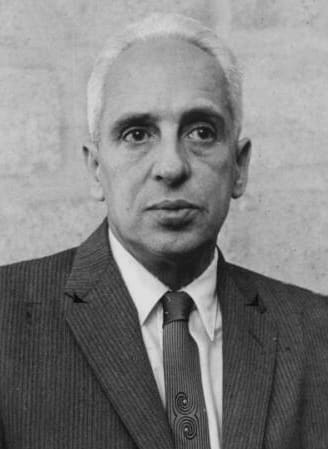
Santiago Ramón y Cajal

Santiago Ramón y Cajal

Shared the 1906 Nobel Prize in Medicine and founded modern neuroscience
Rafael Nadal

Rafael Nadal

22 Grand Slam singles titles, 14 of them at Roland-Garros
Pedro Almodóvar

Pedro Almodóvar

The director who took Spanish cinema global, with two Academy Awards
Penélope Cruz

Penélope Cruz

First Spanish actress to win an Academy Award
Diego Velázquez

Diego Velázquez

Court painter to Philip IV, and the mind behind Las Meninas
Francisco de Goya

Francisco de Goya

Court painter who ended up making the Black Paintings on his own walls
El Greco

El Greco

Cretan painter who settled in Toledo and never painted like anyone else
Joan Miró

Joan Miró

Catalan painter and sculptor of a private alphabet of shapes
Joaquín Sorolla

Joaquín Sorolla

The Valencian who painted Mediterranean light better than anyone
Santiago Calatrava

Santiago Calatrava

Architect and engineer behind Valencia’s City of Arts and Sciences
Luis Buñuel

Luis Buñuel

Surrealist filmmaker, from Un Chien Andalou to his late French films
Javier Bardem

Javier Bardem

First Spanish actor to win an Academy Award
Antonio Banderas

Antonio Banderas

Málaga actor who runs a theatre in his home city between films
Carlos Saura

Carlos Saura

Director whose flamenco films are the form’s best record on screen
Paco de Lucía

Paco de Lucía

The flamenco guitarist who opened the form to jazz
Andrés Segovia

Andrés Segovia

Carried the classical guitar out of the salon and into the concert hall
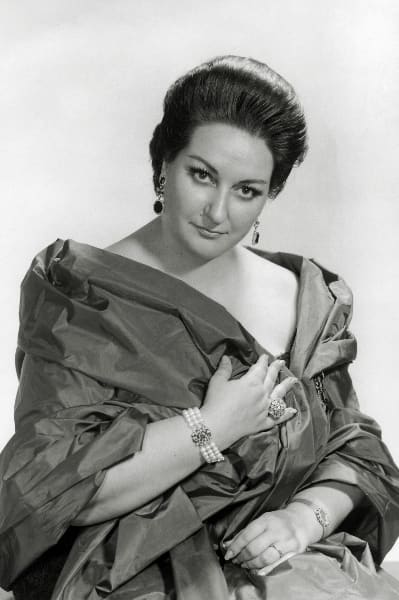
Montserrat Caballé

Montserrat Caballé

Soprano of extraordinary control, and one unlikely duet with Freddie Mercury
Manuel de Falla

Manuel de Falla

Composer of El amor brujo and Nights in the Gardens of Spain
Rosalía

Rosalía

Took flamenco’s forms into global pop with El Mal Querer
Federico García Lorca

Federico García Lorca

Granada poet and playwright, killed in 1936 at the start of the Civil War
Lope de Vega

Lope de Vega

Golden Age playwright who wrote at a pace nobody has matched since
Camilo José Cela

Camilo José Cela

Won the Nobel Prize in Literature in 1989
Antonio Machado

Antonio Machado

Poet of the Castilian plain, and of Campos de Castilla
Andrés Iniesta

Andrés Iniesta

Scored the goal that won Spain the 2010 World Cup
Miguel Indurain

Miguel Indurain

Won five consecutive Tours de France, 1991 to 1995
Pau Gasol

Pau Gasol

Two NBA championships with the Lakers, and his number in their rafters
Carlos Alcaraz

Carlos Alcaraz

The youngest world number one in the history of the ATP rankings
Garbiñe Muguruza

Garbiñe Muguruza

Won Roland-Garros in 2016 and Wimbledon in 2017
Juan Sebastián Elcano

Juan Sebastián Elcano

Brought the Victoria home in 1522 to complete the first circumnavigation
Severo Ochoa

Severo Ochoa

Shared the 1959 Nobel Prize in Medicine for work on RNA synthesis
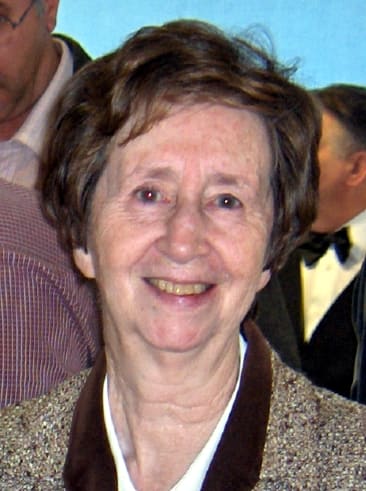
Margarita Salas

Margarita Salas

Her phi29 DNA polymerase became the most profitable patent Spain’s CSIC has filed
Ferran Adrià

Ferran Adrià

Ran elBulli, the restaurant that rewrote what a tasting menu could be
Juan Mari Arzak

Juan Mari Arzak

Turned a San Sebastián family tavern into the engine of new Basque cooking
Carme Ruscalleda

Carme Ruscalleda

The most decorated woman in Michelin history, seven stars across her career
José Andrés

José Andrés

Chef who built World Central Kitchen into a disaster-relief operation

Must-try Spanish food

The classics first, then what each region is known for. Pick a category.

Tortilla española

Potato and egg omelette, argued over endlessly for whether onion belongs.

Jamón ibérico

Acorn-fed ham cured for years and carved by hand into near-translucent sheets.

Gazpacho

Cold tomato and cucumber soup, drunk as much as eaten through the summer.

Cocido madrileño

Madrid’s chickpea stew, served in courses from broth to meat.

Croquetas

Béchamel fried in breadcrumbs, usually with ham or salt cod inside.

Pisto

Slow-cooked peppers, tomato and courgette, often with an egg broken over it.

Fabada asturiana

Asturian bean stew with chorizo and morcilla, built for a cold day.

Patatas bravas

Fried potato under a paprika sauce that should carry real heat.

Gambas al ajillo

Prawns in bubbling garlic oil, and bread to finish the oil with.

Pimientos de Padrón

Blistered green peppers from Galicia. Roughly one in ten is hot.

Boquerones en vinagre

White anchovies cured in vinegar and garlic, served cold.

Ensaladilla rusa

Potato, tuna and mayonnaise salad, a bar staple judged on its texture.

Pintxos

The Basque counter format: single bites on bread, paid for at the end.

Bocadillo de calamares

Madrid’s fried squid sandwich, eaten standing near Plaza Mayor.

Paella valenciana

The original: rabbit, chicken and beans, not seafood, cooked over wood.

Arroz negro

Rice blackened with squid ink and served with alioli.

Fideuà

The Valencian coast’s answer to paella, made with short noodles instead of rice.

Arroz a banda

Rice cooked in fish stock, with the fish itself brought out separately.

Arroz con bogavante

Soupier rice with lobster, a Sunday dish on the northern coast.

Pulpo a la gallega

Octopus on potato with paprika and olive oil, cut with scissors at the table.

Bacalao al pil-pil

Salt cod emulsified into its own garlic oil by nothing but movement.

Percebes

Goose barnacles pulled off Atlantic rocks at some risk, and priced accordingly.

Almejas a la marinera

Clams in white wine, garlic and parsley.

Calamares a la romana

Squid rings in a light batter, with lemon and nothing else.

Cochinillo asado

Segovia’s wood-roasted suckling pig, carved with the edge of a plate.

Chuletón

Aged bone-in beef chop, grilled hard outside and left rare within.

Lechazo

Milk-fed lamb roasted in a clay oven, the Castilian counterpart to cochinillo.

Morcilla de Burgos

Blood sausage bulked with rice, fried until the edges crisp.

Callos a la madrileña

Tripe stewed with chorizo and paprika, a winter Madrid classic.

Marmitako

Basque tuna and potato stew, born on the fishing boats.

Bacalao a la vizcaína

Salt cod in a sauce of dried choricero peppers, not tomato.

Txangurro

Spider crab baked in its own shell, a San Sebastián fixture.

Cachopo

Asturian breaded veal folded around ham and cheese, sized to share.

Empanada gallega

Flat Galician pie, usually tuna or cockles, sold by the slice.

Salmorejo

Córdoba’s thicker cousin to gazpacho, topped with ham and egg.

Pescaíto frito

Small fish floured and flash-fried, eaten by the paper cone in Málaga.

Rabo de toro

Oxtail braised until it falls apart, most associated with Córdoba.

Espinacas con garbanzos

Seville’s spinach and chickpeas with cumin, a Moorish inheritance.

Espetos de sardinas

Sardines skewered on cane and grilled over a beach fire on the Costa del Sol.

Churros con chocolate

Fried dough into thick drinking chocolate, at breakfast or at 4am.

Crema catalana

Citrus and cinnamon custard under a burnt sugar crust.

Tarta de Santiago

Galician almond cake stencilled with the cross of Saint James.

Turrón

Almond nougat from Jijona and Alicante, eaten hard or soft at Christmas.

Torrijas

Bread soaked in milk and fried, the Spanish Easter sweet.

Rioja

Tempranillo aged in oak, and the reference point for Spanish red.

Cava

Traditional-method sparkling wine, most of it made in Penedès.

Sherry

Fortified wine from the Jerez triangle, dry fino through sweet Pedro Ximénez.

Vermut

The pre-lunch ritual: vermouth on ice with an olive, usually on a Sunday.

Sidra asturiana

Still cider poured from height to aerate it, a glassful at a time.

Horchata

Valencian tiger nut drink, served cold with fartons to dip.

Spain travel FAQ

How many days do you need in Spain?+
Ten days covers Madrid, Barcelona and one region properly, with the AVE doing the long legs. Two weeks lets you add Andalusia or the Basque coast without a rushed morning.
When is the best time to visit Spain?+
April to June and September to October. The coast is warm, the interior is bearable, and prices sit below the July and August peak. Winter suits the south and the cities, less so the north.
Is Spain expensive to visit?+
Less than most of Western Europe. Budget roughly $120 to $190 per person per day mid-range, with Barcelona, Madrid and the Balearics at the top of that band and inland cities well below it.
Do you need to speak Spanish?+
No, but a little goes further here than in most of Europe. English is common in the tourist centres and thinner in small towns, and outside Castile you may be answered in Catalan, Basque or Galician.
Madrid or Barcelona for a first trip?+
Barcelona if you want architecture and the sea in one city, Madrid if you want the art and the food. They are two and a half hours apart by AVE, which is the honest answer: do both.

Know before you go

The essentials for planning a Spain trip.
Currency

Euro (EUR)

Cards are accepted almost everywhere, including small bars. Keep a little cash for markets, village cafés and the occasional menú del día.

Language

Spanish (Castilian)

Catalan, Basque and Galician are co-official in their regions and used daily there. English is common in the tourist centres and much thinner outside them.

Emergency

112

One free number for police, ambulance and fire, from any phone, with English-speaking operators in the main tourist regions.

Visa

Schengen · 90/180

Spain is in the Schengen area, so most Western passports enter for 90 days in any 180 without a visa. Confirm your own nationality on the official consular list before booking.

Getting around

Renfe AVE

High-speed rail links Madrid to Barcelona, Seville, Málaga, Valencia and Alicante in a few hours each, and competing operators have pushed fares down. Book early for the cheapest seats.

Tipping

Round up

Service is included and there is no percentage convention. Leaving the coins after a good meal is normal; ten percent is generous.

Meal times

Lunch 2, dinner 9

Kitchens open later than almost anywhere else in Europe. Lunch is the main meal and the menú del día is the best value on any menu.

When to visit Spain

Best months balance heat, light and the August holiday.
Full month guide →
Jan
Feb
Mar
Apr
May
Jun
Jul
Aug
Sep
Oct
Nov
Dec
Best: warm coast, bearable interior Peak: heat inland, and August is when Spain takes its holiday Good: mild shoulder months, cheaper flights Off: cold on the meseta, wet in the north

Spain by theme

Themed Top 10s across the country.
All themes →

Planning a Spain trip?

One fully-researched destination (ranked, mapped and paired with video) in your inbox every Thursday.