


Most first trips are Transylvania. Fly into Cluj-Napoca or Sibiu and give the plateau four or five days: Sibiu and Brașov for the Saxon squares, Sighișoara for the hill citadel, and the fortified churches in the villages between them. Add Bucharest at one end for the scale of the place and the food. With a fortnight the country opens up: the painted monasteries of Bucovina and the wooden churches of Maramureș in the north, or the Danube Delta by boat from Tulcea.
3 Romania city guides
Fun fact
The Palace of the Parliament in Bucharest is the heaviest building in the world according to Guinness World Records, at more than four million tonnes of concrete, steel and marble.
Stereotypes, sorted out
The realityBram Stoker never set foot in Romania, and no evidence puts Vlad III at Bran Castle. Transylvania's real draw is a plateau of walled Saxon towns and fortified churches built by German settlers from the twelfth century, seven villages listed together by UNESCO. The vampire shop is a sideshow.
The realityRomania has been in the EU since 2007 and its economy is one of the faster-growing in it. Cluj-Napoca and Timișoara are tech cities, internet is fast and cheap almost everywhere, and the motorways are finally being built. Rural Romania is rural, and that does not mean poor.
The realityThe everyday risks are the everyday ones: a pickpocket on a crowded Bucharest tram, an unmetered taxi outside the airport, a farm dog with opinions. Nothing about travelling here is unusual by European standards, and solo travel is unremarkable.
The realityCeaușescu flattened a large part of the old centre for his civic project, and that scar is real. What survived is Belle Époque villas, interwar modernism, Orthodox churches wedged between apartment blocks, and a lot more parkland than the city's reputation allows.
The realityIt is a Romance language, the eastern survivor of Latin, sitting in a ring of Slavic and Hungarian neighbours. There are Slavic loanwords, as there are Turkish and Hungarian ones, but the grammar and the core vocabulary are Latin. Read Italian and you will get further than you expect.
How to fit in
- Shoes come off at the door of a home, and slippers will be produced for you.
- Arrive with something: flowers, coffee, or a cake from the bakery. Give flowers in odd numbers, because even numbers are for funerals.
- Țuică comes out before the meal, and refusing the first glass takes some doing.
- Churches and monasteries expect covered shoulders and knees, and the working monasteries in Bucovina and Maramureș mean it.
- Name days are celebrated as widely as birthdays. On a big saint's day, half the people sharing that name are marking it.
- Older Romanians lived through the Ceaușescu years and will talk about them plainly if you ask. It is history here, not a taboo.
- Haggling is not a thing outside a flea market. The price on the label is the price.
Famous Romanian faces

Nadia Comăneci

Constantin Brâncuși

George Enescu

Gheorghe Hagi

Simona Halep

Eugène Ionesco

Herta Müller

Queen Marie of Romania

George Emil Palade

Petrache Poenaru

Ana Aslan

Emil Cioran

Angela Gheorghiu

Gheorghe Zamfir

Cristian Mungiu

Cristi Puiu
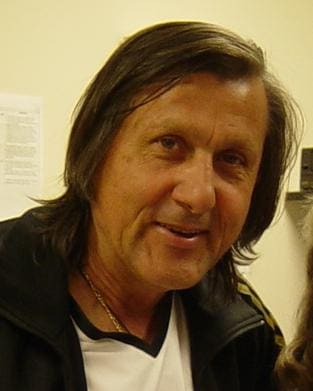
Ilie Năstase

Elisabeta Lipă

Ion Țiriac
Henri Coandă
Vlad III
Stephen the Great
Nicolae Ceaușescu
Emil Racoviță
Mircea Eliade
Elie Wiesel
Tristan Tzara
Sergiu Celibidache
Johnny Weissmuller
Must-try Romanian food

Mămăligă
Cornmeal polenta under sour cream and salty cheese, or beside a stew.

Tochitură
Pork cooked down in garlic and wine, on mămăligă with cheese and a fried egg.

Salată de vinete
Smoked aubergine beaten with oil into a spread, eaten on bread with raw onion.

Ciorbă de burtă
Sour tripe soup with garlic, cream and vinegar. The hangover cure, better than it sounds.

Ciorbă de perișoare
Meatball soup soured with borș, the fermented wheat bran behind every ciorbă.

Papanași
Fried cheese doughnuts under sour cream and sour cherry jam. The portion is no mistake.

Cornulețe
Small crescent pastries filled with jam or lokum, made in trays at Christmas.

Țuică
Plum brandy, usually homemade and stronger than advertised, poured before the meal.

Bulz
Mămăligă balls stuffed with sheep's cheese and baked. Carpathian shepherd food.
Sarmale
Cabbage leaves rolled round pork and rice and simmered slowly. At every Christmas table.
Zacuscă
Roasted pepper and aubergine relish, made in autumn and jarred for winter.
Piftie
Pork set in its own jelly with plenty of garlic. A Christmas taste worth acquiring.
Mici
Skinless garlicky grilled sausages of beef and pork, ordered by number with mustard.
Fleică
Flank or belly grilled over coals, the default order at any beer garden in the country.
Pastramă de oaie
Cured and grilled mutton, an autumn speciality out of the sheep-farming districts.
Ciorbă rădăuțeană
Bucovina's chicken version of the tripe soup, and the gentler way into the genre.
Borș de pește
Delta fish soup, cooked in a cauldron on the bank with the morning's catch.
Cozonac
Sweet braided loaf with walnut or poppy seed, baked for Easter and Christmas.
Plăcintă cu brânză
Pastry filled with sweet fresh cheese, sold from bakery windows all day.
Salam de biscuiți
No-bake log of crushed biscuit and cocoa, cut into rounds. A childhood staple.
Vișinată
Sour cherry liqueur, sweet and deceptive, kept in the cupboard for guests.
Romanian wine
Look for the native Fetească Neagră and Fetească Albă, from Dealu Mare and Recaș.
Kürtőskalács
Székely chimney cake wound on a spit over coals and rolled in sugar.
Papricaș
The Hungarian paprika stew, adopted wholesale in Transylvania and served with dumplings.
