

Nearly every trip lands at Keflavik and starts in Reykjavik, and two or three nights there covers the museums, the pools and the day trips: the Golden Circle, the Reykjanes lava fields and the whale boats from the old harbour. After that the choice is a base or a loop. The south coast is the highest reward for the least driving, running waterfalls, black sand at Vík and the glacier lagoon beyond Höfn. The full Ring Road adds the east fjords, the whale watching at Húsavík and Akureyri in the north, and it wants a week. The Westfjords and the highlands are the two parts that need more time, a sturdier vehicle and a summer date. June to September is the open window; February and March are the trade for snow and the aurora.
2 Iceland city guides


Fun fact
The Althingi met for the first time at Thingvellir in 930 and still sits today, which makes it one of the oldest parliaments in the world. The site it was founded on is a UNESCO World Heritage site and sits on the rift between the North American and Eurasian plates.
Stereotypes, sorted out
The realityThe Gulf Stream keeps the inhabited coast far milder than the latitude suggests, and Reykjavik winters hover around freezing rather than well below it. The ice is real and it is concentrated: the big caps sit inland, Vatnajökull above all, and the coastal ring road is kept open all year.
The realityFolk-belief surveys run out of the University of Iceland keep finding the same split: very few people say they believe outright, and a large share will not rule it out. What you actually meet is a respect for specific rocks and specific places, and the occasional road plan that bends around one.
The realityThe season runs from late August to mid-April, and it needs darkness, a clear sky and solar activity on the same night. A summer trip will see none at all, because the sky never gets dark enough. Give yourself several nights and treat any one of them as a bonus.
The realityRoute 1 runs 1,322 kilometres and is the longest ring road in Europe. A week does it without rushing. Three days buys the southwest and the south coast, which is a better trip than a sprint around the island.
The realityThe car, the rooms and the restaurants are what cost. Almost everything people come for does not: the waterfalls, the coast roads and the trails are free, the tap water is glacial and excellent, and the municipal geothermal pools are the cheapest good afternoon in the country.
The realityAround two thirds of Icelanders live in its metropolitan area, and the centre is still small enough to cross on foot in half an hour. Treat it as a very well equipped town with an international airport an hour away, and it makes sense.
Cultural notes that actually help
- Shower without a swimsuit before you get in the water. It is posted at every pool, it is not optional, and it is what keeps unchlorinated geothermal water clean.
- Use first names. Most Icelanders carry a patronymic rather than a family name, which is why the phone book is alphabetised by first name and why nobody is addressed as Mr or Ms anything.
- Take your shoes off indoors, in homes and guesthouses alike.
- Check the weather and the road before you drive, on the morning of the drive rather than the night before. Conditions here change inside an hour and the forecast is the plan.
- Never drive off marked roads. It is illegal, the moss scars for decades, and rescue callouts for stuck vehicles are a real cost to volunteers.
- Buy wine and spirits at Vínbúðin, the state shops, and note their opening hours before Sunday. Supermarkets carry only low-alcohol beer.
- Tipping is not expected. Service is in the price, and rounding up is a gesture rather than an obligation.
Famous Icelandic faces

Björk
Halldór Laxness

Vigdís Finnbogadóttir

Hildur Guðnadóttir
Snorri Sturluson

Baltasar Kormákur
Hafþór Júlíus Björnsson

Ólafur Elíasson

Jónsi

Ólafur Arnalds
Jóhann Jóhannsson

Nanna Bryndís Hilmarsdóttir

Arnaldur Indriðason

Andri Snær Magnason

Auður Ava Ólafsdóttir

Ólafur Darri Ólafsson

Hlynur Pálmason

Jón Páll Sigmarsson

Gylfi Sigurðsson

Sara Björk Gunnarsdóttir
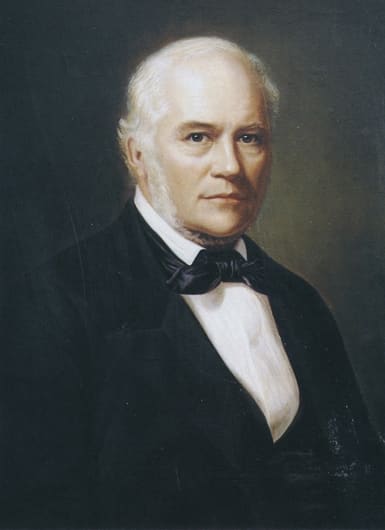
Jón Sigurðsson

Katrín Jakobsdóttir
Erro

Ragnar Kjartansson
Must-try Icelandic food

Skyr
A thick cultured dairy staple, eaten here for a thousand years and sold in every shop.

Rúgbrauð
Dense dark rye, at its best as hverabrauð, baked underground by geothermal heat.

Hákarl
Fermented Greenland shark, cut into cubes and taken with a shot. Ammonia is the point.

Slátur
Blood and liver sausage sewn into casings, boiled and eaten hot with potatoes.

Kleina
A twisted fried dough knot, the standard companion to a coffee refill.
Pylsur
The lamb, pork and beef hot dog, ordered with both onions, mustard and remoulade.
Kjötsúpa
Lamb soup with root vegetables and barley, the plainest good meal in the country.
Plokkfiskur
Cod or haddock mashed with potato and onion, served with rye and butter.
Harðfiskur
Wind-dried fish torn into strips and eaten with butter, the standing road snack.
Humar
Langoustine from the southeast, the reason Höfn puts its name on a festival.
Grafin bleikja
Cured arctic char, sliced thin over rye with a mustard dressing.
Hangikjöt
Smoked lamb, sliced cold at Christmas and hot in a white sauce the rest of the year.
Icelandic lamb
Free-grazed on herb and moss all summer, which is what you taste in it.
Svið
Singed sheep's head, halved and served with mashed swede. A Þorrablót fixture.
Ástarpungar
Love balls: spiced dough fritters studded with raisins, sold warm by the bag.
Pönnukökur
Thin cinnamon pancakes rolled with sugar or folded around whipped cream and jam.
Brennivín
Caraway schnapps, drunk cold and neat, and the traditional chaser for hákarl.
Malt og appelsín
Malt drink cut with orange soda, mixed at Christmas and drunk all year.
