The second largest country on Earth, with most of its people living within a couple of hours of the American border and almost everything else left to forest, tundra and water. Canada is a country you visit one region at a time.
6
City guides
36,991,981
People
1
Video guide
13
Provinces & territories
Live destination map
AllAtlantic CanadaQuébecOntarioPrairiesAlberta & the RockiesBritish ColumbiaThe North
By Wimup EditorialUpdated August 202613 min read
Best months
Jun · Jul · Aug · Sep
Ideal length
10–14 days
Budget / day
C$140–300
Language
English and French
Getting around
Domestic flights & road trips
Province ▾Theme ▾Budget ▾Best month ▾Trip length ▾6 guides
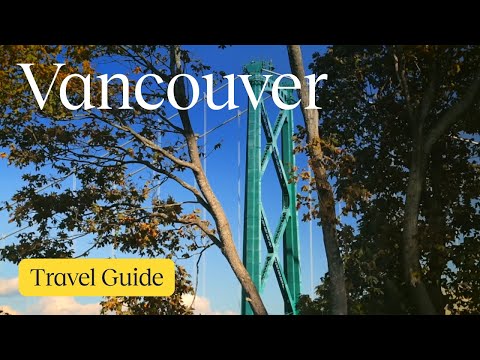
Pick one region and do it properly. Banff and the Rockies out of Calgary is the scenery trip, Québec City and Montréal the one that feels furthest from home, and the Atlantic coast the one people come back raving about. Vancouver is the easiest first landing, with Victoria and the Okanagan within a day of it. Summer runs June to September, and the mountains have a second season on snow.
Canada has the longest coastline of any country, about 243,000 kilometres of it once the Arctic islands are counted, which is roughly a sixth of the world total.
Stereotypes, sorted out
The clichés you have heard, what is actually true, and how to fit in.
"It is cold all year"
The realityToronto and Montréal run hot and humid in July, the Okanagan is desert country, and southern Ontario grows wine. The cold is real, seasonal and concentrated in the months most visitors skip.
"It is basically the United States with better manners"
The realityTwo official languages, a different founding story, publicly funded health care and a legal system that carries Indigenous title. Québec alone reads as a separate country to most first-time visitors.
"You can see it in two weeks"
The realityCanada is wider than the Atlantic is across. Two weeks buys one region done well. Vancouver to Halifax is a longer flight than London to New York.
"Everyone is unfailingly polite"
The realityCanadians are direct about queues, hockey and their own politics. The apology reflex is real, and it is often a way of getting past you rather than an apology.
Apologising to furnitureEnding sentences with ehMaple syrup on everythingMoose in the roadHockey as the national religionMilk sold in bagsThe double-double at Tim Hortons
Cultural notes that actually help
A land acknowledgement opens many public events. It is a courtesy with a legal history behind it, not a formality to sit out.
Open in French in Québec, even badly. The switch to English usually comes from the other side, and it comes faster once you have tried.
Prices on shelves exclude sales tax and tips are expected on top, so the final number is always higher than the label.
Queue discipline is taken seriously, at the bus stop and at the bar alike.
Take your shoes off inside a house. In winter this is not politeness, it is drainage.
Do not treat Indigenous communities and their art as scenery. Ask before photographing people, and buy from artists rather than souvenir shops.
Famous Canadian faces
The names behind Canadian sport, screen, music, science, art and politics. Pick a field.
Terry Fox
Terry Fox
Ran the Marathon of Hope across Canada on one leg to fund cancer research
Wayne Gretzky
Wayne Gretzky
Hockey's all-time leading scorer, and still the record by a distance
Margaret Atwood
Margaret Atwood
Novelist of The Handmaid's Tale and twice a Booker Prize winner
Leonard Cohen
Leonard Cohen
Montréal poet and songwriter behind Hallelujah and Suzanne
Céline Dion
Céline Dion
The best-selling French-language recording artist in history, from Charlemagne, Québec
Frederick Banting
Frederick Banting
Shared the 1923 Nobel Prize for the discovery of insulin
Chris Hadfield
Chris Hadfield
Astronaut who commanded the International Space Station and sang from it
Viola Desmond
Viola Desmond
Challenged cinema segregation in Nova Scotia in 1946, and now fronts the ten dollar note
Sidney Crosby
Sidney Crosby
Captain, Stanley Cups, and the golden goal at the 2010 Vancouver Olympics
Hayley Wickenheiser
Hayley Wickenheiser
The most decorated player in women's hockey, with four Olympic golds
Donovan Bailey
Donovan Bailey
Olympic 100m champion and world record holder in 1996
Steve Nash
Steve Nash
Two-time NBA Most Valuable Player, raised in Victoria
Maurice Richard
Maurice Richard
The Rocket, first to score 50 goals in 50 games for the Canadiens
Bianca Andreescu
Bianca Andreescu
First Canadian to win a Grand Slam singles title, at the 2019 US Open
Denis Villeneuve
Denis Villeneuve
Québec director of Arrival, Blade Runner 2049 and Dune
James Cameron
James Cameron
Director of Titanic and Avatar, from Kapuskasing, Ontario
Sandra Oh
Sandra Oh
Actor of Killing Eve and Grey's Anatomy, from Nepean
Ryan Gosling
Ryan Gosling
Actor and producer, out of London, Ontario
Mary Pickford
Mary Pickford
Silent film star from Toronto who co-founded United Artists
Xavier Dolan
Xavier Dolan
Montréal writer-director who was making features before he was 21
Joni Mitchell
Joni Mitchell
Songwriter of Blue, and one of the most covered writers alive
Neil Young
Neil Young
Songwriter and guitarist, from Toronto by way of Winnipeg
Glenn Gould
Glenn Gould
Pianist whose Goldberg Variations changed how Bach is played
Oscar Peterson
Oscar Peterson
Montréal jazz pianist, and one of the great technicians of the instrument
Shania Twain
Shania Twain
Northern Ontario singer behind the best-selling country album by a woman
Drake
Drake
Toronto rapper who made his city's name a global shorthand
Roberta Bondar
Roberta Bondar
Neurologist and the first Canadian woman in space
Charles Best
Charles Best
Co-discovered insulin with Banting, as a 22 year old student
Donna Strickland
Donna Strickland
Shared the 2018 Nobel Prize in Physics for chirped pulse amplification
John Polanyi
John Polanyi
Shared the 1986 Nobel Prize in Chemistry for reaction dynamics
Ursula Franklin
Ursula Franklin
Metallurgist and pacifist whose work on fallout helped end atmospheric nuclear testing
Emily Carr
Emily Carr
Painter of the British Columbia forest and the coastal villages within it
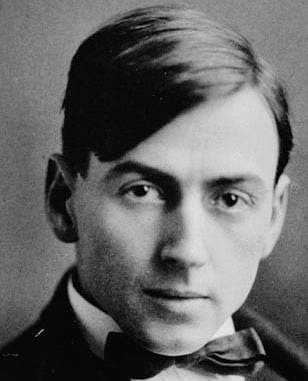
Tom Thomson
Tom Thomson
Painter of Algonquin Park, and the reason the Group of Seven exists
Kenojuak Ashevak
Kenojuak Ashevak
Inuit graphic artist from Kinngait, and the country's best known printmaker
Bill Reid
Bill Reid
Haida sculptor whose Spirit of Haida Gwaii sits in two national collections
Michael Ondaatje
Michael Ondaatje
Novelist of The English Patient, and a poet first
Lester B. Pearson
Lester B. Pearson
Won the 1957 Nobel Peace Prize for inventing modern peacekeeping, then became prime minister
Tommy Douglas
Tommy Douglas
Saskatchewan premier who built the country's first public health insurance
Pierre Trudeau
Pierre Trudeau
Prime minister who patriated the constitution and wrote the Charter into it
Nellie McClung
Nellie McClung
Suffragist of the Famous Five, who won women legal recognition as persons
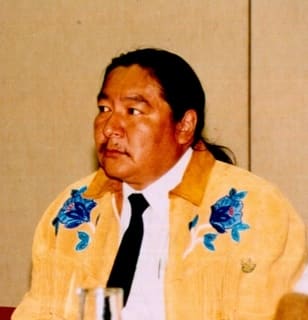
Elijah Harper
Elijah Harper
Cree MLA whose single vote stopped the Meech Lake Accord in 1990
Susur Lee
Susur Lee
Toronto chef who put Chinese technique on fine dining menus here first
Vikram Vij
Vikram Vij
Vancouver chef whose kitchen changed how the country eats Indian food
Normand Laprise
Normand Laprise
Montréal chef of Toqué!, and the case for Québec produce
Anita Stewart
Anita Stewart
Food writer who founded Food Day Canada and argued Canadian cuisine into existence
Must-try Canadian food
The classics first, then Québec, the coasts, the prairies and the sweets. Pick a category.
Poutine
Fries, cheese curds and gravy. The curds have to squeak.
Montréal smoked meat
Brisket cured for days, steamed, piled on rye with mustard.
Peameal bacon sandwich
Toronto's market breakfast: cornmeal-crusted loin on a soft bun.
Donair
Halifax's late-night export, spiced beef under a sweet garlic sauce.
Bannock
Indigenous fry bread, eaten with everything from stew to jam.
Montréal bagel
Hand-rolled, honey-boiled, wood-fired, and thinner than the New York kind.
Tourtière
Spiced meat pie from Québec, on the table every Christmas Eve.
Pouding chômeur
Depression-era cake baked under maple syrup until it makes its own sauce.
Soupe aux pois
Yellow split pea soup with salt pork, the Québec winter staple.
Cretons
Cold pork spread on toast, the breakfast Québec never explains to visitors.
Tire d'érable
Hot maple syrup poured on snow and rolled onto a stick at the sugar shack.
Lobster roll
Atlantic lobster, minimal mayonnaise, a toasted bun and nothing clever.
Malpeque oysters
Prince Edward Island's cold-water oyster, briny and worth eating at the source.
Digby scallops
Sweet and thick from the Bay of Fundy, seared hard and left alone.
Arctic char
Northern fish between salmon and trout, best cooked simply.
Spot prawns
British Columbia's short spring season, and the coast plans around it.
Fish and brewis
Newfoundland salt cod and hard bread, with scrunchions on top.
Alberta beef
Grain-finished and cut thick. The province built its reputation on it.
Perogies with kielbasa
Prairie Ukrainian cooking, onions and sour cream compulsory.
Saskatoon berry pie
A prairie berry somewhere between blueberry and almond.
Flapper pie
Custard under meringue on a graham crust, the prairie diner classic.
Bison
Leaner than beef and back on menus across the plains.
Butter tart
Pastry, butter, sugar, egg. The runny-versus-firm argument is national.
Nanaimo bar
Three no-bake layers from Vancouver Island, and no oven involved.
BeaverTails
Fried dough stretched flat, eaten hot on the Rideau Canal in winter.
Maple syrup
Québec makes most of the world's supply. Grade it by colour, not by price.
Tarte au sucre
Québec sugar pie, cream and brown sugar, served in small slices for a reason.
Persian
A Thunder Bay cinnamon roll under pink berry icing, sold nowhere else.
Caesar
Vodka, clamato, hot sauce and a celery salt rim. Invented in Calgary.
Icewine
Grapes pressed frozen on the vine in Niagara and the Okanagan.
Canadian rye whisky
Lighter and grain-forward, and the base of most bars here.
Double-double
Coffee, two creams, two sugars. The national order, ordered by name.
Canada travel FAQ
How many days do you need in Canada?+
Plan 10 to 14 days and spend them in one region. That is enough for Vancouver and the Rockies, or Montréal, Québec City and the Atlantic coast, without living in airports. Crossing the country properly takes a month.
When is the best time to visit Canada?+
June to September for almost everything: long days, open roads and every park and coastal town running. September is the sweet spot, with fall colour in the east and the summer crowds gone. December to March is a separate trip built around snow.
Do you need a visa for Canada?+
Visa-exempt travellers flying in need an Electronic Travel Authorization, applied for online and linked to the passport they travel on. It lasts up to five years or until that passport expires. United States citizens do not need one, and neither does anyone arriving by land or sea. Check your own nationality with Immigration, Refugees and Citizenship Canada.
Is Canada expensive to visit?+
It sits in the middle. Our Canadian city guides work out around C$140 to C$300 per person per day mid-range, with domestic flights and national park fees the line items people forget. Sales tax is added at the till and tips run 15 to 20 percent, so budget above the menu price.
Do you need to speak French in Canada?+
No, but it helps in Québec. Montréal works in English without friction, Québec City is more French in daily life, and rural Québec and northern New Brunswick are French first. Opening in French and switching is the courtesy that changes the reception.
Know before you go
The essentials for planning a Canadian trip.
Language
English and French
Both are official at the federal level. English carries most of the country, French carries Québec, and New Brunswick is officially bilingual. Dozens of Indigenous languages are still spoken, and they are the source of the country's name.
Visa-exempt travellers flying into Canada need an Electronic Travel Authorization, applied for online and linked to the passport you fly on. It is valid for up to five years or until that passport expires. United States citizens are exempt, and so is anyone arriving by car, bus, train or ship. Confirm for your nationality with Immigration, Refugees and Citizenship Canada.
Getting around
Domestic flights & road trips
Distance is the trip's main constraint. Toronto to Vancouver is over four hours in the air and four days on the train, so pick one region and drive it rather than crossing the country. VIA Rail is a journey in its own right, not a way of saving time.
Right-hand traffic, wide highways and long empty stretches between towns. Québec requires winter tyres on vehicles registered in the province, rentals included, from 1 December to 15 March, and mountain highways in British Columbia and Alberta post their own winter requirements.
Parks Canada charges admission at most of its parks and historic sites. The annual Discovery Pass covers more than 80 of them for a calendar year, which pays for itself quickly on a Rockies trip.
Time zones
Six
Newfoundland, Atlantic, Eastern, Central, Mountain and Pacific. Newfoundland runs half an hour off the rest, which catches out anyone booking a connection through St. John's.
Tipping
15–20% expected
Table service, bars and taxis all expect a tip, and card terminals will suggest one. Sales tax is added at the till rather than shown on the shelf, so the number on the tag is not the number you pay.
When to visit Canada
A short, busy summer, a long winter that is worth planning around, and two good shoulders.
Best, long June days and empty September trails Peak, July and August, when the parks and the prices fill up Good, ski season in the mountains, quieter cities either side of summer Off, the April thaw and the grey weeks of November