


Most visitors land at Maiquetía below Caracas, then choose among four trips. The Gran Sabana: Canaima for Angel Falls by light aircraft, and the six-day walk up Roraima. The Andes around Mérida, with the cable car to 4,765 metres. The Caribbean coast and the reefs of Los Roques. The Llanos for capybara, caiman and anaconda. The falls peak June to November, the coast December to April. Read your government's advisory first: it decides where your insurance holds.
Fun fact
Guinness World Records recognises the mouth of the Catatumbo river, where it meets Lake Maracaibo, as the place with the highest concentration of lightning on earth: roughly 250 flashes per square kilometre a year, on up to 300 nights, in storms that can run for nine hours at a stretch.
Stereotypes, sorted out
The realityIt is not closed, and open does not mean safe. Flights reach Maiquetía from Madrid, Istanbul, Bogotá and Panama City, and specialists run Canaima, Roraima and Los Roques every year. Several governments advise against some or all travel, insurance is hard to place and consular help is thin or absent.
The realityRisk is intensely local. The Colombian border states, the mining areas south of the Orinoco and the worst city districts are in another category from Mérida, Los Roques or a lodge in Apure, so advisories split the country by state. Nowhere is risk-free. Ask which places, at which times, with whom.
The realityIt is a small expedition. No road: a light aircraft to Canaima, hours by motorised canoe up the Carrao and Churun rivers, a walk to the Laime viewpoint, and usually a night in hammocks under the falls. Three days is normal. The river needs water, so a dry-season visit may get only an overflight.
The realityIt ran on oil money. Venezuela holds the largest proven crude reserves of any country, and production still collapsed in the 2010s, taking the currency and public services with it. Visitors meet the aftermath: a dollar economy, unreliable power and water, quiet tourist sites, and millions abroad.
How to get it right
- Greet before you ask. Buenos días comes first, then the question. Skipping it reads as rude in a way that carries across the whole country.
- Talk politics carefully. Venezuelans discuss it constantly among themselves; a visitor volunteering an opinion, especially about the government, puts the person listening in a position they did not ask for.
- Carry cash, in small notes and in dollars, and do not flash it. Splitting it between pockets and a bag is standard practice.
- Take local advice on neighbourhoods and hours at face value. When a driver says not to walk a street after dark, that is information.
- Photograph people only after asking, and not at all around military installations, checkpoints or the mining areas. Cameras attract attention you do not want.
- Eat the arepa with your hands and the pabellón with the plantain, and let someone show you the order. Food is the fastest way into a conversation here.
Famous Venezuelan faces

Simón Bolívar

María Corina Machado

Gustavo Dudamel

Rómulo Gallegos

Carolina Herrera

Luis Aparicio

Baruj Benacerraf

Andrés Bello
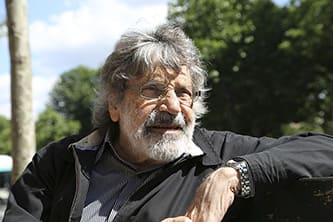
Carlos Cruz-Diez
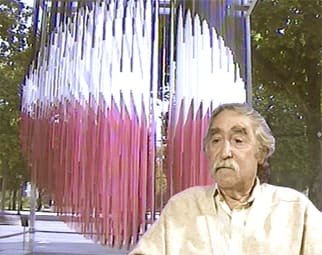
Jesús Rafael Soto

Armando Reverón

Carlos Raúl Villanueva

Édgar Ramírez

José Antonio Abreu

Simón Díaz

Miguel Cabrera

José Altuve

Pastor Maldonado
Teresa Carreño
Francisco de Miranda
Antonio José de Sucre
Óscar D'León
Humberto Fernández-Morán
Must-try Venezuelan food

Arepa
Griddled maize cake, split and filled. Order a reina pepiada or a dominó.

Hallaca
Christmas parcels of maize dough and meat stew, boiled in plantain leaves by the hundred.

Cachapa
Sweet corn pancake folded over soft queso de mano. A Caracas to Maracay roadside classic.

Asado negro
Beef round browned in caramelised sugar until nearly black, then braised slowly.

Casabe
Flat, dry cassava bread baked the old way. Standard upriver and in the Gran Sabana.

Tequeños
Cheese batons wrapped in pastry and fried. No Venezuelan party goes without.

Empanadas
Maize dough, deep fried, filled with cheese, shredded beef or, on the east coast, cazón.

Mandoca
Fried ring of plantain and maize sweetened with papelón, eaten with cheese in Maracaibo.

Quesillo
Venezuelan caramel custard, denser than flan and full of small holes.
Pabellón criollo
Shredded beef, black beans, rice and fried plantain. Add a fried egg and it is a caballo.
Perico
Eggs scrambled with tomato, onion and sweet pepper. The standard breakfast arepa filling.
Pargo frito
Whole fried red snapper with tostones. Lunch on any beach from Choroní to Mochima.
Cazón
Small shark stewed with sweet pepper and onion, the classic coastal empanada filling.
Dulce de lechosa
Green papaya slow-cooked in cane sugar with cloves, served cold at Christmas.
Golfeado
Sweet dough wheel rolled with papelón and aniseed, topped with white cheese while warm.
Chocolate de Chuao
Prized cacao from Chuao, a village west of Choroní reached only by boat.
Papelón con limón
Raw cane sugar in water with lime, over ice. The everyday soft drink.
Chicha
Thick, sweet rice drink dusted with cinnamon, sold from carts outside schools.
Ron venezolano
Denomination-of-origin rum. Tropical ageing makes a bottle taste older than its years.