


Panama is a corridor with trips hanging off it. Panama City and the canal are the anchor, worth two or three days: Casco Antiguo, the locks, the rainforest of Parque Natural Metropolitano. Guna Yala is the postcard archipelago and takes the most planning: autonomous Guna territory, reached by 4x4 and boat, paid in cash. Bocas del Toro is the easier Caribbean. The Chiriquí highlands around Boquete are cool, for coffee, cloud forest and Volcán Barú. The Azuero Peninsula is the dry Pacific south.
Fun fact
The Panama Canal is a freshwater staircase, and every transit spends water from Gatún Lake. The 2023 drought dropped the lake so far that daily slots fell from around 38 to 24, and fiscal 2024 saw 9,944 transits, about 29 per cent fewer. The lake also supplies drinking water to over half the nation.
Stereotypes, sorted out
The realityThe canal is the spine and worth a day. It is also the shortest part of the trip. The country either side of it holds two coasts that behave nothing alike, an autonomous island archipelago, cloud forest cool enough for a jacket, and one of the densest bird lists on the continent.
The realityTocumen is the hub of the Americas and a lot of people see only its transit lounge. Panama is small enough that a stopover can be a real trip: the capital, a canal lock and El Valle de Antón fit comfortably into three days without a domestic flight.
The realityThey are Guna Yala, autonomous territory the Guna won by revolt in 1925 and have governed since through their own General Congress. You enter on their terms: a fee at the boundary, Guna boats and Guna-owned cabañas, cash only, and permission asked before a camera comes out.
The realityIt is Ecuadorian, woven in Montecristi and Cuenca, and got its name because canal workers and travellers bought them here. Panama has its own hat and it is a different object: the sombrero pintao of the Azuero Peninsula, on the UNESCO intangible heritage list since 2017.
The realityThe lowlands are, all year. Boquete and Cerro Punta sit high enough on the flank of Volcán Barú that mornings are cold, and the Azuero Peninsula is dry country. Pack for both or plan to buy a fleece in David.
Cultural notes
- Greet before you ask. A buenos días opens the exchange, and skipping it lands badly even in English.
- The balboa and the US dollar are the same money. Notes are American, coins are Panamanian, and both spend without comment.
- Guna Yala is a country within the country. Pay the entry fee, travel with Guna operators, and ask before photographing anyone or anything.
- The day starts early and the afternoon belongs to the heat. Markets, hikes and boats are morning things.
- Carnival, the four days before Ash Wednesday, closes most of the country and fills every bus and hotel on the Azuero Peninsula. Book far ahead or plan around it.
- Panamanians distinguish the capital from "the interior", and it is a real cultural line. The food, the dress and the calendar change when you cross it.
Famous Panamanian faces

Rubén Blades

Mariano Rivera

Rod Carew

Danilo Pérez

Irving Saladino

Omar Torrijos

Erika Ender
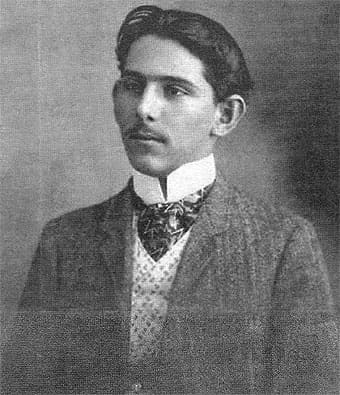
Ricardo Miró
Roberto Durán
Mireya Moscoso
Manny Sanguillén
Rolando Blackman
Rogelio Sinán
Carlos Eleta Almarán
Must-try Panamanian food

Ropa vieja
Beef shredded and stewed in tomato, onion and pepper, sweeter here than in Cuba.

Carimañola
Mashed yuca around seasoned beef, deep fried into a torpedo. The street breakfast.

Bollo
Corn or yuca dough boiled in its own husk, sold in pairs at roadside stands.

Raspao
Shaved ice under fruit syrup and condensed milk, scraped to order off a handcart block.

Chicheme
Cracked corn with milk, cinnamon and vanilla, drunk cold. Penonomé claims it.
Sancocho de gallina
The national dish: hen simmered with yam and culantro, taken as a cure as often as a meal.
Arroz con pollo
Rice with chicken, peppers and achiote. The plate at every birthday, wake and Sunday meal.
Guacho
Soupy rice with pigeon peas and salt pork or seafood, from Darién and the Caribbean coast.
Tamal panameño
Corn masa around chicken or pork, steamed in plantain leaf. Christmas food, made all year.
Hojaldre
Puffed, faintly sweet fried flatbread, torn to chase egg, cheese or beef at breakfast.
Tortilla de maíz
A thick fried corn cake, nothing like the Mexican one, eaten at breakfast with cheese.
Empanadas de maíz
Corn turnovers of chicken or beef, fried hard and eaten standing at the counter.
Ceviche de corvina
Sea bass cured in lime and habanero, sold by the cup at the Mercado de Mariscos.
Pescado frito entero
Whole fish fried hard, with patacones and lime. The lunch where the boats land.
Rondón
Caribbean stew of fish, coconut milk, yuca and plantain. Best in Bocas and Portobelo.
Patacones
Green plantain fried, flattened and fried again. Arrives with nearly everything.
Arroz con coco y guandú
Coconut rice with pigeon peas, the Afro-Caribbean staple of Colón and Bocas del Toro.
Cocada
Coconut and sugar cooked to a chewy square, sold from jars at roadside stalls.
Seco Herrerano
Cane spirit from Herrera, the national drink, taken with milk and ice as seco con leche.
Geisha coffee
Boquete grows the varietal that keeps breaking auction records: $13,705 a pound in 2025.