

Almost everyone starts in the south, because it is the half with the roads and the flights. Maputo is worth two nights on its own: a low colonial capital with an iron market hall, the Mafalala quarter that produced Eusébio, and a 3,041-metre bridge across the bay that opened the road down to the beaches at Ponta do Ouro. North of it, Inhambane bay is where most first trips settle. Tofo and Barra sit on the ocean side of it, the dive boats launch off the sand, and manta rays and whale sharks are the reason people book. Further up the same road, Vilankulo is the door to the Bazaruto Archipelago: five islands of dune and sandbank in a national park that holds the last viable dugong population in the western Indian Ocean. The centre is the safari half. Gorongosa, inland from Beira, lost almost all its wildlife in the civil war and has spent two decades getting it back, and it is the most interesting park in the country for exactly that reason. The north is the historical one: Ilha de Moçambique is a coral island a few hundred metres wide that ran Portuguese East Africa for four centuries and is now a World Heritage site you can walk end to end in an hour. Then the caveat. An insurgency in Cabo Delgado has run since 2017, and as of 2026 several governments advise against all travel to most of that province, the Quirimbas islands included. Check your own government's current advice before you plan anything north of Nampula. For a first trip: Maputo, Tofo or Vilankulo, and Gorongosa if you have ten days.
1 Mozambique city guide
Fun fact
Mozambique flies the only national flag on earth that carries a modern assault rifle. The Kalashnikov was adopted with the rest of the design on 1 May 1983, crossed with a hoe over an open book and set below a five-pointed star, for defence, agriculture and education. It has been argued about ever since. A public competition to replace the flag drew 119 entries and a jury picked a design by the architect Jose Forjaz, but in December 2005 the Frelimo-dominated parliament rejected all 169 proposals put to it, including a version of the existing flag with the rifle simply removed. The argument the governing party made then is the one it still makes: independence was won by armed struggle, so the rifle belongs.
Stereotypes, sorted out
The realityThe coast is the draw and nobody pretends otherwise, but the interior carries the two most interesting places in the country. Gorongosa, at the southern end of the Great Rift Valley, lost almost its entire large-mammal population during the civil war and has spent two decades rebuilding it, which makes it a conservation story rather than a Big Five checklist. And Ilha de Moçambique is a UNESCO World Heritage site of Arab, Indian and Portuguese building stacked on the same streets, on an island a few hundred metres across.
The realityThe insurgency is real, it has run since 2017 and it has displaced hundreds of thousands of people, but it is geographically specific. As of 2026 the UK Foreign Office names districts: most of Cabo Delgado province, two districts in Nampula, two in Niassa. Maputo, Inhambane, Vilankulo, Bazaruto, Beira and Gorongosa are outside all of it. That does not make the south risk-free, and urban crime in Maputo and Beira is the ordinary thing to be careful about, but conflating the two ends of a 2,470-kilometre country helps nobody.
The realityPortuguese is the official language and the bread, the tiles and the surnames are real, but Portuguese is the first language of fewer than one Mozambican in five. Emakhuwa is the most widely spoken mother tongue and there are dozens of others. The north is a Swahili coast that traded with Arabia and Gujarat for centuries before Vasco da Gama arrived, and Ilha de Moçambique's mosques predate its churches. The Portuguese layer is the most recent one, not the deepest.
The realityYou can, and people do, but understand the distance first. The EN1 runs roughly 2,000 kilometres from Maputo to the north, much of it single-carriageway shared with trucks, and stretches of it are slow going. Most itineraries fly at least one leg on LAM and hire a car at the far end. The classic self-drive is the southern one: Maputo to Inhambane to Vilankulo, which is manageable in a week.
Cultural notes that actually help
- Greet before you ask. Bom dia, boa tarde and a handshake come before the question, in a shop, at a stall or at a roadblock, and skipping them reads as rude rather than efficient.
- Carry your driving licence, passport and the car's papers separately and keep copies. Police stops on the EN1 and the roads out of Maputo are routine, and having the documents ready ends most of them in a minute.
- Cash still runs the country outside the hotels. Chapas, markets, beach bars and most small restaurants take meticais in notes, and ATMs thin out fast once you leave the provincial capitals.
- Ask before photographing people, and do not photograph bridges, ports, airports, military installations or police. The first is manners; the second is the law and it is enforced.
- Sunday is quiet and lunch is long. Kitchens outside the resorts cook to their own clock, and a fresh fish grilled to order takes the time it takes.
- Learn the piri-piri scale before you commit. The chilli here is bird's eye and it is served on the side for a reason, so taste the sauce before you pour it over the plate.
Famous Mozambican faces

Samora Machel
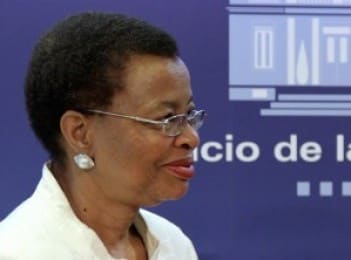
Graça Machel
Eusébio
Eduardo Mondlane
Joaquim Chissano
Mia Couto

Paulina Chiziane
José Craveirinha

Malangatana Ngwenya
Wazimbo
Mingas
Neyma
Maria Mutola
Mário Coluna
Must-try Mozambican food

Frango piri-piri
Chicken split flat, basted with bird's eye chilli, garlic and lemon, and taken slowly over coals. The peri-peri that travelled the world left from this coast.
Matapa
Cassava leaves pounded and cooked down in coconut milk with ground peanuts, usually with prawn or crab through it. Served over rice or xima, and the dish to judge a kitchen on.
Xima
Stiff white maize porridge, the everyday starch of the country, eaten by hand with whatever sauce comes with it. Ordering it instead of rice is the small choice that changes the meal.
Frango à Zambeziana
Chicken marinated in coconut milk, garlic and lime, then grilled over charcoal. Zambezia's contribution to the national menu and the gentler cousin of the peri-peri version.
Mucapata
Rice cooked down with mung beans and coconut milk until it sets like a pudding. A Quelimane dish, and a side rather than a main.
Cacana
A bitter creeping vine cooked with peanut flour and coconut in the manner of matapa. Southerners defend it fiercely and first-timers rarely finish the plate.
Camarão grelhado
Tiger prawns grilled with garlic butter and chilli, sold by the kilo on the beach and by the plate in Maputo. The dish the country exports its reputation on.
Caril de caranguejo
Crab curry thickened with coconut, eaten with fingers and something to crack the shells with. The Indian Ocean trade route on one plate.
Peixe grelhado
Whatever the boat brought in that morning, salted and grilled whole over coals: red snapper, kingfish, barracuda. Ask what came in rather than reading the menu.
Chamussas
The Mozambican samosa, fried to order and sold at every bus stop and street corner. Beef, chicken or prawn, and always with piri-piri on the side.
Badjias
Fritters of ground beans raised with yeast, heavy on garlic, eaten hot out of the pan. The other half of every chamussa stall.
Pãozinho
The small Portuguese roll that outlived the empire, baked twice a day and the reason breakfast here is bread rather than porridge.
Castanha de caju
Cashews, roasted and salted and sold at every roadside. Mozambique is the largest processor of them in Africa, and the price says so.
Bolo polana
Cashew and potato cake, named for the Polana neighbourhood of Maputo. Dense, nutty and the country's signature bake.
Doce de coco
Coconut cooked down with sugar into a chewy sweet, cut into squares and sold off trays at markets and bus stops.
2M & Laurentina
The two beers the country argues about, both brewed by Cervejas de Moçambique. 2M is the lager of the south; Laurentina comes as two lagers and a stout.
R&R
Tipo Tinto rum and raspberry Sparletta over ice, the drink of the southern beach towns and of every South African who has driven to Ponta do Ouro.
Chá de Gurué
Tea from the estates on the slopes below Mount Namuli in Zambezia, the largest tea-growing district in the country and the one worth asking for by name.