

Most first trips split between the coast and the volcanoes, and the drive between them is under an hour. La Libertad is the surf base: the point at Punta Roca breaks below the town, and El Tunco and El Zonte sit a few minutes west along the coast road, which is where the government's Surf City work has concentrated. Inland, Santa Ana is the western hub, with the Ilamatepec crater above it and Lake Coatepeque in the caldera below. The Ruta de las Flores runs the ridge south of it through Juayúa and Concepción de Ataco, coffee towns with weekend food fairs and a mural on most walls. San Salvador holds the museums, the cathedral where Óscar Romero is buried, and Joya de Cerén half an hour north. Suchitoto is the quiet colonial town on the lake, an easy overnight from the capital. With ten days, carry on east to Perquín for the war museum in the Morazán hills and La Unión for the boats out to the Gulf of Fonseca islands.
1 El Salvador city guide
Fun fact
Joya de Cerén, north-west of San Salvador, is the only place in the Maya world where an ordinary farming village survives rather than a temple complex. The Loma Caldera eruption buried it under several metres of ash around AD 600, sealing houses, storerooms, planted fields and the meal that was being cooked, and UNESCO inscribed it in 1993 as the country's only World Heritage site.
Stereotypes, sorted out
The realityIt is not, and visitor numbers say so: the tourism ministry counted 3.9 million foreign arrivals in 2024, up 17 per cent on the year before, with 39 per cent of them from the United States. Homicides have fallen steeply since 2015. The context most governments still flag is the state of exception in force since March 2022, which suspends some constitutional guarantees and is renewed monthly, and which human rights organisations have criticised for mass arbitrary detention. That is a real thing to read about before you book, and it is a different question from whether the coast road is calm. Check your own foreign ministry's current advice, and treat the capital at night the way you would any Central American capital.
The realityIt is the one Central American country you can genuinely see from a single base. The coast is under an hour from the capital, Santa Ana and the flower route under two, Suchitoto about ninety minutes, and only the far east asks for a second bed. Backpackers pass through in three days because the bus route makes that easy, not because three days is what the country holds.
The realityEl Salvador dropped the colón for the dollar in 2001, which removes the exchange question and changes nothing about local prices. Comedor meals, pupuserías, buses and small hotels are priced for local wages, and the country is generally cheaper than Costa Rica or Panama. What the dollar does change is practical: bring small bills, because change for large notes is scarce outside cities.
The realityIt is mostly dark volcanic sand, rock and cobble, and that is exactly why the surf is good: Punta Roca is a long right-hander over a rock bottom, and a World Surf League tour event has run there every year since 2021. The sandy stretch is the Costa del Sol east of the capital. If you want a swimming beach rather than a wave, ask where the shore break is, because it is heavy in places.
The realityIt is its own thing: a thick corn or rice cake with the filling worked into the dough before it hits the griddle, not folded around it afterwards. Cheese, refried beans and chicharrón are the standard three, revuelta is all of them, and loroco (a flower bud) with cheese is the one to try. It is the national dish by legislative decree, and the same 2005 decree made the second Sunday of November National Pupusa Day.
How to get it right
- Pupuserías are an evening habit rather than a lunch one. Many open late afternoon and cook to order, so a queue is a good sign and a wait of fifteen minutes is normal.
- Curtido and salsa arrive with the pupusas and are not extra. Take the curtido with your fingers or the spoon in the jar, and eat the pupusa with your hands.
- Buses stop where people are, not only at marked stops. Say your destination as you board, keep small coins ready, and be aware that most services wind down well before dark.
- Óscar Romero is not a tourist attraction to locals. The cathedral crypt and the chapel where he was shot are places people still come to pray, so keep your voice down and your camera low.
- Ask before photographing anyone, especially in the flower-route towns, where the murals draw a lot of lenses and the residents live behind them.
- The greeting is unhurried. Buenos días before the question, not after it, in a shop, a bus office or a police checkpoint alike.
Famous Salvadoran faces

Óscar Romero
Jorge "Mágico" González
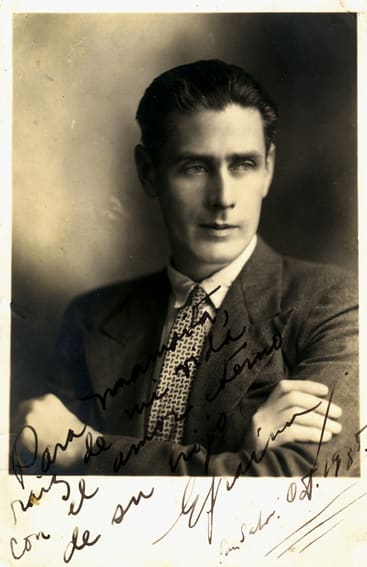
Salarrué

Claudia Lars
Roque Dalton
Fernando Llort
Consuelo Suncín de Saint-Exupéry

Prudencia Ayala

Manlio Argueta

Alberto Masferrer
Julia Díaz
Camilo Minero

Álvaro Torres
Mauricio Cienfuegos

Bryan Pérez
José Matías Delgado

Nayib Bukele
Must-try Salvadoran food

Sopa de pata
Cow's foot and tripe simmered with corn, plantain and yuca into a thick weekend soup. Slow, cheap and taken seriously.

Mariscada
The coast's big shared dish: a creamy seafood soup with shrimp, crab and fish, served everywhere from La Libertad's pier to the eastern beaches.
Pupusa revuelta
The default order: cheese, refried beans and chicharrón worked into one corn cake and griddled. Ask for rice dough (arroz) if you want the lighter western version.
Pupusa de queso con loroco
Cheese with loroco, the flower bud of a climbing vine, which tastes green and faintly like artichoke. The one order that does not exist anywhere else.
Curtido
Lightly fermented cabbage with carrot, onion and oregano, sharpened with vinegar. It arrives with the pupusas, it is not a side order, and it is what stops them being heavy.
Tamales de elote
Fresh corn ground and steamed in its own husk, sweeter and softer than a Mexican tamal, eaten with cream.
Yuca frita con chicharrón
Fried cassava under fried pork and curtido, sold from a bandeja at markets and fairs. The Sunday version comes boiled instead of fried.
Pan con pollo
A crusty roll loaded with slow-cooked chicken, salad and a thin spiced sauce that soaks the bread. The standard evening street order, and a fixture of the November feasts.
Riguas
A corn pancake grilled in banana leaf until the edges char, sold at roadside stalls on the flower route with cream or beans.
Cóctel de conchas
Black cockles from the mangroves, served raw in their own juice with lime, onion and chilli. Ordered at the market, not at a restaurant.
Quesadilla salvadoreña
Nothing to do with the Mexican dish: a dense sweet cheese loaf with sesame on top, baked for breakfast and taken with coffee.
Empanadas de plátano
Ripe plantain wrapped around milk custard or beans, fried and rolled in sugar. Sold from the same stalls as the pupusas, later in the evening.
Atol de elote
Warm, thick drink of fresh corn, milk and cinnamon, ladled from a pot at markets. Drink it before the corn settles.
Horchata de morro
Not the Mexican rice horchata: the Salvadoran version is built on toasted morro seeds with cacao and spices, darker and nuttier, and served cold with pupusas.
Salvadoran coffee
Grown on the Apaneca and Santa Ana ridges, mostly bourbon and pacas varieties, and best drunk on the finca where it is picked between the November and February harvest.