The all-inclusive is the version most people book, and it is one coastline out of four. Behind the resorts are the oldest European city in the Americas, the highest mountains in the Caribbean, and a southwest corner that looks nothing like the brochure.
10,760,028
People
≈3,100 m
Pico Duarte
1498
Santo Domingo founded
Region
Best months
Feb · Mar · Apr
Ideal length
10–14 days
Budget / day
$60–140
Language
Spanish
Getting around
Hire car, coach lines & guaguas
When to visit Dominican Republic
A dry winter, a wet and cheap summer, and a storm season in between that decides the calendar.
Best: February to April, dry and walkable, with whales in Samaná Bay into March Peak: December and January, when the holidays fill the resorts and prices follow Good: May to July, hotter and wetter at the edges, and much cheaper for it Hardest: August to October, the heart of the hurricane season
Quick answer · where to go in the Dominican Republic
Pick a coast, then decide whether you are leaving it. Punta Cana and Bávaro are the resort belt and the easiest landing, with Bayahibe and the boats to Saona an hour west. Santo Domingo is the counterweight: the Zona Colonial is a UNESCO-listed grid of firsts, and it is a short flight or a three-hour drive away. The north coast around Puerto Plata, Sosúa and Cabarete is windier, greener and cheaper, and it is where the surfing and kiting live. Samaná is the peninsula for whales in season, waterfalls and the quietest sand. Inland, Jarabacoa and Constanza sit in the mountains at a temperature nobody expects from the Caribbean, and the southwest past Barahona is the wildest quarter. Ten days lets you pair a coast with the capital. Two weeks lets you add the mountains without driving tired.
The Caribbean’s highest ground and its lowest both sit in the Dominican Republic, about 85 kilometres apart. Pico Duarte rises to roughly 3,100 metres in the Cordillera Central, and Lake Enriquillo lies 46 metres below sea level in the southwest, a saltwater lake with crocodiles in it.
Stereotypes, sorted out
The clichés you have heard, what is actually true, and how to fit in.
"It is a resort with a country attached."
The realityThe all-inclusive strip runs along a fraction of a coastline that goes on for well over a thousand kilometres, and the rest of the country is not built around it. Santo Domingo is a working capital of three million people with a colonial quarter on the UNESCO list. Santiago runs the Cibao valley and answers to nobody in Punta Cana. The mountains grow strawberries and coffee. You can spend two weeks here and never see a wristband.
"The Caribbean is flat, hot and sandy."
The realityNot this island. The Cordillera Central holds the four highest peaks in the Caribbean, Pico Duarte is a three-day walk from Jarabacoa, and Constanza sits high enough that frost is recorded there in winter. Ninety minutes from a beach you are in pine forest wearing a jacket. The southwest adds a desert and a saltwater lake below sea level to the list.
"It is the same as Haiti, and that makes it risky."
The realityThey share one island and very little else: different languages, different currencies, different histories, and a border most visitors will never go near. The tourist regions sit on the eastern and northern coasts, hours away from it. Read your own government’s current advice rather than a headline, because it moves, and note that it distinguishes clearly between the two countries.
"Everything shuts once the sun goes down."
The realityThe opposite. Music is played loudly and in public, the colmado on the corner is a shop by day and a bar by night, and merengue and bachata are national output rather than folklore. Baseball is the other half of it: the winter league runs from October, the stadiums are loud, and half the players have major-league contracts in the summer.
Everyone plays baseball. Enough of them do that the country sends more players to the major leagues than anywhere outside the United States, and San Pedro de Macorís alone has produced a startling share of them.The food is bland. Dominican cooking is not chilli-hot, which is a different thing: it is built on oregano, garlic, sour orange and long stewing, and the heat is on the table as a bottle of pique.It rains all summer. It rains in the afternoon, briefly, and mostly on the north coast in the wrong months. The dry season on the south and east runs through the winter.Everyone speaks English. In the resorts, largely yes. Fifteen minutes inland, no, and Dominican Spanish is fast and clipped, with the ends of words trimmed off.It is cheap. The resort trade is priced for the Atlantic market and Punta Cana is not a bargain. Away from it, on guaguas and in comedores, the country is genuinely inexpensive.The beaches are all the same. The Atlantic north coast has surf, wind and reef; the Caribbean south and east are calmer, warmer and clearer. Choosing the wrong one for the sport you had in mind is the classic first-trip mistake.
Cultural notes worth knowing
Greet before you ask. Walking up to someone and starting with a question reads as rude. A buenos días first, and the answer will be warmer.
The colmado is the social centre of a Dominican street: groceries, cold beer, a speaker and everyone who lives nearby. It is the easiest place in the country to end up in a conversation.
Music is public property. Volume is not considered a private matter, and neither is dancing. Being asked to dance merengue is a courtesy, not a test, and nobody minds that you cannot.
Dominicans dress carefully, and being visibly scruffy in a city reads worse than it does at home. Swimwear stays at the beach; the Zona Colonial is a neighbourhood, not a resort.
Time is elastic socially and strict commercially. A dinner at eight means later; a bus at eight leaves at eight.
Beckon with the hand down, not up, and point with your lips or chin rather than a finger. Both are ordinary here and both surprise visitors.
The word for a foreigner you will hear most is not an insult, and neither is a comment on your appearance shouted across a street. It is meant as attention rather than aggression, and it is fine to keep walking.
Famous Dominican faces
The names behind Dominican baseball, music, screen and letters. Pick a field.
Juan Luis Guerra
Songwriter and bandleader, and the artist who carried merengue and bachata to a global audience
Pedro Martínez
Pedro Martínez
Hall of Fame pitcher, and one of the most dominant of any era
Óscar de la Renta
Fashion designer from Santo Domingo who dressed American first ladies for half a century
David Ortiz
Hall of Fame hitter, and the face of three Boston World Series titles
Zoe Saldaña
Zoe Saldaña
Dominican-American actor at the centre of the biggest film franchises of the century
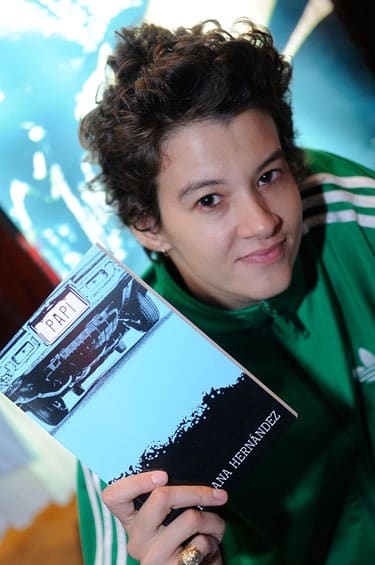
Julia Álvarez
Novelist, and the author of In the Time of the Butterflies and How the García Girls Lost Their Accents
Juan Pablo Duarte
Founding father of the republic, and the man the Caribbean’s highest peak is named after
The Mirabal sisters
The Mirabal sisters
Patria, Minerva and María Teresa, murdered in 1960 for opposing the Trujillo dictatorship; the UN marks the date as its day against violence against women
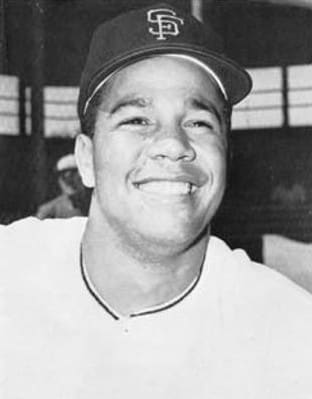
Juan Marichal
The first Dominican elected to the Baseball Hall of Fame, in 1983
Vladimir Guerrero
Hall of Fame outfielder, and the most feared bad-ball hitter of his generation
Albert Pujols
Three-time Most Valuable Player, and past 700 career home runs
Robinson Canó
One of the most decorated second basemen of his era, across two decades in the majors
Juan Soto
Outfielder, a World Series winner with Washington in 2019 and the most disciplined hitter of his generation
Félix Sánchez
Olympic champion in the 400 metres hurdles in 2004 and again in 2012, and the country’s first gold medallist
Marileidy Paulino
Marileidy Paulino
Olympic 400 metres champion in Paris in 2024, and world champion the year before
Romeo Santos
Romeo Santos
Front man of Aventura, and the artist who moved bachata into stadium pop
Johnny Ventura
Merengue bandleader who set the template for the modern big band
Milly Quezada
Known as the queen of merengue, and a fixture of the genre since the 1970s
Rita Indiana
Novelist and musician working between merengue, electronic music and Caribbean literature
Michelle Rodríguez
Michelle Rodríguez
Actor of Dominican and Puerto Rican descent, in the Fast & Furious and Avatar franchises
Dascha Polanco
Actor born in Santo Domingo, best known for Orange Is the New Black
Manny Pérez
Manny Pérez
Actor and producer, and one of the most recognisable faces of Dominican cinema
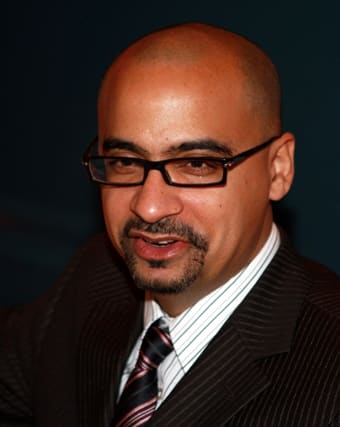
Junot Díaz
Won the Pulitzer Prize for fiction in 2008 for The Brief Wondrous Life of Oscar Wao
Pedro Henríquez Ureña
Essayist and philologist, and one of the most influential Latin American critics of the twentieth century
Jenny Polanco
Jenny Polanco
Designer who built a Dominican fashion language out of local craft, amber and larimar
Rafael Trujillo
Dictator from 1930 until his assassination in 1961, and the shadow over most of what has been written about the country since
Joaquín Balaguer
President across three separate spells between 1960 and 1996, and the dominant political figure of the century’s second half
Luis Abinader
Luis Abinader
President since 2020, re-elected in 2024
Must-try Dominican food
Rice, plantain and long stewing at the centre, and a fried counter around it. Pick a category.
Sancocho
A thick stew of several meats and root vegetables, cooked slowly and served with rice and avocado. The dish for a crowd, a holiday, or a cold night in the mountains.
Locrio
Rice cooked in the same pot as the meat that flavours it, chicken most often. The Dominican cousin of a paella or a jollof.
Moro de guandules
Rice and pigeon peas cooked together, with coconut milk on the south coast. Christmas food that people eat all year.
Pescado frito
A whole fish fried and served with tostones at a table on the sand. The default lunch anywhere the road meets the sea.
Habichuelas con dulce
Sweet cream of red beans with coconut milk, sweet potato, cinnamon and raisins, served cold. Eaten at Easter, and almost nowhere else on earth.
La bandera dominicana
Rice, stewed beans and meat on one plate with salad beside it. Lunch, most days, in most houses. The name means the Dominican flag.
Mangú
Green plantains boiled and mashed with a little of their own water, under pickled red onion. With fried cheese, salami and egg it becomes los tres golpes, the standard breakfast.
Chivo guisado
Goat stewed with oregano and often a splash of rum. The northwest around Monte Cristi claims it, because the goats there graze on wild oregano.
Asopao
Somewhere between a soup and a risotto: rice cooked loose in stock, with chicken or shrimp.
Chicharrón
Pork fried until it cracks, sold by the bag at roadside stands on every highway out of the capital.
Yaniqueques
A thin disc of fried dough, salty and blistered, sold along the sand at Boca Chica. The name is what the island did to “johnnycake”.
Pastelitos
Fried turnovers filled with beef, chicken or cheese. Breakfast, snack and bus-station food, in that order.
Kipes
A fried bulgur and beef torpedo, brought by Levantine migrants a century ago and now completely Dominican.
Tostones
Green plantain fried, flattened, fried again and salted. The default side, and the vehicle for everything else.
Mofongo
Fried plantain mashed in a wooden pilón with garlic and crackling, packed into a bowl and often filled with shrimp.
Pescado con coco
Fish poached in coconut milk with tomato and sweet peppers. The signature of the Samaná peninsula, and worth planning a lunch around.
Camarones al ajillo
Shrimp in garlic and butter, on the menu of every beachfront kitchen on both coasts.
Dulce de leche cortada
Milk curdled deliberately with lime, then cooked down with sugar and cinnamon into a grainy, sliceable sweet.
Morir soñando
Orange juice and milk over ice, mixed cold so it does not split. The name means “to die dreaming”.
Mamajuana
Rum, red wine and honey steeped in a bottle of bark and herbs. Sold everywhere, drunk in small glasses.
Café dominicano
Grown in the Cordillera and drunk small, black and sweet, at any hour of the day.
Dominican Republic travel FAQ
How many days do you need in the Dominican Republic?+
A week is enough for one region done properly: a resort base with day trips, or the north coast, or the capital with the east. Ten days lets you pair a coast with Santo Domingo and still have beach days. Two weeks is what the country actually rewards, because it lets you add the mountains or the southwest, and those are the parts nobody expects. Distances look small on the map and take longer on the road, so plan fewer bases rather than more.
Is it worth leaving the all-inclusive resort?+
Yes, and it is easier than the resort desk suggests. Bayahibe and Saona island are a straightforward day from the Punta Cana strip, Santo Domingo is a long day trip or a much better overnight, and Higüey and the inland towns are ordinary Dominican life half an hour from the gate. If the whole trip is the resort you will have had a good holiday in a place you never visited.
When is hurricane season, and does it ruin a trip?+
The Atlantic season runs from the start of June to the end of November, and the risk is concentrated in the second half of it, with the statistical peak in September. Most summer weeks pass with nothing worse than a heavy afternoon shower, and prices in that window are the lowest of the year. If you travel then, buy insurance that covers weather disruption and pick accommodation that will move you rather than one that will not refund you.
Do you need a car, or can you get around by bus?+
You can do the whole country without a car. Caribe Tours, Metro and Expreso Bávaro run air-conditioned coaches between the main cities, and guaguas, the shared minibuses, fill every gap between them. A hire car earns its keep in two places: the Samaná peninsula and the southwest past Barahona, where the point is stopping wherever the coast looks good. Driving is assertive rather than dangerous, and the motorway tolls are worth it.
Is the Dominican Republic safe to travel?+
The ordinary rules of a middle-income country apply: petty theft is the real risk, violent crime is concentrated in places visitors have no reason to be, and the tourist areas carry a dedicated tourist police force. Use registered taxis or an app rather than a street car at night, keep a phone out of sight in a city, and read your own government’s current advice, which is specific about neighbourhoods rather than the country as a whole.
Which airport should you fly into?+
Punta Cana takes the most international traffic and is the right choice for the eastern resorts. Las Américas, outside Santo Domingo, is the one for the capital and the south. Puerto Plata serves the north coast and Cabarete, Santiago serves the Cibao and the mountains, and Samaná has a small airport of its own. Flying into one and out of another is often cheaper than doubling back, and it is worth pricing before you book a round trip.
Know before you go
The essentials for planning a Dominican Republic trip.
Currency
Dominican peso (DOP)
The peso is written RD$, and the US dollar is quoted alongside it in the resort areas, on excursions and in property listings. Away from those, prices are in pesos and paying in dollars costs you on the rate. Cards work in cities, hotels and supermarkets; a colmado, a guagua, a beach kitchen and a motoconcho all want cash, so carry small notes.
Language
Spanish
Spanish is the official language and Dominican Spanish is fast, with the ends of words worn away and an accent of its own. English is the working language of the resorts and the excursion trade and is widely spoken on the north coast, where the expatriate community is large. Fifteen minutes inland it is not, and a few phrases change the temperature of every interaction.
Calling code
+1 (809, 829 and 849)
The country is inside the North American numbering plan, so a call from the United States or Canada is dialled like a domestic one and roaming often behaves as though it were. Three area codes are in use and all must be dialled in full, even locally. Local SIM and eSIM data is cheap and easy to buy at the airport.
Power
110V, 60Hz, Type A and B
The same sockets and voltage as the United States and Canada, so no adapter is needed if you are coming from either. From Europe you need a plug adapter and a device rated for 110V. Power cuts are a normal part of life outside the resorts, which is why hotels and apartments advertise having their own generator or an inverter.
Emergency
911
One number covers police, fire and ambulance, and it is free to call and answered around the clock. The national system started in 2014 and has been extended province by province since, so coverage is best in the cities and the tourist regions and thinner in remote areas, where a call is passed to the local force instead. CESTUR, the tourist police, works the resort areas and has its own app.
Every traveller files the e-Ticket, a single online form covering immigration, customs and health, once before arriving and again before leaving. It is free on the official government portal, it produces a QR code you show at the airport, and resellers charging for it are selling you nothing. Citizens of the United States, Canada, the United Kingdom, the EU and around a hundred other countries need no visa for a tourist stay of up to thirty days; the old paper tourist card is now bundled into the airfare. Check the official portal for your own nationality before you fly.
There is no passenger rail network between cities, so the country moves by road. Caribe Tours, Metro and Expreso Bávaro run comfortable scheduled coaches between the main towns and airports. Guaguas, the shared minibuses, cover everything the coaches miss and leave when they are full rather than on a timetable. In Santo Domingo there is a metro and a cable car, and ride apps work in the big cities. Motoconchos, the motorbike taxis, are how short distances are covered everywhere and come with no helmet unless you insist.
Service charge
10 percent is already on the bill
Restaurants add a legally mandated 10 percent service charge, the propina legal, and it is shared among the staff rather than going to your server. Rounding up or leaving a little extra in cash for good service is normal and appreciated, but you are not starting from zero. Hotel porters, guides and drivers are tipped directly.
Tax
18 percent ITBIS on most bills
ITBIS is the value-added tax and it is added on top of listed prices in restaurants and shops, alongside the service charge. A menu price is therefore not the price you pay, which surprises people used to tax-inclusive pricing in Europe. Hotel rates usually quote a separate tax line as well, so read the total before you compare two quotes.
The Atlantic season opens on the first of June and closes at the end of November, and activity concentrates from August into October, with the statistical peak in September. Most trips in that window see only heavy afternoon rain, and it is the cheapest and quietest time to travel. Watch the National Hurricane Center rather than a forecast app if you are travelling late in the season, and buy insurance that covers weather disruption.
Baseball
The winter league runs October to January
LIDOM plays through the northern winter, which is the opposite of the major-league calendar and the reason major-league Dominicans often turn out at home. Six teams, loud stadiums, live bands in the stands, and tickets that cost a fraction of anything comparable in the United States. The final leads into the Caribbean Series in February.
Which coast
Atlantic for wind, Caribbean for calm
The north coast faces the open Atlantic: bigger surf, reliable trade winds and the reason Cabarete is a kiteboarding capital. The south and east face the Caribbean, and the water there is calmer, warmer and clearer, which is why the resorts and the diving centres are strung along it. Rip currents are a real hazard on unpatrolled Atlantic beaches, so pick your coast for the holiday you actually want.
Water
Drink bottled or filtered
Tap water is treated but not reliably drinkable, and locals do not drink it either. Bottled water is sold everywhere and homes and hotels use large refillable botellones, which is the cheaper and less wasteful option if you are staying put. Ice in restaurants and resorts is made from purified water and is fine.
Planning a Dominican Republic trip?
One fully-researched destination (ranked, mapped and paired with video) in your inbox every Thursday.