Don't be a tourist, be a traveler, world in motion
Plan a trip
Live destination map
◆ Country guide · Central Andes

Top 10s across Bolivia

Salt flats, a 3,600-metre capital, colonial silver towns and a slice of the Amazon, inside one landlocked country. Bolivia asks more of a traveller than its neighbours and pays it back in landscapes nowhere else keeps.

2
City guides
11.4M
People
2
Video guides
Region
Bolivia, Wimup country guide
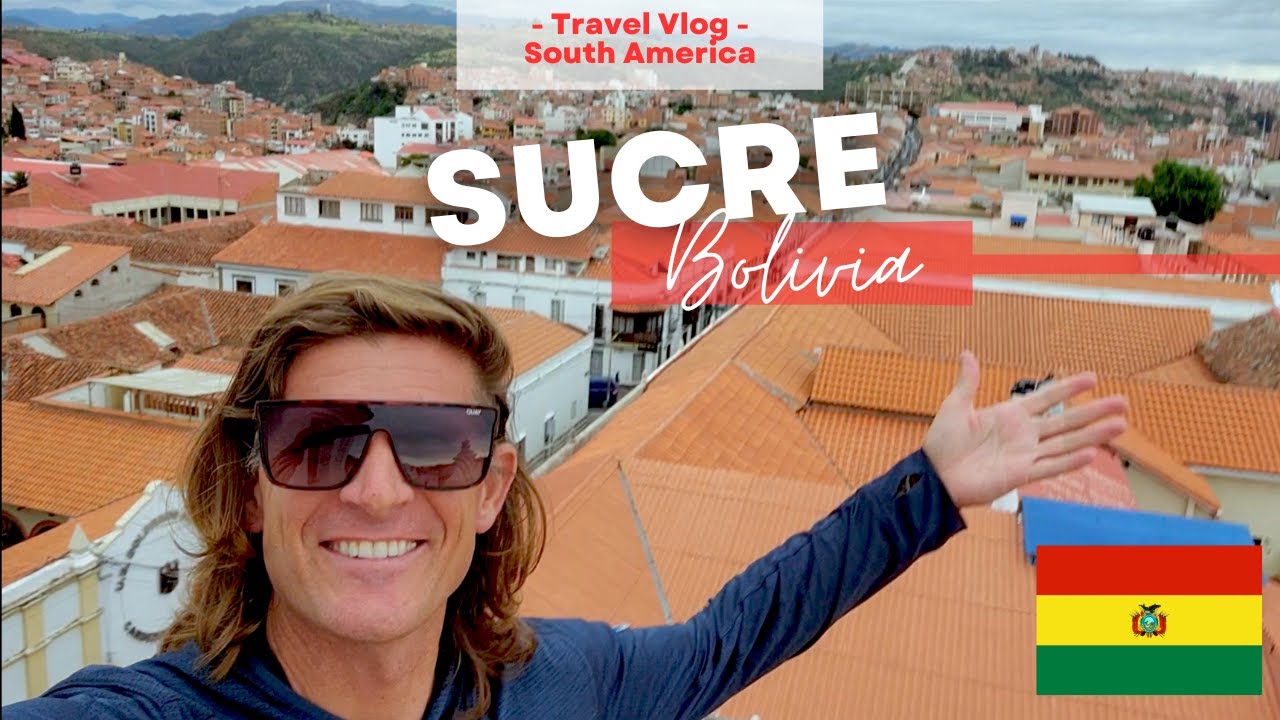
Sucre, BoliviaSucreLa Paz, Bolivia, Wimup city guideLa Paz
Silpancho, Bolivia (Wimup)Silpancho
Best months
May · Jun · Sep
Ideal length
10–14 days
Budget / day
$35–70
Language
Spanish · Quechua · Aymara
Getting around
Buses & domestic flights

When to visit Bolivia

The dry half is easier. The wet half is when the salt flat turns to mirror.
Full month guide →
Jan
Feb
Mar
Apr
May
Jun
Jul
Aug
Sep
Oct
Nov
Dec
Best, dry roads and thinner crowds Peak, dry days and freezing nights (book Uyuni ahead) Good, wet season and the salar mirror Off, the rains build across the lowlands
Quick answer · where to go in Bolivia

Start in La Paz and give it a slow first day, because the city sits at 3,640 metres and the airport above it is higher still. Then run south for Uyuni and the salt flat, and Potosí for the silver mountain that bankrolled an empire. Sucre is the softer landing, lower and warmer, and the place people stay on to study Spanish. Add Santa Cruz or Rurrenabaque when you want the lowlands. The dry window is May to October; December to April floods the salar into a mirror and makes the roads a gamble.

2 Bolivia city guides

Sorted by what travellers are saving this month.

Fun fact

One number worth knowing

Bolivia has two capitals. Sucre is the constitutional capital and keeps the Supreme Court; La Paz has held the government and the legislature since 1899, after a civil war settled the argument.

Stereotypes, sorted out

The clichés you have heard, what is actually true, and how to fit in.
"Bolivia is dangerous"

The realityThe real risk is petty theft in bus terminals and crowded markets, not violence aimed at travellers. Keep your bag in front of you, use a booked taxi or an app after dark, and the rest is ordinary caution.

"The altitude will ruin your trip"

The realityIt will shape it, not ruin it. Land, do very little for a day, drink water, eat light and skip the alcohol. Coca tea is what locals reach for, and pharmacies sell altitude tablets over the counter.

"It is all salt flat"

The realityThe salar is one stretch of a country that also holds Lake Titicaca, cloud forest, the Amazon basin and vineyards around Tarija grown at some of the highest altitudes anywhere.

"Nobody speaks anything but Spanish"

The realitySpanish carries you everywhere, but Quechua and Aymara are first languages for millions in the highlands, and the constitution makes them official alongside Spanish and 34 other Indigenous languages.

"Everything is dirt cheap"

The realityMarkets, set lunches and long-distance buses are. Uyuni tours, jungle lodges and domestic flights are priced like the logistics they involve, so budget them separately.

Perspective photos on the salt flatCholitas in bowler hatsCoca tea for the altitudeThe Death Road descentLlamas in every frameTwenty-hour night busesTalismans from the Witches’ Market

Cultural notes that actually help

  • Open with buenos días before you ask anything. In a shop, a taxi or an office, it sets the tone of the whole exchange.
  • Almuerzo is the main meal, roughly noon to two, and the set menu is the best value of the day.
  • Carry small notes. Change for a 100 boliviano bill is hard to find outside the cities.
  • Bargain lightly in markets and not at all on food. Those margins are already thin.
  • Ask before photographing people, especially cholitas and at festivals. A refusal is common and final.
  • Road blockades close highways at short notice. Leave slack on any day that ends with a flight.
  • Sundays empty the cities. Plan a market and a long lunch, and leave shops and offices for the week.

Famous Bolivian faces

The names behind the country’s politics, letters, music, sport and art. Pick a field.
Evo Morales, Bolivia (portrait via Wikimedia Commons)

Evo Morales

The country’s first Indigenous president, in office from 2006 to 2019
Juana Azurduy de Padilla, Bolivia (portrait via Wikimedia Commons)

Juana Azurduy de Padilla

Chuquisaca guerrilla commander in the independence war, made a lieutenant colonel.
Simón Iturri Patiño, Bolivia (portrait via Wikimedia Commons)

Simón Iturri Patiño

Tin magnate nicknamed the Andean Rockefeller, among the richest men alive when he died
Jaime Escalante, Bolivia (portrait via Wikimedia Commons)

Jaime Escalante

Maths teacher whose East Los Angeles calculus classes became the film Stand and Deliver
Adela Zamudio, Bolivia (portrait via Wikimedia Commons)

Adela Zamudio

Poet and educator credited with founding the country’s feminist movement
Marco Etcheverry, Bolivia (portrait via Wikimedia Commons)

Marco Etcheverry

Playmaker nicknamed El Diablo, widely rated the finest Bolivian footballer
Luzmila Carpio, Bolivia (portrait via Wikimedia Commons)

Luzmila Carpio

Singer in Quechua and Spanish who later served as ambassador to France
Evo Morales, Bolivia (portrait via Wikimedia Commons)

Evo Morales

The country’s first Indigenous president, in office from 2006 to 2019
Víctor Paz Estenssoro, Bolivia (portrait via Wikimedia Commons)

Víctor Paz Estenssoro

MNR founder and three times president, who nationalised the tin mines after 1952.
Juana Azurduy de Padilla, Bolivia (portrait via Wikimedia Commons)

Juana Azurduy de Padilla

Chuquisaca guerrilla commander in the independence war, made a lieutenant colonel.
Simón Iturri Patiño, Bolivia (portrait via Wikimedia Commons)

Simón Iturri Patiño

Tin magnate nicknamed the Andean Rockefeller, among the richest men alive when he died
Adela Zamudio, Bolivia (portrait via Wikimedia Commons)

Adela Zamudio

Poet and educator credited with founding the country’s feminist movement
Alcides Arguedas, Bolivia (portrait via Wikimedia Commons)

Alcides Arguedas

Novelist and historian whose Raza de bronce set the terms of Bolivian indigenism
Jaime Saenz, Bolivia (portrait via Wikimedia Commons)

Jaime Saenz

Poet and novelist of La Paz, the writer the city’s own literature is measured against
Edmundo Paz Soldán, Bolivia (portrait via Wikimedia Commons)

Edmundo Paz Soldán

Contemporary novelist, the best known Bolivian writer working today
Luzmila Carpio, Bolivia (portrait via Wikimedia Commons)

Luzmila Carpio

Singer in Quechua and Spanish who later served as ambassador to France
Marco Etcheverry, Bolivia (portrait via Wikimedia Commons)

Marco Etcheverry

Playmaker nicknamed El Diablo, widely rated the finest Bolivian footballer
Marcelo Martins Moreno, Bolivia (portrait via Wikimedia Commons)

Marcelo Martins Moreno

The national team’s all-time top scorer and most-capped player
Jaime Escalante, Bolivia (portrait via Wikimedia Commons)

Jaime Escalante

Maths teacher whose East Los Angeles calculus classes became the film Stand and Deliver
Marina Núñez del Prado

Marina Núñez del Prado

Sculptor who carved Andean figures from native woods, granite, alabaster and onyx
Gonzalo Hermosa González

Gonzalo Hermosa González

Founder of Los Kjarkas, the Cochabamba group that carried Andean folk abroad.
Marina Núñez del Prado

Marina Núñez del Prado

Sculptor who carved Andean figures from native woods, granite, alabaster and onyx

Must-try Bolivian food

Altiplano, valley and lowland cooking, plus the corn drinks that run alongside it. Pick a category.
Silpancho, Bolivia (Wimup)

Silpancho

Cochabamba’s plate. Thin fried beef over rice and potatoes, topped with a fried egg.

Pique macho, Bolivia (Wimup)

Pique macho

Shared platter of beef, sausage, chips and locoto chilli, invented in Cochabamba in 1969.

Sopa de maní, Bolivia (Wimup)

Sopa de maní

Peanut soup with beef, pasta and fried potato. The highland lunch staple.

Llajua, Bolivia (Wimup)

Llajua

The sauce on every table: locoto chillies and tomato, ground fresh. Add it to everything.

Charquekán, Bolivia (Wimup)

Charquekán

Oruro’s plate. Dried salted llama or beef, grilled, with corn, potato and cheese.

Cuñapé, Bolivia (Wimup)

Cuñapé

Warm cassava-flour rolls with fresh Santa Cruz cheese, best straight from the oven.

Singani, Bolivia (Wimup)

Singani

The national spirit, from Muscat of Alexandria grapes grown only in the high valleys.

Salteña

The national snack. Baked pastry of stewed meat, potato and broth, eaten before noon.

Anticuchos

Marinated beef heart grilled on skewers over charcoal, with potato and peanut llajua.

Chairo

Aymara soup of freeze-dried potato, lamb and vegetables, from the La Paz altiplano.

Fricasé

Pork stewed with yellow chilli and hominy, served scalding on cold altiplano mornings.

Plato paceño

Corn, potato, broad beans and fried cheese, for La Paz’s festivals in July and October.

Trucha del Titicaca

Lake trout, grilled or fried, eaten on the shore at Copacabana.

Majadito

Santa Cruz rice cooked with charque or duck, under a fried egg and sweet plantain.

Sonso de yuca

Mashed cassava and cheese, skewered and grilled. The lowland snack.

Tucumana

The fried cousin of the salteña, filled with meat, potato and pepper, under table sauces.

Api con pastel

Market breakfast. Thick spiced purple corn drink with a sugared fried pastry.

Humintas

Fresh corn dough with cheese and spices, steamed or baked in its own husk.

Chicha

Fermented Indigenous corn drink, older than the Spanish. Cochabamba is its heartland.

Mocochinchi

Dried peach simmered with sugar and cinnamon, sold cold from glass barrels on the street.

Know before you go

The essentials for planning a Bolivia trip.
Currency

Boliviano (BOB)

Cash runs the country outside the big cities. ATMs are easy in La Paz, Santa Cruz and Cochabamba and scarce beyond, and small notes matter, because change for a large bill is hard to find.

Language

Spanish · Quechua · Aymara

The 2009 constitution makes Spanish and 36 Indigenous languages official. Spanish carries you everywhere, and Quechua and Aymara are first languages for millions in the highlands.

Altitude

La Paz at 3,640 m

El Alto airport above the city sits at 4,061 metres, the highest international airport in the world, so most visitors arrive already high. Plan a slow first day and keep the hardest walking for later.

Power

230V · Type A & C

Most of the country runs at 230V, but La Paz and Viacha are on 115V and older buildings vary. Check the socket before plugging in anything that is not dual voltage.

Emergency

110 · 118 · 119

110 for police, 118 for ambulance, 119 for fire. A tourist police line also operates in La Paz, Santa Cruz and Uyuni.

Entry

Visa-free for many

Many nationalities enter visa-free, the United States since December 2025. Every foreign visitor completes the free SIGEMIG pre-registration online and shows the QR code at the border.

Getting around

Buses & domestic flights

Long-distance buses reach everything and cost little, but mountain roads are slow and the overnight legs are long. Flights between La Paz, Santa Cruz, Sucre and Rurrenabaque buy back whole days.

Tipping

Round up

Service is rarely added and a tip is not expected. Rounding up a restaurant bill, or leaving something for a guide or a driver, is normal.

Bolivia travel FAQ

How many days do you need in Bolivia?+
Ten days is the working minimum: three in La Paz to acclimatise, three for Uyuni and the southwest, and the rest for Sucre or Potosí. Two weeks lets you add the Amazon at Rurrenabaque or the Titicaca shore without rushing the altitude.
When is the best time to visit Bolivia?+
May to October is the dry season and the safe answer: clear skies, open roads and reliable flights. December to April is the wet half, harder on the roads, and the only stretch when the Uyuni salt flat floods into a mirror.
Is the altitude really a problem?+
It is manageable if you plan for it. La Paz sits at 3,640 metres and El Alto airport above it at 4,061, so most visitors land already high. Give the first day to rest, drink water, eat lightly and leave the hardest walking until later in the trip.
Do you need a visa for Bolivia?+
A long list of nationalities enters without one, and the United States was added to that list in December 2025. Every foreign visitor is now asked to complete the free SIGEMIG pre-registration online before arrival and show the QR code at immigration. Check your own passport on the migration portal before booking.
Is Bolivia cheap to travel?+
It is among the cheapest countries in South America for food, buses and simple rooms. The costs that add up are the organised ones: Uyuni tours, jungle lodges and the domestic flights that save you a twenty-hour bus.

Bolivia on Wimup Videos

City vlogs to watch before you book.
YouTube ↗
1:13:14

La Paz on Foot

12:46

Sucre on Foot

Planning a Bolivia trip?

One fully-researched destination (ranked, mapped and paired with video) in your inbox every Thursday.

Photo credits (21)