Don't be a tourist, be a traveler, world in motion
Plan a trip
Live destination map
◆ Country guide · Southern Africa

Top 10s across Zimbabwe

The Zambezi at one end, the granite hills of the Matobo at the other, and the largest sheet of falling water on the planet in between. Zimbabwe is a safari country that also does ruins, rock art and rail.

2
City guides
15,178,979
People
Region
Best months
May–Jun · Sep–Oct
Ideal length
10–14 days
Budget / day
$60–150
Language
English is official alongside Shona, Ndebele and thirteen others
Getting around
A hired car, intercity coaches, short hops by air

When to visit Zimbabwe

A long dry season that suits the whole country, and a river that peaks against it.
Full month guide →
Jan
Feb
Mar
Apr
May
Jun
Jul
Aug
Sep
Oct
Nov
Dec
Best: May, June and September, dry and cool, with game gathered on the last waterholes Peak: July and August, the busiest weeks at the falls and the hardest camps to book Good: March and April for the Zambezi at full flow, October for game viewing in real heat Rains: November to February, green and humid, some camps closed, and the cheapest time to travel
Quick answer · where to go in Zimbabwe

Almost every trip opens at Victoria Falls, and it earns the position: the widest curtain of falling water on earth, with rafting, gorge swings and sunset boats built around it. Give it two nights, then drive south to Hwange, the country's largest park and the one with the elephant herds. From there the trip splits. West and south is granite: Bulawayo, the second city and the calmest one, with the Matobo Hills an hour away for balancing boulders, rhino tracking on foot and rock art painted thousands of years before either of us. East is Harare for the galleries, the markets and the food, with Mana Pools on the Zambezi north of it, the park that lets you walk. South of the Midlands, Great Zimbabwe outside Masvingo is the stone city that gave the country its name and the reason to add days rather than swap them. Finish in the Eastern Highlands around Mutare, Nyanga and Chimanimani, which look nothing like the rest of the country: pine, mist and cold mornings. Two weeks does the loop. Ten days does the falls, Hwange and the Matobo.

2 Zimbabwe city guides

Sorted by what travelers are saving this month.

Fun fact

One number worth knowing

Zimbabwe recognises sixteen official languages in its 2013 constitution, among them Shona, Ndebele, Tonga, Kalanga, Nambya, Koisan and sign language.

Stereotypes, sorted out

The clichés you have heard, what is actually true, and how to fit in.
"Zimbabwe is Victoria Falls and nothing else"

The realityThe falls are one of five UNESCO World Heritage sites here. The others are Great Zimbabwe, the largest ancient stone structure in sub-Saharan Africa; Khami, the Torwa capital that followed it; the Matobo Hills, with rock art and the densest concentration of granite kopjes anywhere; and Mana Pools on the Zambezi, one of the few parks in Africa where you are allowed to walk unaccompanied. Most falls visitors see none of them.

"The economy collapsed, so nothing works"

The realityThe hyperinflation everyone remembers ended in April 2009, when the country abandoned its own dollar for a multi-currency system. What a visitor actually meets in 2026 is a dollarised tourism industry with excellent guides, working lodges and reliable park gates. Load shedding is real and hotels run generators. The difficulty is Zimbabwean daily life, not a Zimbabwean holiday.

"Nobody believed Africans built Great Zimbabwe"

The realityThe Rhodesian government spent decades suppressing the archaeology, and the site was credited to Phoenicians, Arabs, the Queen of Sheba, anyone but the people whose descendants lived beside it. Peter Garlake's 1973 study settled what excavation had shown since 1905: ancestral Shona built it, from the eleventh century onward, and the country took its name from it at independence.

"It is unsafe for travellers"

The realityViolent crime against visitors is rare and Zimbabwe is one of the calmer countries in the region to travel. The real hazards are ordinary ones: petty theft in city centres, driving after dark, and the police roadblocks that want your paperwork rather than trouble. The caution worth having is about political demonstrations, which visitors should simply stay away from.

"Safari here means sitting in a vehicle"

The realityZimbabwe trains what are widely reckoned the toughest professional guides in Africa, and the country is built around walking. Mana Pools is famous for it, Matobo does rhino tracking on foot, and canoe trips run the Zambezi past hippo and elephant. If a game drive has ever felt like a bus tour, this is the country that answers it.

The sunset cruise photograph, silhouette of a boat against an orange ZambeziA helicopter shot of the falls captioned as the smoke that thunders, in case nobody knewThe hundred-trillion-dollar note sold to tourists as a novelty, decades after it stopped being moneyEvery stone wall described as mysterious, when the archaeology has been settled for fifty yearsThe bungee jump off the bridge, filmed vertically and posted before the harness is offBalancing rocks introduced as though they defy gravity rather than weathering

Cultural notes that actually help

  • Greet before anything else. A handshake and an unhurried how are you come before the question, and going straight to the request reads as rude however friendly your tone. Two hands, or a hand supported at the wrist, is the respectful version.
  • Clapping is a thank you. Cupped hands clapped softly acknowledge food, a gift or a favour, with the hand shapes differing for men and women. Follow whoever is beside you and the gesture lands correctly.
  • Photograph people only after asking. Government buildings, police, the presidential residence, airports and military sites are firm no, and this is enforced rather than theoretical.
  • Age is seniority. Elders are greeted first and addressed with a title, and interrupting one carries a weight it does not carry at home.
  • Politics is best listened to rather than pronounced on. Zimbabweans discuss their own government freely and pointedly. A visitor arriving with verdicts, particularly about Mugabe, lands badly, and the conversation is more interesting if you let it come to you.
  • The Matabeleland massacres of the 1980s, known as Gukurahundi, are still a live wound in the south west and not small talk. If it comes up, it is because someone chose to raise it.
  • Dress is modest by regional standards, especially in rural areas and small towns. Beachwear at the falls is fine; the same outfit in a village is not.
  • Bargaining belongs in craft markets and nowhere else. Shops, restaurants and lodges are fixed price, and haggling over a park fee or a guide's rate reads as an insult rather than an opening.

Famous Zimbabwean faces

The names behind Zimbabwe's music, writing, sport and public life. Pick a field.
Kirsty Coventry, Zimbabwe (portrait via Wikimedia Commons)

Kirsty Coventry

Zimbabwe's most decorated Olympian, twice champion in the 200m backstroke. President of the International Olympic Committee since June 2025, the first woman and the first African to hold the office
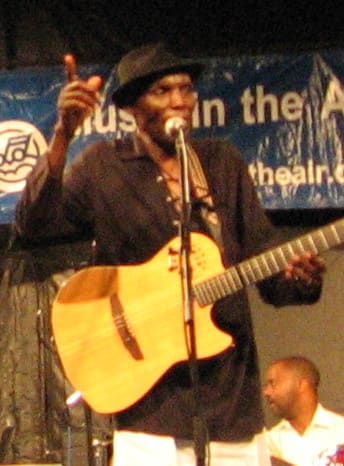
Oliver Mtukudzi, Zimbabwe (portrait via Wikimedia Commons)

Oliver Mtukudzi

Known everywhere as Tuku. Six decades of the guitar style that carries his name, and UNICEF Goodwill Ambassador for southern Africa until his death in 2019
Thomas Mapfumo, Zimbabwe (portrait via Wikimedia Commons)

Thomas Mapfumo

The Lion of Zimbabwe. Built chimurenga music out of mbira lines played on electric guitar, and sang the liberation war into being before turning the same voice on the government that followed
Tsitsi Dangarembga, Zimbabwe (portrait via Wikimedia Commons)

Tsitsi Dangarembga

Novelist and filmmaker. Nervous Conditions (1988) was the first novel in English by a Black Zimbabwean woman; This Mournable Body was shortlisted for the Booker in 2020, and she took the PEN Pinter Prize in 2021
Danai Gurira, Zimbabwe (portrait via Wikimedia Commons)

Danai Gurira

Raised in Harare. Michonne in The Walking Dead and Okoye in Black Panther, and a playwright whose Eclipsed was the first Broadway play with an all-Black, all-female cast and creative team
NoViolet Bulawayo, Zimbabwe (portrait via Wikimedia Commons)

NoViolet Bulawayo

Shortlisted for the Booker twice: We Need New Names in 2013, which made her the first Black African woman on that list, and Glory in 2022
Nick Price

Nick Price

World number one in the mid-1990s, with three majors: the PGA Championship in 1992 and 1994 and the Open in 1994
Mbuya Nehanda

Mbuya Nehanda

Spirit medium and figurehead of the First Chimurenga against British colonists in 1896. Executed in 1898, and given a statue on Harare's main avenue in 2021, the first for a Zimbabwean woman of the liberation struggle
Stella Chiweshe, Zimbabwe (portrait via Wikimedia Commons)

Stella Chiweshe

The mbira queen. Learned an instrument custom forbade women to touch, then carried it out of the underground and onto stages across Europe
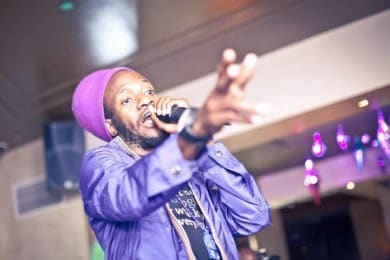
Winky D, Zimbabwe (portrait via Wikimedia Commons)

Winky D

Wallace Chirumiko, the Ninja President of Zimdancehall, and the most politically pointed songwriter working in the country
Jah Prayzah

Jah Prayzah

Military regalia, a stadium-sized take on traditional rhythms, and the biggest crossover audience of any Zimbabwean act of his generation
Dambudzo Marechera

Dambudzo Marechera

The House of Hunger won the Guardian Fiction Prize in 1979, the only African book ever to take it. He is said to have thrown plates at the chandelier when they gave it to him
Petina Gappah

Petina Gappah

Lawyer and writer. An Elegy for Easterly won the Guardian First Book Award in 2009, and Out of Darkness, Shining Light retold the carrying of Livingstone's body across Africa from the porters' side
Peter Ndlovu

Peter Ndlovu

The first African footballer to play in the Premier League, for Coventry City in August 1992, and the first to score in it
Andy Flower

Andy Flower

Zimbabwe's finest batter, and the man who wore a black armband at the 2003 World Cup to mourn the death of democracy in his country. Later coached England
Cara Black, Zimbabwe (portrait via Wikimedia Commons)

Cara Black

Doubles specialist with sixty WTA titles and long spells at world number one in the discipline
Joshua Nkomo, Zimbabwe (portrait via Wikimedia Commons)

Joshua Nkomo

Father Zimbabwe. Led ZAPU through the liberation war, signed the Unity Accord in December 1987 and served as vice-president
Robert Mugabe, Zimbabwe (portrait via Wikimedia Commons)

Robert Mugabe

Prime minister from independence in 1980, then president until the army removed him in November 2017. The argument about him is not finished here

Must-try Zimbabwean food

The staples, then the street, the bush and the lake, and everything sweet. Pick a category.

Sadza

White maize meal cooked stiff enough to hold its shape and torn by hand. The centre of the plate at almost every meal, across every group and income.

Dovi

Chicken or beef simmered in ground peanut sauce until it thickens. The dish most people name first when asked what Zimbabwe tastes like.

Muriwo une dovi

Collard greens or covo cooked down with peanut butter. Served beside sadza, and the reason vegetarians eat well here.

Nhedzi

A soup of wild mushrooms gathered after the rains, thick and deeply savoury. The ones from the spray forest at Victoria Falls have their own reputation.

Chimodho

Dense, faintly sweet cornmeal bread, eaten at breakfast or with afternoon tea. Homemade rather than bought.

Maputi

Maize kernels roasted in hot sand until they burst, bagged and sold at every bus stop and street corner. The smell is part of the country.

Braai

Meat over coals, done seriously and slowly. Beef and boerewors sausage, sadza on the side, and an afternoon rather than a meal.

Madora

Mopane worms, the caterpillar of the emperor moth, dried and then fried with onion and tomato. Chewy, smoky and a serious source of protein.

Kapenta

Tiny sardines netted at night on Lake Kariba, sun-dried and cooked with tomato and onion. Salty, strong and eaten with sadza.

Bream from Kariba

Whole tilapia grilled or fried, the standard order anywhere near the lake or the Zambezi, and worth ordering even when it is not.

Biltong

Air-dried, spiced beef or game, cut thick. Bought by weight at a butchery and eaten on every long drive in the country.

Mazhanje

The wild loquat, honey-sweet and sold in buckets at the roadside in the wet months. Zimbabwe's favourite indigenous fruit by a distance.

Matamba

Monkey orange, a hard green shell over sharp, sticky pulp. An acquired taste that turns up in sauces and iced teas as well as eaten raw.

Masau

The Indian jujube, small and tart, ripening along the Zambezi valley. Eaten fresh, dried, or fermented into something stronger.

Maheu

Fermented maize drink, thick and slightly sour, served cold. Somewhere between a soft drink and a meal, and sold everywhere in cartons.

Mazoe Orange Crush

The orange cordial Zimbabweans abroad ask visitors to bring. Diluted with cold water, and inseparable from childhood for most of the country.

Chibuku

Opaque beer brewed from sorghum or maize, sour and still fermenting in the carton. Shaken before drinking, and shared.

Zimbabwe travel FAQ

How many days do you need in Zimbabwe?+
Ten days covers the classic run: two nights at Victoria Falls, three in Hwange, then Bulawayo and the Matobo Hills. Two weeks lets you add Great Zimbabwe and either Mana Pools for walking safaris or the Eastern Highlands for cool air and hiking. Under a week, stay in the west and treat the falls and Hwange as the whole trip rather than rushing a loop that involves serious driving.
When is the best time to visit Zimbabwe?+
May to October is the dry season and the answer for most trips, with May, June and September the sweet spot: cool mornings, no rain, and wildlife concentrated on shrinking water. July and August are the same weather with more people and higher prices. If the waterfall itself is the reason you are going, March and April are when the Zambezi peaks, though the spray is heavy enough to hide the view. October is superb for game and genuinely hot.
Do you need a visa for Zimbabwe?+
Most visitors do, and getting one is straightforward: apply through the government e-visa portal before you travel, or buy a visa on arrival at the airport or land border. If your trip crosses to the Zambian side of the falls, ask for the KAZA UniVisa instead, which covers both countries and day trips into Botswana on one permit. Which category you fall into depends on your nationality, so check the official portal.
What money should you take to Zimbabwe?+
US dollars in cash, in small denominations. Tourism is priced in dollars, the local ZiG circulates alongside them and is what you will get as change, and card acceptance thins out fast once you leave the lodges and the capital. Notes need to be clean and untorn to be accepted, and hundreds are hard to break, so arrive with a stack of fives, tens and twenties.
Is Victoria Falls better from the Zimbabwe or the Zambia side?+
Zimbabwe holds roughly three quarters of the waterfall's face and the viewpoints look straight at it, so the panorama is better here and it holds up even in low water. Zambia's side puts you on top of it, at the lip and at Devil's Pool, which is thrilling in the dry months and closed when the river is high. The town on the Zimbabwean side is also the better base. The honest answer is to walk the bridge and do both, which is what the KAZA UniVisa exists for.

Know before you go

The essentials for planning a Zimbabwe trip.
Currency

US dollar and ZiG, side by side

Zimbabwe runs a multi-currency system. The Zimbabwe Gold (ZiG), introduced by the Reserve Bank in April 2024 and backed by gold and foreign reserves, circulates alongside the US dollar, and tourism is priced almost entirely in dollars. Bring clean, undamaged notes in small denominations: change for a hundred is a real problem outside the cities, and you will often be given ZiG back. Cards work in lodges, hotels and Harare restaurants and are unreliable everywhere else.

Language

English, Shona and Ndebele lead sixteen

The 2013 constitution recognises sixteen official languages. Shona is the most widely spoken, Ndebele dominates in Bulawayo and the south west, and English is the working language of government, business and every part of the tourism industry, so a visitor never needs a second one. A greeting in Shona (mhoroi) or Ndebele (sawubona) still changes the room.

Power

240V · Types D and G

British-style three-pin Type G is the modern standard and the older round-pin Type D is still in plenty of buildings, so a travel adapter that offers both is the safe buy. Load shedding is a fact of life: camps and better hotels run generators or solar, and a power bank is worth the space.

Emergency

999 general · 995 police · 994 ambulance · 993 fire

999 is the national number and works best in Harare. Outside the capital, response is thin and the practical answer is a private medical service and your lodge's own radio or satellite contact, which is what safari operators plan around. Confirm your travel insurance covers air evacuation before a remote-park booking.

Visa

e-visa, visa on arrival, and the KAZA UniVisa

Most visitors apply online at the government e-visa portal or buy a visa at the airport on arrival. The one worth knowing about is the KAZA UniVisa, a single permit covering both Zimbabwe and Zambia plus day trips into Botswana, which is exactly the shape of a Victoria Falls trip where the bridge and the far bank are half the point. Nationality decides which category you fall into, so check yours on the official portal rather than a summary.

Getting around

A hired car, intercity coaches, short flights

Distances are long and the interesting places are far apart, so most itineraries mix a hire car with a flight or two between Harare, Bulawayo and Victoria Falls. Luxury coaches run the main intercity routes and are comfortable and cheap. The National Railways of Zimbabwe still runs the overnight Bulawayo to Victoria Falls sleeper, which is slow, unreliable and the best thing on the network. A high-clearance vehicle is not optional for the parks.

Driving

On the left

Left-hand traffic, tarred main roads in reasonable condition and potholes that get serious the moment you leave them. Police roadblocks are routine: keep your licence, the hire agreement and the vehicle's reflective triangles and fire extinguisher to hand, since a missing one is the usual reason to be stopped. Do not drive between towns after dark, when unlit vehicles and livestock are the norm.

Tipping

Ten percent, and in cash

Ten percent in restaurants where a service charge has not already been added. Guides, trackers and camp staff work substantially on tips, and lodges usually explain their own arrangement at check-in. Small US dollar notes are what everyone wants and what almost nobody arrives with enough of.

Time zone

CAT (UTC+2)

Central Africa Time all year, with no daylight saving. That puts Zimbabwe an hour ahead of London in winter and level with it in summer, and on the same clock as Johannesburg year round.

National parks

Run by ZimParks

The Zimbabwe Parks and Wildlife Management Authority runs the wildlife estate, which is roughly a ninth of the country: Hwange, Mana Pools, Matobo, Gonarezhou and the rest. Entry fees are paid at the gate in US dollars, and the park-run lodges and camping sites are the affordable way to see places that otherwise cost safari money.

Planning a Zimbabwe trip?

One fully-researched destination (ranked, mapped and paired with video) in your inbox every Thursday.

Photo credits (11)