

Uganda is one decision about how far west you go, and a second about whether you add the north. The southwest is what most first trips are built on: Bwindi Impenetrable National Park for the mountain gorillas, Mgahinga under the Virunga volcanoes for golden monkeys, and Lake Bunyonyi to stop moving for two days afterwards. The western parks are the safari half and sit on the way there or back: Queen Elizabeth astride the equator with the Kazinga Channel through the middle of it, Kibale for chimpanzees, and the Rwenzori Mountains behind both for anyone who came to walk. Murchison Falls is the northern loop and the most violent thing on the river. Kidepo Valley, far up in the northeast, is the emptiest park in the country and wants a flight rather than two days of driving. Kampala and Entebbe are the arrival and the city, and Jinja is a short hop east for the Nile. Ten days does the southwest and the western parks properly. A fortnight adds the north.
1 Uganda city guide
Fun fact
The Victoria Nile carries the outflow of Lake Victoria north across Uganda, and at Murchison Falls the entire river is forced through a gap in the rock about seven metres wide before dropping 43 metres into the gorge. You can walk to the top of it. The park around the falls covers roughly 3,893 square kilometres, the largest of the ten Uganda Wildlife Authority runs.
Stereotypes, sorted out
The realityThe gorillas sit in one park in the far southwest, and reaching them takes you past almost everything else the country has. Between Kampala and Bwindi are the crater lakes at Fort Portal, the chimpanzees of Kibale, the Kazinga Channel and the tree-climbing lions of Ishasha. North of all of it the Victoria Nile runs through Murchison Falls, and behind the western parks the Rwenzori carries glaciers at 5,109 metres on the equator. The trek is an hour with a gorilla family. The trip is two weeks.
The realityThe two share a border, a mountain range and a gorilla population, and they are different products. Rwanda is compact, its roads are excellent and its permit is priced at the top of the market. Uganda is roughly nine times the size, the driving is longer and harder, the permit costs substantially less, and the country holds savannah parks, a chimpanzee forest, a glaciated range and a stretch of white water that Rwanda simply does not have. Rwanda is the better long weekend. Uganda is the better fortnight.
The realityThe eight years from 1971 are real history and Ugandans do not skirt them, but the country is more than fifty years past independence and two generations past that regime. What visitors actually meet is a young population, a capital with a music scene that exports, a coffee industry that overtook Ethiopia to become the largest exporter in Africa in 2025, and a national conversation about the future rather than the seventies. Read the history before you come. Do not arrive expecting to find it in the street.
The realityMost of Uganda sits on a plateau above 1,000 metres, which takes the edge off the heat and makes Kampala a good deal milder than its latitude suggests. Kabale and Kisoro in the southwest sit near 2,000 metres and are genuinely cold at night. Bwindi is a wet montane forest where a fleece is not optional, and the Rwenzori carries permanent ice. Pack for rain and altitude, not for a beach.
The realityUganda hosts the largest refugee population in Africa, mostly from South Sudan and the Democratic Republic of the Congo, and it does so under one of the more open policies anywhere: refugees are given land, the right to work and the right to move. The settlements are in the north and west, well away from the tourist circuit, and the policy is a deliberate national position rather than a symptom of collapse. It is one of the more interesting things about the place, and nothing to do with whether you can travel there.
How to behave
- Greet properly before you ask for anything. A good morning, a handshake and a question about the family come before business, and skipping them is the fastest way to be read as rude.
- Use your right hand to give and receive, and support your right forearm with your left hand when you hand something to an elder.
- Kneeling is still a common greeting from women to elders in Buganda, particularly outside the cities. It is a mark of respect within the culture and not something a visitor is expected to copy.
- Dress modestly away from the lodges. Shoulders covered, and trousers or a skirt below the knee, especially in the north and in any village.
- Ask before photographing anyone. Photographing government buildings, military sites, airports and police is prohibited outright.
- Public displays of affection between anyone attract attention, and the law makes that a serious matter for same-sex couples. Discretion is the practical advice every foreign ministry gives.
- Bargaining is normal in a market and rude in a shop with a price on the shelf. Keep it good-humoured either way.
- Do not hand money to children who ask for it. Every conservation organisation working around the parks says the same thing, and the porter system on a gorilla trek is the alternative it built.
Famous Ugandan faces
Joshua Cheptegei

John Akii-Bua
Jacob Kiplimo

Eddy Kenzo

Bobi Wine
Okot p'Bitek

Jennifer Nansubuga Makumbi

Winnie Byanyima

Stephen Kiprotich

Peruth Chemutai
Dorcus Inzikuru
Halimah Nakaayi

Denis Onyango

Phiona Mutesi
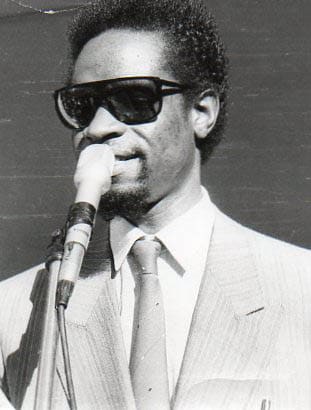
Philly Bongoley Lutaaya

Geoffrey Oryema

Jose Chameleone

Sheebah Karungi
Moses Isegawa

Doreen Baingana
Timothy Wangusa
Milton Obote

Edward Mutesa II

Idi Amin
Janani Luwum

Yoweri Museveni
Rebecca Kadaga
Must-try Ugandan food

Matoke
Green cooking bananas, peeled, wrapped in their own leaves and steamed until they collapse into something between mash and dumpling. The staple of the south and the plate everything else is served on.

Luwombo
Chicken, beef, goat or smoked fish stewed inside a tied banana-leaf parcel so nothing escapes. It was created for the Kabaka's table in Buganda and is still the dish that marks an occasion.

Eshabwe
Ankole ghee whipped with salt and a little water into a pale, cold, intensely rich sauce. A western Uganda ceremonial dish, poured over matoke or millet bread.

Firinda
Skinned broad beans cooked to a smooth purée with onion and clarified butter, a Buganda dish that turns up at weddings alongside luwombo.

Rolex
An omelette with tomato, onion and cabbage rolled inside a fresh chapati, cooked on a street griddle in about two minutes. The national street food, and nothing to do with the watch.

Chapati
Brought by Indian railway workers and completely naturalised: thicker, oilier and softer than the subcontinental version, and the base of half the street food here.

Nile perch
The other great lake fish, firm and meaty enough to hold up on a grill. Introduced into Lake Victoria in the 1950s, and it reshaped both the lake and the fishing economy on it.
Posho
Maize flour cooked down with water into a firm white block, cut in slabs and used to carry sauce. Plain by design, and the cheapest full plate in the country.
Kalo
Millet flour worked into a dark, dense, slightly sour bread, torn by hand and dipped. The eastern and northern answer to posho, and the better one.
Katogo
Matoke cooked in one pot with beans, offal, groundnut sauce or whatever else is going. It is breakfast, it is a full meal, and no two versions match.
Binyebwa
Groundnut sauce: peanuts pounded to a paste and simmered into a thick russet gravy, sometimes with smoked fish or mushrooms in it. The sauce most Ugandan meals are actually about.
Malakwang
An Acholi dish from the north: sour hibiscus-family leaves cooked with groundnut paste, tangy and rich at once, eaten with sweet potato or kalo.
Beans and greens
Red beans stewed soft with tomato and onion, served with dodo or nakati greens. The default plate for most of the country most days, and better than that sounds.
Kikomando
Chapati cut into strips and mixed with beans. Invented to be cheap and filling, and now ordered by everybody.
Nsenene
Grasshoppers, caught in the rainy months, de-winged and fried with onion and chilli. Crisp, salty and genuinely good, and a delicacy people pay a premium for.
Gonja
Sweet plantain roasted whole over charcoal at the roadside until the skin blackens. Sold by the piece and eaten hot.
Muchomo
Skewered goat or beef grilled over charcoal, salted hard, served with raw onion and tomato. Ordered by the stick and eaten standing up.
Whole tilapia
Lake Victoria tilapia, scored and deep fried whole or grilled, with kachumbari on the side. Eaten at the landing sites at Ggaba and Entebbe within sight of the boat it came off.
Mukene
Tiny silver fish dried in the sun and fried crisp or cooked into a sauce. Cheap, salty and eaten by the handful.
Mandazi
Lightly sweet fried dough, sometimes flavoured with cardamom or coconut, sold from a basket at every bus stage. Best within the hour.
Kabalagala
Small pancakes made from overripe bananas and cassava flour, fried dark and sold in stacks. Sweet, dense and street food rather than dessert.
Ugandan coffee
Uganda passed Ethiopia in 2025 to become the largest coffee exporter in Africa, robusta from the lake basin and arabica from Mount Elgon and the Rwenzori. Most of it leaves the country green, so drink it where it grows.
Bushera
A western Uganda drink of millet or sorghum flour, cooked and left to ferment lightly. Served fresh and mild in the morning, or older and sharper.
Waragi
The local spirit, distilled from bananas or cassava. The bottled version is a juniper gin sold everywhere; the village version is a great deal stronger and worth treating carefully.