


Land at Asunción and give it two days for the waterfront, the Panteón and the market. Then the towns nearby: Areguá on Lake Ypacaraí for ceramics, Caacupé for the basilica. The set piece is the Jesuit south: Trinidad and Jesús de Tavarangüe, red sandstone missions about forty minutes from Encarnación. Ciudad del Este has the Itaipú dam and the bridge to Brazil and Iguazú. The Chaco needs its own three or four days. A week covers the east. Ten days adds the Chaco.
Fun fact
Itaipú, the Paraná dam Paraguay owns half of, generated 103,098,366 megawatt hours in 2016, the most any power station had produced in a single year. Paraguay uses only a fraction of its half at home and sells most of the rest to Brazil at a price set by treaty.
Stereotypes, sorted out
The realityThere is no single postcard. The Jesuit reductions at Trinidad and Jesús de Tavarangüe are the region's most complete mission ruins, listed by UNESCO in 1993. The Chaco holds jaguar, puma and the Chacoan peccary, known from fossils until found alive in the 1970s. What Paraguay lacks is a queue.
The realityIt is what the country speaks. Paraguay is the only country in the Americas where most non-indigenous people speak an indigenous language, co-official since 1992. In the 2024 survey more homes spoke Guaraní, or both, than Spanish alone. It is on the money, in parliament and in football commentary.
The realityIt is dry thorn forest that floods in the wet season, with one of South America's densest large-mammal populations and, in the west, some of the continent's hottest summers. It is being cleared for cattle faster than any forest of its kind. Going is an expedition, with the wildlife to yourself.
The realityCheaper, yes. A version, no. Argentina reads European by design and Paraguay does not: the Guaraní inheritance is the culture, the food is cassava and corn, and the day runs on tereré. The two share a river and a bus timetable, little else. Come for Buenos Aires at a discount and leave disappointed.
The realityThe dictatorship ended in 1989 and is history. Paraguay has held regular elections for over three decades and changed the governing party in 2008, and Asunción has glass towers on Avenida Aviadores del Chaco. What persists is concentrated land and an informal economy, which a visitor rarely meets.
How to get it right
- Take the guampa when it comes round. Tereré is passed in one shared cup, you drink the whole serving and hand it back, and refusing without a reason reads as refusing the company.
- Greet everyone in the room. A handshake or a kiss on both cheeks, individually, on arrival and again on leaving. Walking into a group with a general hello is the small rudeness visitors commit most often.
- Use the Guaraní words you have. Mba'éichapa for how are you and aguyje for thank you cost nothing and are received warmly, and nobody expects a foreigner to have any of it.
- Expect the day to be split. Business runs early, a long midday break follows in the heat, and things reopen late afternoon. Fighting that schedule in January is a losing argument with the weather.
- Sunday is family and asado. Shops shut, the streets empty, and an invitation to somebody's yard on a Sunday afternoon is meant.
- Do not confuse Paraguayan with Argentine or Brazilian. The country spent the nineteenth century being fought over by both and lost catastrophically to them in the War of the Triple Alliance. The national feeling on the subject runs deep.
Famous Paraguayan faces

Augusto Roa Bastos

Agustín Barrios Mangoré
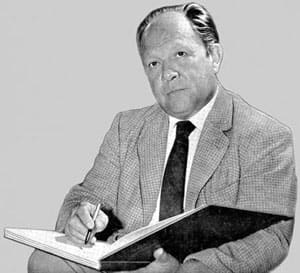
José Asunción Flores

José Gaspar Rodríguez de Francia

Alfredo Stroessner

Fernando Lugo

Gabriel Casaccia

Josefina Plá

Olga Blinder

Ricardo Migliorisi

Berta Rojas

Miguel Almirón
José Luis Chilavert
Carlos Antonio López
Elvio Romero
Carlos Colombino
Luis Alberto del Paraná
Roque Santa Cruz
Must-try Paraguayan food

Sopa paraguaya
The national dish and not a soup: dense cornbread with cheese, onion, milk and eggs.

Chipa
Cassava-starch and cheese rings with aniseed, sold from baskets at every bus terminal.

Chipa guazú
Fresh corn, cheese and eggs baked between pudding and cake. Served beside sopa paraguaya.

Vori vori
Corn and cheese dumplings in chicken broth. Comfort food for the winter cold snaps.

Pira caldo
River fish soup of surubí, milk and vegetables. The morning-after dish, and it earns it.
Asado
Sunday itself. Beef over wood in somebody's yard, with the afternoon cleared around it.
Mbejú
Flat cassava-starch and cheese cake, crisped in a dry pan. Order it with cocido.
Mandioca
Boiled cassava, on the table at nearly every meal. Judge a kitchen on whether it is hot.
Payagua mascada
Fried patty of mashed cassava, minced beef and spring onion. Street and bar food.
So'o yosopy
Thin beef soup thickened with rice or vermicelli. Guaraní for meat, squeezed.
Kiveve
Andai squash cooked with corn flour and fresh cheese, sweet and savoury at once.
Dulce de mamón
Green papaya candied in syrup, served with a slab of fresh cheese. The classic dessert.
Kaguyjy
Also mazamorra. White corn slow-cooked with ash water and sweetened, eaten warm.
Tereré
Cold yerba mate with iced water and herbs, from a shared guampa. The national drink.
Cocido
Yerba mate scorched with sugar, steeped in boiling water and strained. Smoky and sweet.
Mosto
Fresh sugar cane juice pressed at a roadside stall. Best in the Guairá cane belt.