Don't be a tourist, be a traveler, world in motion
Plan a trip
Live destination map
◆ Country guide · Melanesia

Papua New Guinea, the country the flight schedule plans for you

More living languages than any other country on earth, a wartime footpath over the Owen Stanley Range, and reefs almost nobody has dived. Papua New Guinea has no road between its two biggest cities, and that single fact writes every itinerary here.

10.2M
People
840
Languages
462,840 km²
Total area
Region
Papua New Guinea, Wimup country guide
Tropical fruit, Papua New Guinea dish (Wimup)Tropical fruit
Highlands coffee, Papua New Guinea (Wimup)Highlands coffee
Best months
Jun · Aug · Sep
Ideal length
10–14 days
Budget / day
$200–400
Language
Tok Pisin & English
Getting around
Domestic flights & arranged transfers

When to visit Papua New Guinea

One dry season, two shows, and a wet season that closes roads.
Full month guide →
Jan
Feb
Mar
Apr
May
Jun
Jul
Aug
Sep
Oct
Nov
Dec
Best: June, July and October, dry and clear across most regions Peak: August and September, the Hagen and Goroka shows, booked months ahead Good: April, May and November, either shoulder of the dry season Avoid: December to March, the heaviest rain and the least reliable roads
Quick answer · where to go in Papua New Guinea

Fly into Port Moresby, sleep a night, and treat it as a hub. Then pick two of the four countries inside this one. The Highlands, for Mount Hagen in August or Goroka in September, with Tari for the Huli. The Sepik, by canoe out of Wewak. The islands, for diving at Kimbe Bay or Milne Bay. Or the Kokoda Track, eight to ten days on its own. Two weeks covers two. Book the domestic flights first, and come between June and October.

Fun fact

One number worth knowing

Papua New Guinea has 840 living languages, more than any other country and about one in eight spoken on earth. Valleys walled off by mountains, and coasts cut apart by swamp and sea, kept people apart long enough for their speech to diverge. Tok Pisin, a plantation creole, is how they now bargain.

Stereotypes, sorted out

The warnings you have read, what is actually true, and how to behave once you land.
"It is too dangerous to visit."

The realityThe warnings are real and specific. Foreign ministries name Port Moresby, Lae and Mount Hagen for opportunistic, sometimes violent crime. Visitors manage it with arranged transfers, no walking after dark in those cities, and an operator who knows the ground. Read your government's advisory first.

"It is a backpacker country if you are tough enough."

The realityLogistics and land are the constraint. Domestic flights are the only practical link between regions, and they are costly and change often. Outside the towns you sleep in lodges and village guesthouses. Roughly 97 per cent of land is customary, so independent trips are arranged ahead with locals.

"The tribes perform for tourists."

The realityThe Mount Hagen and Goroka shows began in the 1950s as gatherings between groups, and still are: the audience is mostly Papua New Guinean, clans compete for standing, and the dress is made by its wearers. Visitors are photographed as much as they photograph. Village sing-sings keep no tourist dates.

"Everything is untouched and pre-modern."

The realityMobile phones are everywhere, Highlands coffee is exported worldwide, and liquefied natural gas is the largest export earner. What holds is clan and language identity underneath, so a person can carry a smartphone, speak three languages and still have their duties set by their village.

It is one cultureKokoda is a hikeThe Highlands are hotThe diving is a side tripYou can drive between regionsBirds of paradise everywhereOnly come for the sing-sings

Cultural notes that actually help

  • Ask before you photograph, every time. Dress, adornment and dance are owned by clans, and a portrait taken without a word is a taking. At the shows people usually say yes and often ask for a small payment, which is fair.
  • You arrive as someone's guest. With almost all land held under customary title, a walk, a beach or a cave normally has an owner, and your guide is also the person who negotiated your presence. Pay what the arrangement says, through them.
  • Wantok is the organising principle. The word is Tok Pisin for "one talk", meaning people who share your language, and the obligations that run between them explain a great deal of what looks like inefficiency to an outsider.
  • Betel nut (buai) is chewed constantly and the red stains on every pavement are the evidence. Port Moresby has restricted its sale and public chewing at various points, so follow the rule you are told on the day.
  • Dress modestly, particularly women, and particularly outside the resorts. Knees covered is the practical standard, and a meri blouse or a laplap is normal everyday wear.
  • Cash is how most things are paid for, in small notes. Cards work in Port Moresby hotels and a handful of Lae and Madang businesses, and nowhere else worth planning around.
  • Sunday matters. Papua New Guinea is overwhelmingly Christian, church attendance is high, and in many villages Sunday is not a day for arranging anything.

Famous Papua New Guinean faces

The names behind independence, writing, art, music and sport. Pick a field.
Sir Michael Somare, Papua New Guinea (portrait via Wikimedia Commons)

Sir Michael Somare

The Grand Chief. Led independence from Australia in 1975 and was first prime minister.
Justin Olam, Papua New Guinea (portrait via Wikimedia Commons)

Justin Olam

Melbourne Storm centre, 2020 premiership winner, Dally M centre of the year in 2021.
James Marape, Papua New Guinea (portrait via Wikimedia Commons)

James Marape

Prime minister since 2019, from Hela, on a "take back PNG" resource platform.
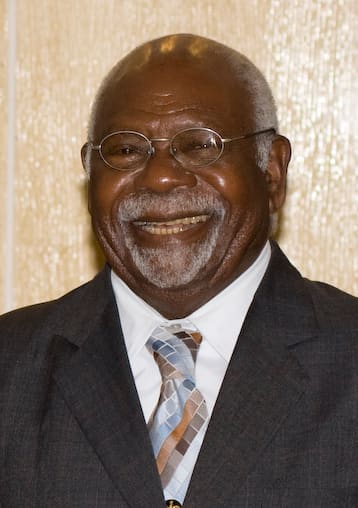
Sir Paulias Matane, Papua New Guinea (portrait via Wikimedia Commons)

Sir Paulias Matane

Writer of dozens of books on village life and education, and eighth governor-general.
Marcus Bai, Papua New Guinea (portrait via Wikimedia Commons)

Marcus Bai

Winger who reached the NRL without Australian junior football. Melbourne Storm premier.
Sir Vincent Serei Eri

Sir Vincent Serei Eri

Wrote The Crocodile (1970), the first Papua New Guinean novel. Later governor-general.
George Telek

George Telek

Tolai singer from East New Britain, the country's best-known musician abroad.
Mathias Kauage

Mathias Kauage

Simbu artist whose paintings and prints took Highlands imagery into galleries abroad.
Dame Nora Vagi Brash

Dame Nora Vagi Brash

The first woman playwright, a satirist of post-independence social climbing.
Ryan Pini

Ryan Pini

Swimmer, four-time Olympian, and the first from the country to reach an Olympic final.
Dika Toua

Dika Toua

Weightlifter, the first woman to lift at an Olympics, at Sydney 2000. Five Games in all.
Sir Julius Chan

Sir Julius Chan

Founding finance minister and twice prime minister, later governor of New Ireland.
Dame Carol Kidu

Dame Carol Kidu

Member for Moresby South and minister, often the only woman in parliament.
Russell Soaba

Russell Soaba

Novelist and poet of Wanpis and Maiba, central to post-independence university writing.
Michael Mel

Michael Mel

Western Highlands performance artist and curator working with Melanesian ritual forms.
Anslom Nakikus

Anslom Nakikus

Reggae singer and songwriter from East New Britain, a leading name in the country's music.
Sanguma

Sanguma

Band that set traditional music against Western instruments from 1977, and toured abroad.
Steven Kari

Steven Kari

Weightlifter, 94 kg Commonwealth champion at Glasgow 2014 and the Gold Coast in 2018.
Toea Wisil

Toea Wisil

Sprinter, Pacific Games champion and flag bearer at the London Olympics in 2012.

Must-try Papua New Guinean food

Earth ovens, sweet potato, sago and coconut cream. Pick a category.
Tropical fruit, Papua New Guinea dish (Wimup)

Tropical fruit

Pawpaw, mango, soursop, guava and bananas nobody exports. See Gordons market.

Highlands coffee, Papua New Guinea (Wimup)

Highlands coffee

Arabica from around Goroka and Mount Hagen, the second farm export. Drink it there.

Mumu

The national dish: pork, roots and greens steamed for hours over hot stones in a pit.

Aigir

Tolai chicken or fish with kaukau, aibika and ginger, cooked down in coconut cream.

Chicken pot

Chicken in coconut milk with whatever greens and roots are to hand. The everyday meal.

Sago grubs

Palm weevil larvae from felled sago palms, raw or skewered and roasted. Sepik food.

Lamb flaps

Imported mutton belly, grilled at roadside stands. Not traditional, but everywhere now.

Kaukau

Sweet potato, the Highlands staple. Baked in ashes, boiled, or buried in the mumu.

Saksak

Sago starch washed from palm pith, set into a jelly dumpling or pan-cooked with coconut.

Aibika

A hibiscus leaf, the everyday green, slightly gelatinous and simmered in coconut milk.

Pitpit

Highlands cane vegetable, closer to asparagus on the plate, grilled in its husk.

Taro and yam

Older staples that still carry status in Milne Bay. Trobriand yam harvests are ceremonial.

Reef fish and mud crab

Whatever came in that afternoon: grilled reef fish, or mud crab in coconut cream.

Sago pudding

Sago, mashed banana and coconut cream cooked into a thick, chewy dessert.

Kulau

Green drinking coconut, hacked open at the roadside for water, then split for the flesh.

Know before you go

The essentials for planning a trip here, starting with the flights and the visa.
Currency

Papua New Guinean kina (PGK)

Cash rules outside the main hotels. Cards work in Port Moresby and larger lodges, town ATMs are unreliable, and markets, guides and porters want small notes. Kina is hard to get abroad.

Language

Tok Pisin, English & Hiri Motu

Tok Pisin works everywhere. It is an English-based creole, so you will follow more than you expect, and a hundred words of it change a market morning. English runs government and schools.

Visa

Apply online before you fly

Most nationalities apply at evisa.gov.pg, the only official portal, and should allow more than a week. Package travellers usually need a letter from a registered tour operator.

Getting around

Domestic flights, then arranged ground transport

Air Niugini and PNG Air link the regions through Port Moresby, since no road joins the capital to Lae or the Highlands. On the ground it is hired vehicles and boats. Keep a buffer day.

Safety

City-specific, and taken seriously by residents too

Every advisory names Port Moresby, Lae and Mount Hagen for opportunistic, sometimes violent crime. Use arranged transfers, do not walk after dark, show nothing, and read your advisory.

Land and permission

Roughly 97 per cent is customary land

Almost all land belongs to traditional owners, so access to a beach, cave, reef or trail is arranged with them. Your guide usually negotiates, and any payment goes through that deal.

Health

Malaria risk nationwide below 1,800 m

Get antimalarial advice from a travel clinic well before you go, and avoid bites, above all at dusk on coasts and rivers. Dengue is present. Care is thin outside Port Moresby: get evacuation cover.

Power

240V, 50Hz, type I plug

The same flat three-pin plug as Australia and New Zealand. Supply outside the towns is often a lodge generator running set hours, so charge when you can and carry a power bank.

Calling code

+675

Digicel and Vodafone sell prepaid SIMs at the Port Moresby airport and in towns. Bring an unlocked phone and your passport. Highlands valleys, the Sepik and outer islands have long gaps.

Emergency

000

Response outside the main centres is limited. Call your lodge, operator or hotel first. They know which service can reach you and how long it will take.

Tipping

Not customary, but guides and porters are different

Restaurants and taxis expect none. Trek porters, dive guides and lodge staff generally do, and on Kokoda the operator publishes a suggested amount. Stick to it.

Photography

Ask first, every time

Dress and dance belong to clans, and a photograph taken without asking is a taking. At the shows people usually agree and may ask a small fee. Never photograph police, airports or state buildings.

Connectivity

Patchy, and a reason to plan offline

Mobile data works in towns and thins fast beyond them, and lodge internet is often metered satellite. Download maps and bookings before leaving town, and tell someone your plans.

Papua New Guinea travel FAQ

Do you need a visa for Papua New Guinea?+
Most visitors do, applied for online before flying through the Immigration and Citizenship Authority's portal at evisa.gov.pg. Allow well over a week, and use only the official portal: lookalike commercial sites charge a fee to fill in the same form. Package travellers will usually be asked for a letter from a tour operator registered with the Tourism Promotion Authority, so book the trip before the visa. Requirements change, so confirm them on the portal.
Is Papua New Guinea safe to visit?+
It needs planning. Foreign ministries consistently name Port Moresby, Lae and Mount Hagen as the places where serious crime is common, and their advice is specific: use arranged transfers, not street taxis or the PMV buses, do not walk after dark in the cities, and keep valuables out of sight. Most visitors move between airports, lodges and operators who arrange the ground legs, which is how the tourism sector here works anyway. Outside the three cities, in the islands and the villages, the greater risks are medical and logistical. Read your own government's current advisory before you book.
How do you get around Papua New Guinea?+
By air, and this is the fact that shapes every itinerary. There is no road between Port Moresby and Lae, and none between the capital and the Highlands: the road network is a set of regional systems that do not connect. Air Niugini and PNG Air run the domestic network out of Port Moresby, schedules change and cancellations happen, so leave a buffer day before an international flight home and never plan a same-day connection you cannot afford to miss. On the ground, regions are covered by hired vehicles with drivers, lodge transfers and, on the rivers and between islands, motor canoes and small boats. Public motor vehicles (PMVs) are how the country moves and are not what foreign ministries advise visitors to use.
When is the best time to visit Papua New Guinea?+
May to October, the drier and less humid half of the year, and June to September is the sweet spot for trekking, the Highlands and the coast alike. The cultural calendar sharpens that further: the Mount Hagen Show falls in August and the Goroka Show in September around Independence Day on the 16th, and between them they are the reason many people come. November to April is the wet season, heaviest from December to March, with rain that closes Highlands roads and makes river travel harder. The Highlands and the Sepik collect rain in every month of the year, so "dry season" here means less wet.
Can you walk the Kokoda Track independently?+
Not in practice. The 96-kilometre track over the Owen Stanley Range is administered by the Kokoda Track Authority, which issues trekking permits and licenses the operators, and it crosses customary land the whole way, so a trek is arranged with a licensed operator and a local crew of guides and porters. It takes most people eight to ten days, and it is a serious mountain walk: steep, wet, hot at the bottom and cold at the top, with no road access to bail out from the middle. Trekking season runs roughly April to November. Train for it as you would for a multi-day mountain trek, not for a memorial walk.

Planning a Papua New Guinean trip?

One fully-researched destination (ranked, mapped and paired with video) in your inbox every Thursday.

Photo credits (6)