


Start on the Bay of Kotor. Kotor itself for the walls and the old town, Perast for the two island churches, Herceg Novi for the stairs down to the water. Then pick the next Montenegro: the beaches south of Budva and the long sand at Ulcinj, or the height, where Cetinje climbs to Lovcen and the road carries on to Žabljak and the Durmitor peaks. Podgorica is the transport hub, and Skadar Lake sits between the two halves. A week does the coast properly. Ten days reaches the north.
1 Montenegro city guide
Fun fact
Montenegro uses the euro without being in the eurozone. It adopted the Deutsche Mark in 1999, switched with it in 2002, and has never issued a currency of its own since.
Stereotypes, sorted out
The realityThe shape of the trip is different. Croatia is a long archipelago; Montenegro is one deep bay, a short strip of beach and a wall of limestone immediately behind it. You can be in a national park within an hour of the sea, which is the whole argument for coming.
The realityThe distances are short and the driving is not. The bay road bends around every inlet and the northern routes climb through passes. Plan in hours, and give the north days of its own.
The realityMost of Montenegro is limestone. Durmitor holds glacial lakes and peaks over 2,000 metres, the Tara has cut one of the deepest canyons in Europe, and Biogradska Gora protects one of the last stands of old-growth forest on the continent. All three are national parks.
The realityThe ships arrive and leave on a schedule. Sleep in the old town and you get it back: the walls are quiet at either end of the day, and the squares belong to the town again by evening.
The realityMontenegro runs on the euro without being in the eurozone, so there is no local currency to buy. Cards are normal in the coastal towns. Carry cash for the villages and the mountain roads.
Cultural notes that actually help
- Coffee is a sitting, not a takeaway. An hour over one cup is normal and nobody will hurry you out of the chair.
- Cover shoulders and knees in the monasteries. Ostrog and Cetinje are working religious houses with a steady stream of pilgrims, not viewpoints.
- Learn dobar dan and hvala. The effort is noticed, and it carries across the whole region.
- Lunch is the serious meal and it lands mid-afternoon. Dinner runs late in summer, so a seven o’clock table usually means an empty room.
- Skip the long drive round the bay. The Kamenari to Lepetane ferry exists for exactly that, and the crossing takes minutes.
- Register your stay. Hotels and licensed apartments do it for you within the first day; if you are staying with friends, do it yourself at the local tourist office.
Famous Montenegrin faces
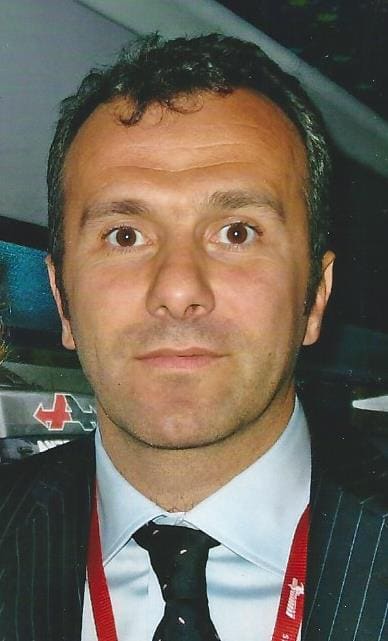
Dejan Savićević

Predrag Mijatović

Milovan Đilas
Petar II Petrović-Njegoš
King Nikola I
Ivan Crnojević
Marko Miljanov
Saint Basil of Ostrog
Mihailo Lalić
Stevan Jovetić
Žarko Paspalj
Must-try Montenegrin food

Cicvara
The richer cousin of kačamak: cornmeal cooked into kajmak until it runs with fat.
Njeguški pršut
Ham air-dried about a year in Njeguši above Kotor, where mountain and sea winds meet.
Njeguški sir
The cheese from the same village. Firm, salty, and often matured under oil.
Kačamak
Cornmeal beaten with potato, young cheese and kajmak until it pulls away from the pot.
Jagnjetina ispod sača
Lamb baked under a metal bell buried in embers, the north's way with anything slow.
Popeci
Njeguši veal rolled around ham and cheese, breaded and fried. Ordering it is a commitment.
Raštan
Collard greens stewed with smoked meat and potato. Winter food in the interior.
Buzara
Mussels or prawns opened in white wine, garlic and olive oil, with bread to mop up.
Crni rižot
Squid-ink risotto. It will stain your teeth and it is worth it.
Riblja čorba
Fish soup thickened with rice, the standard opener on the bay.
Ukljeva
The bleak from Skadar Lake, dried or smoked. A lake fish in a country that sells its sea.
Priganice
Fried dough balls eaten hot with honey, cheese or jam, at breakfast or a festival.
Vranac
The native black grape, over half of what Montenegro plants. Dark and dry.
Krstač
The native white, grown around Skadar Lake and almost nowhere else on earth.
Rakija
Fruit brandy, often homemade, poured before the meal.
