Don't be a tourist, be a traveler, world in motion
Plan a trip
Where the coast, the highlands, the desert and the north sit
◆ Country guide · Southern Africa

Top 10s across Angola

Portuguese-speaking, Atlantic-facing and almost unwritten about in English. A 1,600-kilometre coast of surf and shipwrecks, a green highland plateau in the middle, and a desert in the south where the plants outlive the people who find them.

36.6M
People
1,246,700 km²
Area
Region
Funge, Angola (Wimup)Funge
Calulu, Angola (Wimup)Calulu
Feijão de óleo de palma, Angola (Wimup)Feijão de óleo de palma
Cocada amarela, Angola (Wimup)Cocada amarela
Best months
May–Aug
Ideal length
10–14 days
Budget / day
$130–280
Language
Portuguese is official
Getting around
Domestic flights between regions

When to visit Angola

One long dry season the country calls the cacimbo, one wet one, and a choice between firm roads and full waterfalls.
Full month guide →
Jan
Feb
Mar
Apr
May
Jun
Jul
Aug
Sep
Oct
Nov
Dec
Best: May to August, the dry cacimbo, cool on the plateau and foggy at dawn on the coast Good: September and October, dry roads and building heat before the storms return Wettest: November to April, when the unpaved roads become the constraint
Quick answer · where to go, and what to settle first

Read your government's advisory and book a local operator. Crime is high in the cities, advisories warn against all but essential travel to Cabinda province outside Cabinda city, and mines are still being cleared from unpaved roads. Give Luanda two days, with the Miradouro da Lua and Quiçama to the south. Benguela and Lobito hold the beaches. The highlands run from Huambo to Lubango, Tundavala and the Serra da Leba, down to Namibe. Malanje is the base for Kalandula. Two weeks covers most of it.

Fun fact

One number worth knowing

Angola has won the men’s AfroBasket more often than any other country. The twelfth title came in Luanda in August 2025, with a 70 to 43 win over Mali in the final, in a country the rest of the world files under oil and football.

Stereotypes, sorted out

What the war actually left behind, why the visa reputation is years out of date, which survey made Luanda the world's most expensive city, and which side of the Atlantic samba came from.
"Angola is still at war."

The realityThe civil war ended in 2002, and the 2024 census found 44.6% of the country under 15. Mines and unexploded ordnance are still being cleared from unpaved roads and riverbanks in parts of the interior, so stay on surfaced roads and your guide's tracks. The rest rebuilt, Huambo included.

"You cannot get in without an invitation letter and a month of paperwork."

The realityThat stopped being true in late 2023, when a presidential decree dropped the tourist visa for citizens of around a hundred countries. Most European, North and South American and several Asian passports now enter for tourism without applying. Guidebooks still describe the old system.

"Luanda is the most expensive city in the world."

The realityIt was, in a survey of expatriate relocation costs. Luanda topped Mercer's ranking in the mid-2010s, when a pegged kwanza met scarce expatriate housing. The kwanza floated in 2018 and Luanda left the top twenty within a year. Hotels, domestic flights and a driver are the expensive part.

"Samba and kizomba are Brazilian."

The realityThe line runs the other way. Semba is Angolan, and the Atlantic trade carried it to Brazil, where it fed into samba. Kizomba emerged in Luanda in the late 1970s from semba and Antillean zouk. Kuduro, the fast electronic music, came out of Luanda's musseques from the late 1980s.

"There is nothing to look at except oil terminals."

The realityKalandula is the second-largest waterfall in Africa by volume, 105 metres high and 400 wide. Tundavala is a thousand-metre break in the escarpment. Iona is a desert national park of 15,150 square kilometres, and the Kongo capital at M'banza-Kongo was listed by UNESCO in 2017.

Africa's last frontierAfrica's second-largest waterfallThe world's most expensive cityKizomba is BrazilianGhost ships at Baía dos TigresUndiscovered and unspoiled

How to behave

  • Greet properly and in Portuguese. Bom dia, a handshake and a question come before the request, and going straight to business reads as rude. A few words of the language go further here than almost anywhere on the continent.
  • Do not photograph government buildings, military or police installations, ports or airports. It is taken seriously, it can cost you a camera, and no photograph is worth the conversation that follows.
  • Ask before photographing people, particularly in markets and at anything ceremonial, and let a guide make the introduction. A no is a no.
  • Dress up in the cities. Angolans in Luanda and Benguela dress carefully, and beachwear away from the beach reads as sloppy.
  • Carry cash in small denominations, and carry more than you think. Foreign cards work in very few places, ATM limits are low, and a large note can stall a transaction that would otherwise take ten seconds.
  • Accept the invitation to dance. Semba and kizomba are ordinary social life here, not a show for visitors, and standing at the edge of it is what marks you out.

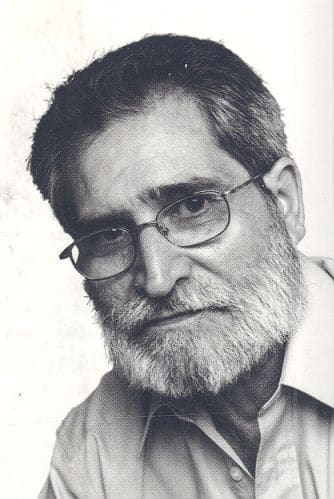
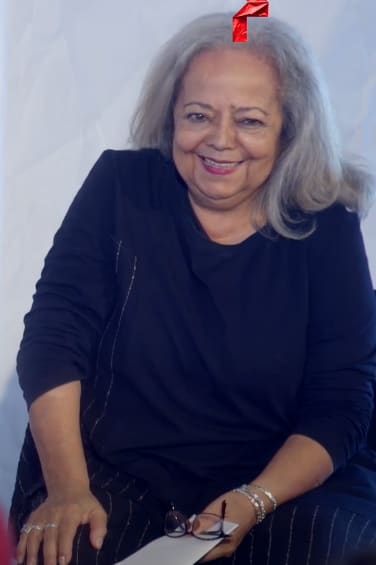
Famous Angolan faces

A president who was a poet first, the voice of semba in exile, a Sundance grand jury prize, and the first Angolan in the NBA. Pick a field.
Agostinho Neto, Angola (portrait via Wikimedia Commons)

Agostinho Neto

Doctor, poet and first president of independent Angola, from 1975 until his death in 1979.
Anselmo Ralph, Angola (portrait via Wikimedia Commons)

Anselmo Ralph

Born in Luanda in 1981, the biggest kizomba and R&B name of his generation.
Titica, Angola (portrait via Wikimedia Commons)

Titica

Kuduro artist and dancer, the most visible transgender performer in Angolan music.
Pepetela, Angola (portrait via Wikimedia Commons)

Pepetela

Former guerrilla whose Mayombe is the defining war novel. Won the Prémio Camões in 1997.
José Eduardo Agualusa, Angola (portrait via Wikimedia Commons)

José Eduardo Agualusa

Won the 2017 International Dublin Literary Award for A General Theory of Oblivion.
Ondjaki, Angola (portrait via Wikimedia Commons)

Ondjaki

Luanda writer born in 1977. Os Transparentes won the Prémio José Saramago in 2013.
Ana Paula Tavares, Angola (portrait via Wikimedia Commons)

Ana Paula Tavares

Poet and historian from Huíla who put women's voices at the centre of Angolan poetry.
Bruno Fernando, Angola (portrait via Wikimedia Commons)

Bruno Fernando

The first Angolan in the NBA. Born in Luanda in 1998, drafted in 2019.
Maria Borges, Angola (portrait via Wikimedia Commons)

Maria Borges

Luanda model, the first to walk the Victoria's Secret show in a natural afro, in 2015.
Bonga

Bonga

The voice of semba abroad. Left Angola in 1972 and recorded his first album in exile.
Waldemar Bastos

Waldemar Bastos

Singer-guitarist (1954 to 2020) who folded Angolan music into fado and Brazilian rhythm.
Zézé Gamboa

Zézé Gamboa

His O Herói, about a soldier maimed by a mine, won a Sundance grand jury prize in 2005.
Childe Dundão

Childe Dundão

MVP of the 2025 AfroBasket, where Angola went unbeaten to a record twelfth title.

Must-try Angolan food

Cassava dough with a palm-oil stew over it, grilled fish with beans and sweet potato, peanut paste with chilli in it, and a fermented corn drink. Pick a category.
Funge, Angola (Wimup)

Funge

The staple under every stew. Cassava flour or maize meal beaten with water, eaten by hand.

Calulu, Angola (Wimup)

Calulu

Dried fish or meat simmered with okra, sweet potato leaves, tomato and palm oil.

Feijão de óleo de palma, Angola (Wimup)

Feijão de óleo de palma

Beans in red palm oil, the standard side on a mufete plate. Rich and faintly smoky.

Cocada amarela, Angola (Wimup)

Cocada amarela

Coconut cooked with sugar, egg yolks and cinnamon into a dense yellow pudding.

Muamba de galinha

The national dish. Chicken slow-cooked in red palm oil, garlic, okra and gindungo chilli.

Kizaca

Pounded cassava leaves cooked down with ground peanut and palm oil. Dense, green, bitter.

Muamba de ginguba

The peanut muamba, thick with groundnuts and lighter on palm oil. Common on the plateau.

Mufete

The coastal Sunday meal. Grilled fish, palm-oil beans, cassava, plantain and salad.

Caldeirada de cabrito

Goat stewed with potato, tomato and wine. The Independence Day dish, on 11 November.

Quitaba

Coarse roasted peanut paste with chilli, spooned onto grilled fish. Nutty and hot.

Gindungo

The house chilli sauce of small hot peppers, garlic and onion. On every table.

Kissangua

Non-alcoholic fermented cornflour drink from the south. Cloudy, sour and drunk cool.

Cuca

The lager brewed here since colonial times and the default in every bar. Cold and light.

Know before you go

The essentials for planning a trip here: entry, security, money, language, the roads and the seasons.
Visa

Visa-free for around a hundred nationalities since 2023

A late-2023 decree dropped the tourist visa for about a hundred nationalities. Check your foreign ministry's list. Carry six months' passport validity, a return ticket and an address.

Safety

High crime in the cities, so travel with a driver

Robbery, smash-and-grab theft and carjacking are reported in and around Luanda. Keep nothing visible in the car, carry little after dark, and travel with a local driver or operator.

Cabinda

Advisories against all but essential travel outside Cabinda city

Separatist groups have attacked and kidnapped in the exclave, and advisories warn against all but essential travel outside Cabinda city. Question any overland route through it.

Landmines

Cleared for decades and not finished

Mines and unexploded ordnance remain on some unpaved roads, near bridges and on riverbanks in the interior and southeast. Stay on surfaced roads and your guide's tracks. Never camp unprompted.

Currency

Angolan kwanza (AOA), and a cash country

Foreign cards work in a few Luanda hotels. Multicaixa ATMs give kwanza only, with low limits. Bring dollars or euros to change, check the day's rate, and carry plenty of cash outside the capital.

Language

Portuguese is official; Umbundu, Kimbundu and Kikongo carry daily life

Portuguese does everything official, and English is rare outside international hotels. Umbundu dominates the plateau, Kimbundu Luanda, Kikongo the north. A few words of Portuguese change the trip.

Getting around

Domestic flights between regions, a hired 4x4 with a driver on the ground

TAAG and smaller carriers fly Luanda to Lubango, Huambo, Benguela, Namibe and Cabinda. Main roads are surfaced, the roads to parks and falls are not. Hire a vehicle with a driver, the norm here.

Emergency numbers

113 police, 115 fire, 112 medical

Response is slow outside Luanda. Save your operator's and hotel's numbers, keep your embassy's details on paper, and carry insurance that covers medical evacuation.

Health

Malaria year round, yellow fever vaccination strongly advised

Malaria is present all year. Get prophylaxis advice early, use repellent and sleep under a net. Yellow fever vaccination is still advised, though no longer a blanket entry rule. Drink bottled water.

Photography

Not around anything official, and ask people first

Photographing government, military and police sites, ports and airports can cost you a camera or worse. Ask before photographing people, accept a no, and let a guide make the introduction.

Tipping

Not obligatory, and welcome

There is no fixed tipping culture to observe. Rounding up a restaurant bill, or paying a driver or guide something at the end of a long day on bad roads, is appreciated and never demanded.

Angola travel FAQ

Is Angola safe to visit?+
It is a country you travel with help. Crime rates are high in Luanda and the other cities, with robbery, smash-and-grab theft and carjacking all reported, and most visitors move with a local driver or operator for that reason as much as for the roads. Two risks are geographic. Foreign ministries advise against all but essential travel to Cabinda province outside Cabinda city, where separatist groups have attacked and kidnapped, and mines and unexploded ordnance left by the civil war are still being cleared from unpaved roads, bridges and riverbanks in parts of the interior. Stay on surfaced roads and on the tracks your guide uses, read your own government's regional advice before booking, and the rest is ordinary caution.
Do I need a visa for Angola?+
Probably not, and that is new. A presidential decree in late 2023 removed the tourist visa for citizens of around a hundred countries, including much of Europe, the United States, Canada, Brazil, China and Japan, who now enter for tourism without applying for anything in advance. Anyone outside that list applies before travel. Because the change is recent, a lot of what you will read online still describes the old invitation-letter system, so check your own foreign ministry's entry page first, carry a passport with six months of validity left, and have a return ticket and an address to show at immigration.
When is the best time to visit Angola?+
May to August, the dry season Angolans call the cacimbo. Rain stops across the country, nights on the highland plateau are properly cool, the coast gets morning fog that clears by mid-morning, and the unpaved roads that reach the falls, the parks and the viewpoints are firm. May is the pick of the four because the interior is still green from the rains that have just ended. September and October still work and are hotter. The Kalandula falls run at full volume at the end of the rains, around March, when the roads are at their softest.
How do I get around, and how long do I need?+
Two weeks covers the coast, the highlands and one northern loop without rushing; ten days means choosing between the Malanje falls and the Namibe desert. The country is the size of western Europe, so plan around domestic flights between regions, with TAAG and smaller carriers linking Luanda to Lubango, Huambo, Benguela, Namibe and Cabinda. On the ground, hire a vehicle with a driver: the main coastal and highland roads are surfaced and fine, and almost everything worth stopping for sits at the end of a track that is not. Candongueiro minibuses are city transport, not a way to cross a province.
Is Angola expensive?+
Less than its reputation, and more than its neighbours. Luanda topped Mercer's cost-of-living survey for expatriates several years running in the mid-2010s, which is where the headline comes from, but that survey prices an expatriate relocation package, and after the kwanza was floated in 2018 the city fell out of the top twenty. What costs real money here is what a visitor actually buys: Luanda hotel rooms, domestic flights and a vehicle with a driver. Food, local transport and everything outside the capital cost far less, and the currency moves enough that any figure you read is worth checking against a live rate.

Planning an Angolan trip?

One fully-researched destination (ranked, mapped and paired with video) in your inbox every Thursday.

Photo credits (13)