


Base yourself in Brussels or Ghent and the country comes to you: Bruges, Antwerp, Leuven and Mechelen are all inside an hour by train. Give Bruges a full day and stay the night, so you have it after the coaches leave. Then trade the medieval half for Wallonia: the Meuse valley at Dinant and Namur, and the Ardennes forest behind them. May, June and September are the windows worth booking.
2 Belgium city guides
Fun fact
Beer culture in Belgium was inscribed on UNESCO’s list of intangible cultural heritage in 2016, one of the few drinking traditions anywhere to be listed in its own right.
Stereotypes, sorted out
The realityIt is the one country in Western Europe where four cities worth several days each sit inside an hour of one another. That is an argument for staying, not for passing through on the way to somewhere with a bigger reputation.
The realityDutch is the majority language and all of Flanders speaks it, including Bruges, Ghent and Antwerp. French belongs to Wallonia, German is official in the eastern cantons, and Brussels is officially bilingual. Open in English and nobody has to take a side.
The realityThe maritime climate spreads grey drizzle thinly across the year and never delivers a monsoon. What it does mean is that no month is reliably dry, so pack a light waterproof and stop watching the forecast.
The realityThose are the exports. What people actually eat is carbonnade slow-cooked in beer, waterzooi, shrimp croquettes and a cone of fries from the neighbourhood frituur, none of which the gift shops sell.
The realityBruges is the postcard and it earns the visit. But Ghent has the students, Antwerp the fashion and the port, Brussels the art nouveau and the museums, and Wallonia the forest and the river valleys. Bruges alone is one day of a country.
The realityThe Belgian claim rests on the method: cut thick, fried twice, served in a paper cone with a sauce you pick. The frituur is a neighbourhood institution here, not a tourist stop, and saying otherwise is a reliable way to start a conversation.
Cultural notes that actually help
- Open in English. Guessing between Dutch and French and choosing wrong reads as a statement, and English lets everyone skip the question.
- Buy fries at a frituur or friterie. Pick a sauce, eat standing at the counter, and do not call them French.
- Beer arrives in its own glass and is ordered by name, never as just a beer. Let a Trappist warm up a little instead of drinking it cold.
- Sunday is quiet and many shops stay shut. Most museums close on Monday, so put the flat, grey afternoons somewhere else in the week.
- Greet with a handshake, or one kiss on the cheek among friends. Three is a French habit that does not travel here.
- Buy the train ticket before boarding. Buying from the conductor costs more, and the app is faster than the station queue.
- Do not fold Belgium into France or the Netherlands in conversation. The differences are the interesting part, and people will happily explain them.
- Look right before stepping into a bike lane, especially in Flanders. The cycling infrastructure is real and it is in constant use.
Famous Belgian faces

Hergé

Eddy Merckx

Jacques Brel

Adolphe Sax

Georges Lemaître

James Ensor
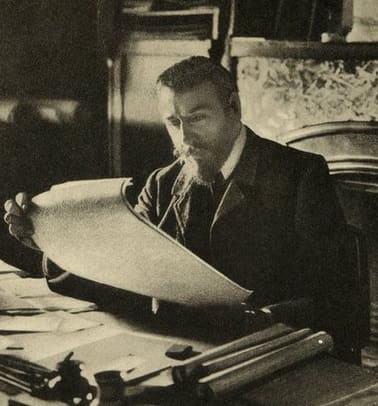
Victor Horta

Stromae

Kim Clijsters

Jacky Ickx
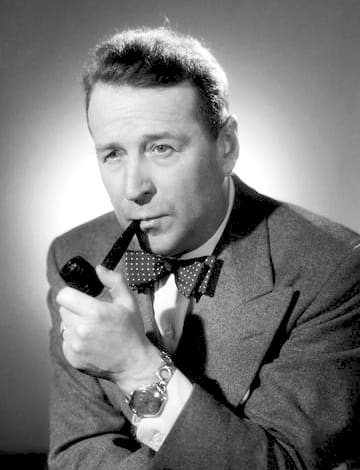
Georges Simenon

Amélie Nothomb

Jean-Claude Van Damme
René Magritte
Audrey Hepburn
Jan van Eyck
Peter Paul Rubens
Pieter Bruegel the Elder
Dries Van Noten
Martin Margiela
Toots Thielemans
Django Reinhardt
Justine Henin
Andreas Vesalius
Gerardus Mercator
The Dardenne brothers
Must-try Belgian food

Moules-frites
A black pot of mussels steamed with white wine or celery, and a second bowl of fries.

Carbonnade flamande
Beef braised slowly in dark beer with a slice of mustarded bread stirred through it.

Stoemp
Potatoes mashed with whatever vegetable is in season, served under a sausage.

Filet américain
Raw minced beef with capers and mayonnaise, eaten with fries. Not a burger.

Waterzooi
A Ghent stew of chicken or fish in a broth thickened with cream and egg yolk.

Paling in 't groen
Eel poached in a green sauce of sorrel, chervil and whatever else the herb garden gave.

Mattentaart
Geraardsbergen's curd tart, with EU protected designation and a short shelf life.

Boulets à la liégeoise
Meatballs in a dark sauce sweetened with sirop de Liège. The dish Liège argues about most.

Couque de Dinant
Honey and flour pressed into carved wooden moulds and baked hard. Suck it, do not bite it.

Liège waffle
Denser dough studded with pearl sugar that caramelises on the iron. The one eaten walking.

Pralines
The filled chocolate shell, invented in Brussels in 1912 and still the city's own.

Gueuze
Young and old lambic blended and refermented in the bottle. Dry, sour, close to cider.

Kriek
Lambic steeped with sour cherries. The traditional ones are tart, and not sweet.
Frites
Cut thick, fried twice, served in a paper cone from a frituur with a sauce you choose.
Chicon au gratin
Endive rolled in ham, baked under béchamel and cheese. Winter cooking, mostly at home.
Vol-au-vent
Chicken and meatballs in a cream sauce, inside puff pastry. Every brasserie has one.
Tarte al d'jote
A Nivelles tart of chard and strong local cheese, eaten hot and protected by name.
Salade liégeoise
Green beans, potatoes and bacon, dressed with vinegar while everything is still warm.
Garnaalkroketten
Grey shrimp croquettes with fried parsley. The benchmark starter on the coast and off it.
Noordzeegarnalen
Tiny North Sea grey shrimp, hand-peeled. Worth the price when peeled that morning.
Tomate crevette
A hollowed tomato packed with grey shrimp and mayonnaise. A brasserie fixture all summer.
Sole from the Flemish coast
Landed at Ostend and Zeebrugge, cooked in butter, and left alone otherwise.
Brussels waffle
Rectangular, light, crisp, and dusted with sugar. The one eaten with a fork.
Speculoos
Spiced biscuit pressed with a figure, tied to Saint Nicholas and sold all year regardless.
Cuberdon
The Ghent nose: a cone of hard raspberry shell around a syrup centre that will not keep.
Trappist ale
Brewed inside monastery walls under the abbey's own supervision. Order it cool, not cold.
Jenever
The juniper spirit gin descends from, drunk in a small glass filled to the rim.